Category: Enterprise

  • Bintang Capital Partners Becomes First Southeast Asian Private Equity Firm To Earn B Corp Certification

    Bintang Capital Partners Becomes First Southeast Asian Private Equity Firm To Earn B Corp Certification

    Bintang Capital Partners Berhad (“Bintang” or the “Firm”) proudly announces its achievement of becoming a Certified B Corporation (“B Corp”), making it the first private equity firm in Southeast Asia to earn this prestigious recognition.

    Administered by the renowned global non-profit B Lab, the B Corp Certification recognises businesses that meet high standards of verified performance, accountability and transparency on factors ranging from employee benefits and charitable giving, to supply chain practices and using responsible input materials.

    By joining the community of 6,800 existing B Corps operating in 161 industries across 90 countries, Bintang is embracing a common objective of harnessing business as a force for good.

    Johan Rozali-Wathooth, Founder and Chief Executive Officer of Bintang

    Founder and Chief Executive Officer of Bintang, Johan Rozali-Wathooth, shares the reasons behind Bintang’s motivations in pursuing B Corp Certification, stating, “It has always been my dream to establish a private equity firm that integrates purpose with considerations for people, planet, and profit. During the early stages of the COVID pandemic, I had time to think about how companies all over the world achieved this goal. The narratives surrounding the B Corp movement inspired and convinced me that this is the way forward for Bintang.”

    Bintang has integrated core values of the B Corp belief system into every facet of its business operations and investment processes. This certification represents a significant leap forward in the firm’s relatively short history, propelling Bintang towards becoming a leading impact investor in the Southeast Asian region, driven by the firm’s core “Triple I” philosophy of “Investing in Impact and Innovation.”

    Johan further explains, “This achievement not only demonstrates our commitment to responsible business practices but also serves as an inspiration for our Partner Companies. We aspire to guide and support them on their quests to become Certified B Corps. Additionally, given the under-representation of Southeast Asian companies amongst the global B Corp community, we have a further dream to create at least 150 new B Corps in the ASEAN region within our portfolio of companies by 2050.”

    Tan Ee Beng, Director at B Market Builder Southeast Asia (the Southeast Asian chapter of the global B Lab Network) shares that, “Bintang Capital Partners has long been a leader and evangelist of ‘Business as a force for Good’ as demonstrated in their organisation’s core values and purpose. This is aligned with our collective mission at B Lab Network globally to transform our current economic system to be more inclusive, equitable and regenerative. I applaud the Bintang team for their perseverance, commitment and leadership in making their dream of becoming a Certified B Corp a reality.”

    To earn its certification, Bintang completed the comprehensive B Impact Assessment, evaluating the firm’s practices and performance across five impact areas: workers, communities, customers, governance, and the environment. This process involved rigorous assessments and verifications, engaging every member of the firm, and spanning approximately one year.

    As part of the certification process, Bintang amended its Constitution to embrace stakeholder governance. This commitment ensures the firm’s accountability extends to all stakeholders, including workers, communities, customers, suppliers, and the environment – not only its shareholders. Bintang’s comprehensive Responsible and Sustainable Investment Policy further reinforces the incorporation of environmental, social, governance (ESG) as well as impact considerations into all aspects of its business operations, including the investment process.

    Johan added, “Bintang Capital Partners’ B Corp Certification demonstrates its unwavering dedication to responsible business practices and its commitment to making a positive impact. The firm looks forward to continuing its journey as a leader in sustainable investing, inspiring others in the region and beyond”.

    About Bintang

    Founded in 2018, Bintang is a private equity firm headquartered in Kuala Lumpur, Malaysia. Bintang benefits from a parentage that includes leading independent Malaysian asset management group, AHAM Asset Management Berhad as well as leading global investment managers such as CVC Capital Partners and Nikko Asset Management.

    Bintang focuses on deploying capital into fast-growing mid-sized ASEAN companies with proven track records: based on Bintang’s Triple-I Strategy (“Investing in Impact & Innovation”) the Firm backs visionary entrepreneurs who are aligned to Bintang’s twin core investment philosophies of Innovation and Impact.

    Bintang is a signatory to the United Nations Principles for Responsible Investment (“UN PRI”). The Firm is also the first Malaysian signatory to the Operating Principles for Impact Management (“the Impact Principles”), an initiative whose development was led by the International Finance Corporation (“IFC”), a member of the World Bank Group.

    On the 21st of May, 2023, Bintang became a B Corp, the first private equity firm in Southeast Asia to earn this prestigious recognition. Bintang has an aspiration to create 150 B Corp portfolio companies by 2050 (“150 by ‘50”).

    The Firm’s maiden fund, BCP Asia Fund I (“BCPAF I”) is anchored by Dana Penjana Nasional, an investment fund under the Malaysian Government’s Ministry of Finance aimed at catalysing the country’s post Covid-19 economic recovery whilst supporting the local private capital industry.

    BCPAF I invests in high performance and high innovation companies who are well-placed to meet the challenges, opportunities and disruption brought about by rapid advancements in technology. The fund focuses on investments in companies who are committed towards delivering impact from environmental, community, employee, customer and governance perspectives.

    Recent investments by the firm include Involve Asia, a technology company that operates a performance-based marketing platform; My Care Concierge, a multi-award-winning provider of elderly care solutions; and iHandal, an industry leader in the energy efficiency solutions innovation space.

    Further information about Bintang is available at www.bintangcapitalpartners.com.

    About B Lab

    B Lab is the non-profit network transforming the global economy to benefit all people, communities and the planet.

    By harnessing the power of business, B Lab positively impacts companies around the world, helping them balance profit with purpose. Together, B Lab and the B Corp Community are shifting the global economy from a system that profits few to one that benefits all: advancing a new model that moves from concentrating wealth and power to ensuring equity, from extraction to generation, and from prioritizing individualism to embracing interdependence.

    Further information about B Lab and the B Corp Certification is available at About B Lab (bcorporation.net).
  • Centre For The Fourth Industrial Revolution Malaysia To Accelerate Green Transition And Digital Transformation

    Centre For The Fourth Industrial Revolution Malaysia To Accelerate Green Transition And Digital Transformation

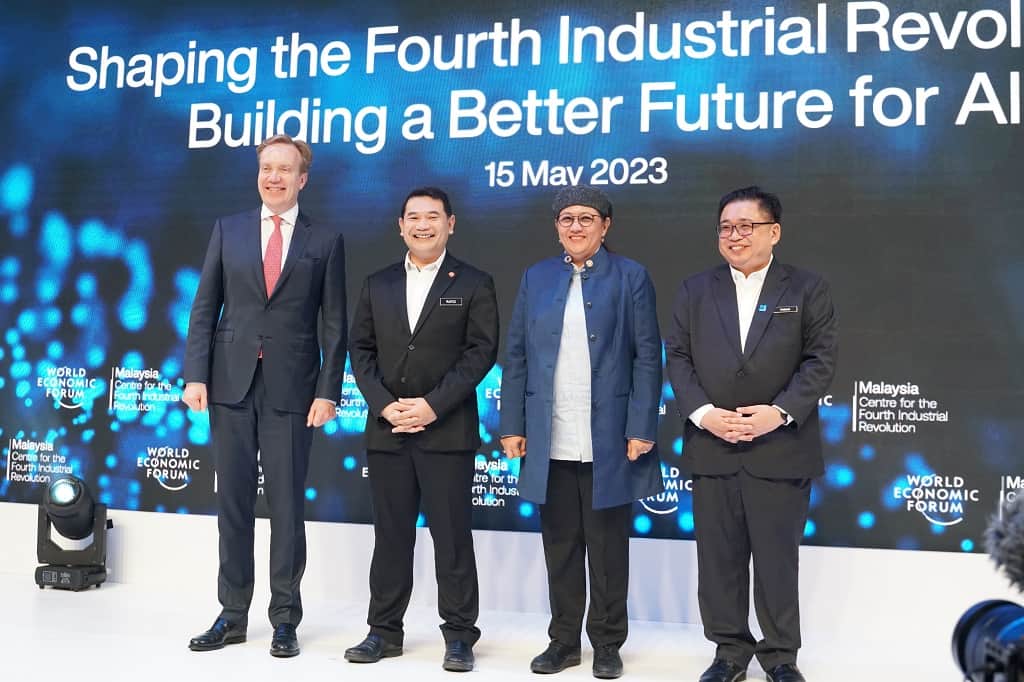
    The Centre for the Fourth Industrial Revolution Malaysia (Malaysia Centre for 4IR) was officially launched today by the Minister of Economy, Rafizi Ramli and the President of the World Economic Forum, Børge Brende.

    Malaysia Centre for 4IR will play a crucial role in driving the advancement of the digital economy in Malaysia, with a focus on supporting the country’s digital transformation and advancements in fast-growing sectors including green energy transition. The Centre will serve as a public-private platform, bringing together leaders from government, business, civil society, academia and other sectors to advance new partnerships and initiatives that can unlock the value of technology for Malaysia’s economy and society. The Centre is hosted by MyDIGITAL Corporation, a national initiative aimed at transforming Malaysia into a digitally-driven, high-income nation and a regional leader.

    This initiative marks a significant milestone in Malaysia’s journey towards becoming a global leader in technology governance and innovation. The Malaysia Centre for 4IR is the first Centre in the Asia-Pacific region as part of the World Economic Forum’s global Centre for 4IR Network. With this launch, Malaysia joins a community of 18 other Centres, where new and innovative approaches to technology governance, adoption and scaling are being developed and implemented at the national, regional and international levels.

    The Prime Minister of Malaysia, Anwar Ibrahim said in his pre-recorded opening speech, “Malaysia is honoured to be part of the global network of Centres for the Fourth Industrial Revolution with the first Centre for 4IR  in Southeast Asia. This is a testament to the critical value of Malaysia’s efforts to become an advanced, digitally-driven, high-income nation and a regional digital economy leader fostering innovation, entrepreneurship and collaborations between stakeholders. The Malaysia Centre for 4IR will further strengthen Malaysia’s human-centred policy towards the Fourth Industrial Revolution and contribute towards our target of entering the Top 20 in the Global Innovation Index. We are confident that a resilience-oriented approach will also improve the nation’s People’s Wellbeing Index score and enhance productivity to create inclusive, balanced, responsible and sustainable economic growth.”

    Addressing the leaders at the launch event, Børge Brende, President, World Economic Forum said: “Malaysia’s leadership in the region and commitment to driving the Fourth Industrial Revolution is commendable. Through the Centre for the Fourth Industrial Revolution Malaysia, we are excited to work together with the government, business, and civil society leaders to unlock the value of technology for the benefit of all Malaysians. This partnership will not only drive transformation but also help build a more sustainable, inclusive, and resilient future for Malaysia and the region.”

    Rafizi Ramli, Malaysia’s Minister of Economy said, “Today’s launch reflects a critical insight in Malaysia’s innovation journey: Innovation is a team sport and collaboration is essential. The economic case for innovation has become indisputable through the decades. The Malaysian Centre for 4IR shall act as a necessary impetus, starting with a dual focus of energy transition and digital transformation.”


    Following the official launch, the Centre hosted two roundtable discussions to address its thematic priorities, inviting leaders from business, government and other sectors to share their key priorities and opportunities for the energy transition and digital transformation. These insights will serve as the foundation for the Malaysia Centre for 4IR’s core initiatives, informing its strategic planning and program development.

    Fabian Bigar, CEO of MyDIGITAL said, “MyDIGITAL team is proud to be entrusted with the responsibility of making Centre for 4IR Malaysia a success in achieving its goals. Prior to this, we have been dedicating our efforts to driving quality growth in Malaysia’s digital economy guided by the Malaysia Digital Economy Blueprint and National 4IR Policy to spur Malaysia’s transformation into a high-tech nation by 2030. The establishment of the Centre for 4IR Malaysia aligns with and further fortifies our initiatives to catalyse homegrown technology development by enhancing collaborative opportunities among stakeholders to unlock value in 4IR technologies, with a focus on supporting the country’s energy transition and digital transformation.”

    From adoption to transformation to regional leadership, the Malaysia Centre for 4IR is a critical establishment that will help drive the country’s transition towards an advanced digital economy. By joining the global ecosystem of technology governance innovators and leaders, Malaysia Centre for 4IR is poised to contribute significantly to Malaysia’s economic and social development in the years to come.


    The World Economic Forum’s global Centre for 4IR network is a platform for multistakeholder collaboration, bringing together the public and private sectors to maximize technological benefits to society while minimizing the risks associated with 4IR technologies

    About MyDIGITAL Corporation

    MyDIGITAL Corporation was established on September 13, 2021, as an agency under the Ministry of Economy to drive and monitor the implementation of Malaysia Digital Economy Blueprint and the National 4IR Policy, as well as to promote the overall objectives of MyDIGITAL’s aspirations. MyDIGITAL is an initiative that symbolizes the government’s aspirations to transform Malaysia into a high-income nation that is digitally-driven and a regional leader in the digital economy. MyDIGITAL Corporation also serves as the secretariat to the National Digital Economy and 4IR Council (MED4IRN), chaired by YAB Prime Minister. MED4IRN is responsible for the leadership and policy direction of digital economy and 4IR-related policies.

  • Thomson Hospital Kota Damansara – First In Malaysia To Receive Australian Accreditation For Its Cancer Services

    Thomson Hospital Kota Damansara – First In Malaysia To Receive Australian Accreditation For Its Cancer Services

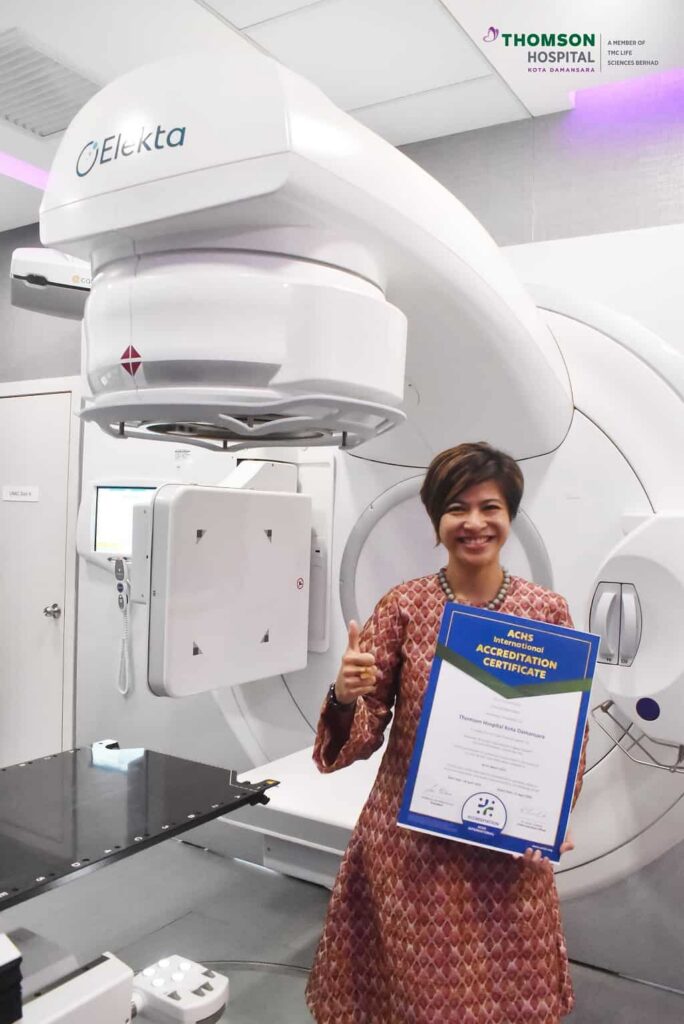
    Thomson Hospital Kota Damansara (THKD) has become the first hospital in Malaysia to receive accreditation for its Core and Ambulatory – Cancer Services under the Evaluation & Quality Improvement Programme (EQuIP7) from the Australian Council on Healthcare Standards (ACHS) International.

    This accreditation involves an internationally recognised evaluation process to assess and improve the quality, efficiency and effectiveness of healthcare organisations. The whole evaluation process on the hospital’s Oncology and Nuclear Medicine facility, its systems and processes were stringently managed by ACHS International’s team of experienced healthcare professionals facilitated by its licensed partner, GlobalHealth Quality and Innovation Accreditation (GHQIA). With the successful completion of audits, THKD’s cancer services proudly holds the EQuIP7 accreditation and ACHS membership for three years.

    ACHS International is the third oldest accreditation body in the world and has been at the forefront of developing healthcare standards and assisting healthcare providers to implement safe and quality healthcare in Australia and overseas for nearly 50 years.

    Nadiah Wan, Chief Executive Officer of Thomson Hospital Kota Damansara, expressed her delight in having achieved this milestone and was pleased with the team’s dedication to providing quality, compassionate cancer services to patients and customers, adding that the accreditation is a testament to the hospital’s commitment to continuous improvement and innovation. “I trust that being the first hospital in Malaysia to be conferred an accreditation for our Cancer Services will provide even greater peace of mind to our potential customers, patients, friends and family members when selecting a healthcare facility of choice for their treatment. We are committed to provide better service delivery, with improved outcomes and enhanced patient experience,” she further commented.

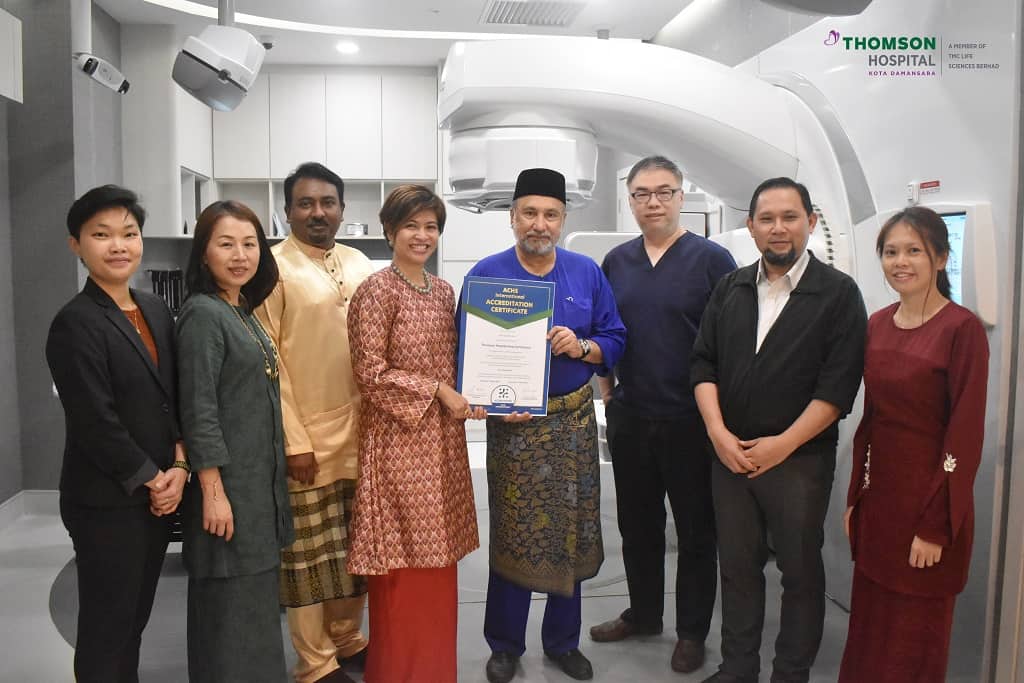
    Ms Nadiah Wan, Chief Executive Officer, Thomson Hospital Kota Damansara (THKD) holds the accreditation certificate representing THKD’s achievement of being the first hospital in Malaysia to receive accreditation for its Cancer Services under the Evaluation & Quality Improvement Programme (EQuIP7) from the Australian Council on Healthcare Standards (ACHS) International

    Thomson Hospital Kota Damansara is equipped with the latest and comprehensive Oncology and Nuclear Medicine facility which provides both diagnostic and therapeutic capabilities for cancer patients. Its oncology facility also proudly houses the Mediso AnyScan SPECT/CT/PET, the first Tri-modality nuclear medicine imaging equipment in the Asia Pacific region.

    “At Thomson Hospital, our promise to our patients is that we will walk with you on your road to recovery. We are confident that this accreditation by ACHS will give further assurance to our cancer patients through our cancer services. We are committed to providing our valued patients the best care throughout their cancer journey; from diagnosis to treatment and during recovery, and aim for better health outcomes through our cancer services,” said Dr. Tan Chih Kiang, Consultant Clinical Oncologist and Head of Clinical Oncology.

    Adding on, Dr. Zool Hilmi Bin Awang, Consultant Nuclear Medicine Physician and Head of Nuclear Medicine, said, “We are pleased to be one of the pioneers to offer this Mediso AnyScan SPECT/CT/PET. Thomson Hospital Kota Damansara is constantly innovating to provide the latest diagnostic and therapeutic services for their patients. Nuclear Medicine therapies such as Yittrium-90, Lutetium-177, Ac-225 and high dose I-131 Therapy are in the pipeline, while radiotherapy and radiosurgery services will be further sub-specialised into gynaecology, haematology and paediatric treatments. We also plan on collaborating with other healthcare institutions in Malaysia and other countries in making cancer therapies accessible to them.”

    Participating in accreditation processes demonstrates Thomson Hospital Kota Damansara’s commitment to a lifelong journey to attain continuous quality and safety improvements guided by rigorous international standards. ACHS International assessors are highly trained and come from healthcare organisations from Australia and around the world. The assessment process is conducted using the EQuIP Assessment Methodology which utilises a robust structure of cross-referencing, observation and information gathering.

    “Thomson Hospital Kota Damansara should be proud of this achievement and the ongoing commitment it has made to continuous quality improvement to provide safe healthcare services to its patients, staff, and community,” said Louise Cuskelly, Executive Director, ACHS International and Consulting.

    Also sharing his thoughts was Varun Panjwani, Group CEO of Global Health saying, “GHQIA partners on the quality improvement and accreditation readiness journey, selecting associates with a shared vision and dedication. We are thrilled to work with Thomson Hospital, where everyone embodies the spirit of excellence and exhibits a passion for their patients.”

    About Thomson Hospital Kota Damansara

    Established in 2008, Thomson Hospital Kota Damansara (THKD), is the flagship hospital of TMC Life Sciences Berhad (TMCLS) located in a prime alcove of Kota Damansara, Selangor. THKD is expected to grow to a 559-bedded hospital with additional specialist centres and an operating theatre as part of the Group’s expansion plan. THKD sets new standards in healthcare through comprehensive facilities and excellent service for both our local and international patients. The Hospital offers medical and surgical services from over 120 reputable specialist consultants covering more than 53 medical and surgical sub-specialties. For more information, please visit thomsonhospitals.com or follow THKD on social media platforms @thomsonhospitalKD.

  • Generali Malaysia Aims Higher Positioning Post Stake Acquisition Of AXA Affin General Insurance

    Generali Malaysia Aims Higher Positioning Post Stake Acquisition Of AXA Affin General Insurance

    Generali Group, one of the largest global insurance providers, recently launched Generali Malaysia following the acquisition of a controlling majority in AXA Affin joint ventures in Malaysia and 100% purchase of MPI Generali Insurans Berhad. The transaction valued the acquired companies at close to RM1.29 billion (EUR 262 million), making it one of the largest M&A transactions in Malaysia in recent years.

    On 1st April 2023, the businesses were integrated under a single, unified brand ― Generali Malaysia. The integration positions Generali Malaysia as one of the largest general insurers and emerging life insurer in Malaysia, broadening its edge in a competitive market.

    With its strong expertise in providing comprehensive protection solutions in all areas of general insurance – medical and health, motor and home, travel and personal accident, as well as business and commercial insurance, Generali Malaysia is committed to further expand its offerings and better cater to customers’ growing needs. With a focus on protection, medical coverage, savings, and legacy planning, its Life segment offers customers coverage needs for every stage of life.

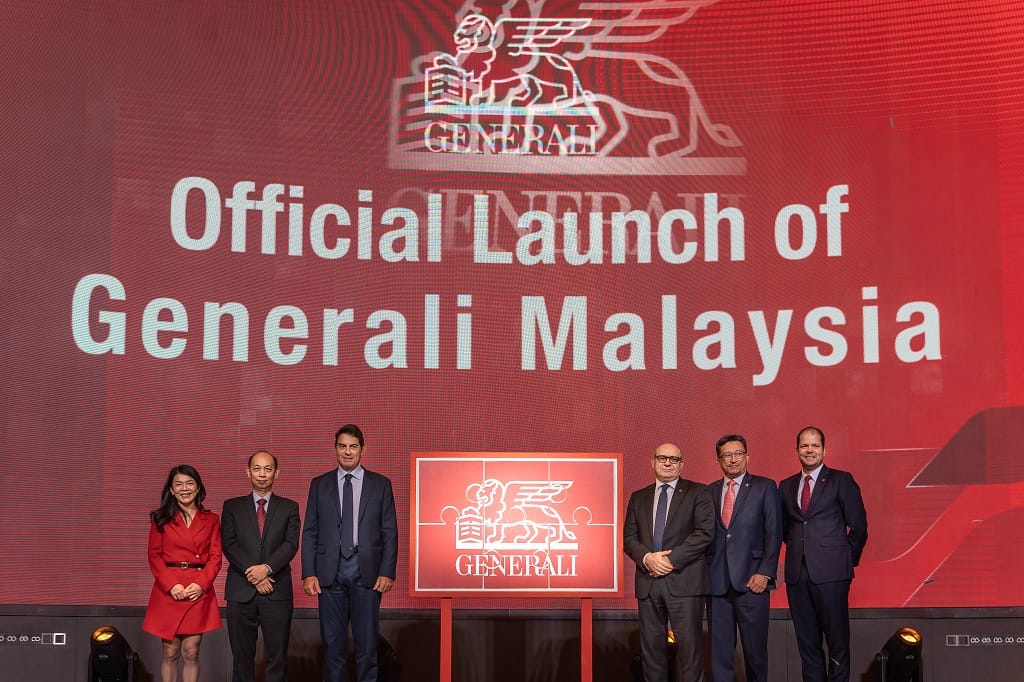
    (L-R) Rebecca Tan, CEO of Generali Life Insurance Malaysia Berhad, Raymond Fam Chye Soon, Chairman, Generali Insurance Malaysia Berhad, His Excellency Massimo Rustico, Ambassador of Italy in Malaysia, Roberto Leonardi, Generali International Asia Regional Officer, Abdul Malek Bin Mohamed Said, Chief Corporate Strategy Officer, Affin Bank Group, Fabrice Benard, CEO of Generali Insurance Malaysia Berhad & Country Head for Generali entities in Malaysia

    Jaime Anchustegui Melgarejo, CEO, Generali International commented, “This is a significant milestone for Generali in Malaysia and in the region. It highlights our commitment and dedication to Asia and the importance we place on Malaysia as one of the region’s high-potential growth markets.”

    Roberto Leonardi, Generali International Asia Regional Officer, commented thatAs a unified entity, we look forward to enhancing the Generali experience and becoming Lifetime Partners to our customers in Malaysia, as well as making a positive contribution to the communities in which we serve.”

    “The launch of Generali Malaysia is to create a unified, customer-focused brand that can provide  comprehensive insurance solutions across the full spectrum of products from general to life insurance. We aim to have a significant presence in the market and be one of the top general insurers in the country,” said Fabrice Benard, Chief Executive Officer, Generali Insurance Malaysia Bhd and Country Head for Generali Entities in Malaysia.

    The launch is fully aligned with Generali’s ‘Lifetime Partner 24: Driving Growth’ strategy to strengthen its leadership position in Malaysia ― a country with strong potential for growth with its economic development and current low-insurance penetration. Holding a strong vision for the future, Generali Malaysia hopes to play an active role in contributing to Malaysia’s economic growth and development.

    Supported by over 1,600 workforce, a wide distribution network of more than 9,000 agents, partners and distributors and 49 branches nationwide, Generali Malaysia is presented with the advantage of a larger market share in Malaysia which is further boosted with a broader range of products and services.

    “As an insurer with over 190 years of insurance heritage and experience, we strive to provide better experiences as a whole, by transforming our role to go beyond selling products and to provide more value-added, personalized service in line with our ‘Lifetime Partner 24: Driving Growth’ commitment,” Benard added.

    Rooted in Italy, Generali Group has a strong heritage and legacy of protection of more than 190 years. To date, Generali has presence in over 50 countries and a workforce of 82,000 employees serving 68 million customers. The Group has been active in Malaysia since 2015 when it acquired a 49% stake in Multi-Purpose Insurans Berhad – a P&C insurance subsidiary of Multi-Purpose Capital Holdings to create MPI Generali. In 2022, Generali acquired full ownership of the MPI Generali joint venture and purchased a controlling majority in AXA Affin General and Life Insurance in Malaysia. In 2023, Generali unfolded a new growth chapter with the launch of a single, unified brand Generali Malaysia ― one of the largest general insurers and emerging life insurer in Malaysia backed by over 1,600 employees, a wide distribution network of more than 9,000 agents and partners and 49 branches. 

    (L-R) Rebecca Tan, CEO of Generali Life Insurance Malaysia Berhad, Raymond Fam Chye Soon, Chairman, Generali Insurance Malaysia Berhad, His Excellency Massimo Rustico, Ambassador of Italy in Malaysia, Roberto Leonardi, Generali International Asia Regional Officer, Abdul Malek Bin Mohamed Said, Chief Corporate Strategy Officer, Affin Bank Group, Fabrice Benard, CEO of Generali Insurance Malaysia Berhad & Country Head for Generali entities in Malaysia

    ABOUT GENERALI MALAYSIA

    Generali Group is one of the largest global insurance providers with more than 190 years of heritage. The Group has been active in Malaysia since 2015 when it acquired a 49% stake in Multi-Purpose Insurans Berhad – a P&C insurance subsidiary of Multi-Purpose Capital Holdings to create MPI Generali. In 2022, Generali acquired full ownership of the MPI Generali joint venture and purchased a controlling majority in AXA Affin General and Life Insurance in Malaysia.

    In 2023, Generali unfolded a new growth chapter with the launch of a single, unified brand Generali Malaysia ― one of the largest general insurers and emerging life insurer in Malaysia backed by over 1,600 employees, a wide distribution network of more than 9,000 agents and partners and 49 branches.

    Now with an expanded scale, breadth, and expertise, Generali Malaysia strives to further its ambition of being a trusted Lifetime Partner and a progressive insurer that safeguards the needs of Malaysians and their future generations.

    THE GENERALI GROUP

    Generali is one of the largest global insurance and asset management providers. Established in 1831, it is present in over 50 countries in the world, with a total premium income of € 81.5 billion in 2022. With 82,000 employees serving 68 million customers, the Group has a leading position in Europe and a growing presence in Asia and Latin America. At the heart of Generali’s strategy is its Lifetime Partner commitment to customers, achieved through innovative and personalised solutions, best-in-class customer experience and its digitalised global distribution capabilities. The Group has fully embedded sustainability into all strategic choices, with the aim to create value for all stakeholders while building a fairer and more resilient society.

  • Empowering Women Leaders In The Workplace

    Empowering Women Leaders In The Workplace

    A report by the Securities Commission Malaysia (SC) shows that the number of women holding board positions in the private sector stood at 29% as of 31
    December 2022. Meanwhile, according to the Women, Family and Community Development Minister Datuk Seri Nancy Shukri, in the public sector, over 38.2%
    of women were at decision-making levels professionally, holding senior-level positions in the JUSA (Jawatan Utama Sektor Awam) category.

    Smart Investor contacted Michelle Johnson, general manager of marketing and product development of Niro Ceramic Group (NCG), one of the female figures on NCG’s board of leaders. She talks to us about the insights on the importance of equal opportunity in the workplace and what companies can do to create more opportunities for women to excel in their careers.

    Michelle Johnson, general manager of marketing and product development, Niro Ceramic Group

    Smart Investor: As a successful woman in a leadership position, what challenges have you faced in your career, and how did you overcome them?

    Michelle Johnson: As the chief of marketing at NCG, I’ve learnt that being adaptable and flexible is paramount to staying a step ahead of the marketing landscape for the tile industry. Managing a growing team of marketing professionals with varying skill sets and personalities can certainly raise a few roadblocks. However, as a leader, I’ve found that camaraderie and effective communication helps to build a strong foundation for an agile team.

    SI: How can companies create a more diverse and inclusive workplace for women, particularly in a male-dominated industry?

    MJ: Creating a more diverse and inclusive workplace for women in a male-dominated industry requires sustained efforts and a commitment to change. For a start, companies should nurture a strong culture of inclusivity internally. This means fostering a safe and welcoming environment that empowers employees to express their ideas, opinions, and concerns freely.

    SI: What role do you think women leaders play in driving innovation and growth within a company?

    MJ: Women leaders can bring diverse perspectives and experiences to the table, which helps drive innovation and creative problem-solving. With more diverse leadership, companies will have a more comprehensive understanding of their market and meet the needs of a broader range of customers and stakeholders to drive innovation and growth within a company.

    SI: In your opinion, what qualities are essential for success in a leadership role?

    MJ: Throughout my career, I’ve found that the quality of being inspiring is vital for success. To lead is to inspire and motivate the people around me to realise their potential and achieve greater things. I strive to inspire by setting a good example, providing actionable feedback and recognition, and nurturing a positive and inclusive work environment.

    Besides that, I also find that being visionary is the key to a successful leadership role. As a leader, having a very clear vision for the future of your organisation helps materialise sizable growth opportunities. Having the ability to conceptualise and communicate that vision effectively is incredibly important.

    SI: Can you tell us about a time when you had to make a difficult decision as a leader and how you navigated that situation?

    MJ: As a leader, my guiding principles are honesty and integrity. These values help me make coherent decisions, even when challenging or uncomfortable. I have consistently demonstrated these values to those above me, my peers, and those under my leadership. By upholding these principles, I have earned the respect of those around me, and I remain committed to maintaining these values in all my actions and interactions.

    SI: What advice would you give young women just starting their careers in marketing and product development?

    MJ: Be curious and stay up-to-date with the latest industry trends. The marketing and product development fields are ever-changing for most industries. Always have the drive to learn new things by keeping up with the latest industry movements. You can start by always having a pulse on the market movements and developments by reading industry publications, attending industry events and networking with other industry professionals.

    Identify and harness your strengths and focus on refining them further. It could be your eye for analytics or your creativity. Focusing on your strengths will help propel your career trajectory and stand out, especially in a saturated landscape.

  • Winds Of Change In The Malaysian Education Sector

    Winds Of Change In The Malaysian Education Sector

    Millennials and Gen Zs are increasingly becoming the main players in the economy. They are the future of our country, but these younger generations face challenges that have never been experienced before.

    On the education side, did you know that 390,000 out of 560,000 SPM candidates opted to join the workforce immediately after the exam, while the remaining 170,000 students were interested in continuing their studies?

    This goes to show that the Malaysian education sector is taking a back seat. Instead, they are eager to earn money as fast as they can and as much as they can.

    With that in mind, Smart Investor spoke to Dr Sanjay Sarma, the new CEO, president, and dean of Asia School of Business (ASB), to get his insights on his plans at ASB and about the youths.

    Dr Sanjay Sarma, CEO, president, and dean of Asia School of Business (ASB)

    Read: Budgeting Is So Yesterday: Here’s 3 Intelligent Approaches to Financial Management for Youths

    Smart Investor: Congratulations on your appointment as the CEO, President, and Dean of the Asia School of Business. What makes you join this prestigious organization

    Dr Sanjay Sarma: Thank you! Several reasons. First, the previous deans, the staff, and the students have built an amazing platform. Second, Malaysia is, in my view, a geopolitical epicenter, given everything happening in supply chains, sustainability, innovation, and energy systems.

    Third, Malaysian education sector will transform in the coming years for many reasons: the growth of online education, the growth of micro-credentials, the emergence of artificial intelligence, and the changes in how we work. With all this, ASB is a unique platform from across the world from which to embrace the future.

    SI: What do you plan to achieve during your time here? And what are some of the ideas that you want to push through?

    DSS: The points above set the direction. First, I want to double down on a central tenet of ASB: a pedagogy based on action, which we call action-learning. This pedagogy extends to how we deliver materials (we don’t deliver typical ‘lectures’), how classes become studios, and how we engage with the real world.

    Second, ASEAN is a fascinating case study in progress with a diversity of all kinds. This includes cultural, economic, geopolitical, biological, and social forms — and our research-oriented faculty continue to deliver great insights on all fronts. I want to expand that.

    Third, I would like to increase our focus on the education of working professionals. I believe that the Malaysian education sector cannot end with a degree. At MIT, we called it agile, continuous education. I would like to embrace that mantra — something the School has already made great strides in — and expand it greatly.

    Read: Building A Safer Digital Future For Youth Of Tomorrow

    SI: How do you see Malaysia’s education compared to its peers in the region?

    DSS: What can be done to improve the situation further? I am of the belief that the way we educate has to change quite fundamentally. The rise of tools such as ChatGPT means we need a new class of graduates who can outperform technology.

    Education worldwide — Malaysia, China, India, and the US — is not prepared for these challenges. And it needs to evolve and evolve rapidly. We need problem solvers, critical thinkers, and doers to solve the problems we are leaving for the next generation.

    SI: With AI gaining traction (ChatGPT as an example), it opens up many possibilities. Instead of asking Google, we can ask AI and get a comprehensive answer. What will this mean to the future of the Malaysian education sector?

    DSS: Well, it vividly points out the pole star we should shoot for. What are the things that AI and robotics, and other technologies cannot do that we should be preparing our graduates for? Of course, if we prepare robots, we cannot lament the loss of jobs to robots.

    But the human mind is boundless. We must break the curricula we have trapped ourselves in — often remnants of the colonial era — and create people who can provide the creativity, ethical frameworks, and inspiration to take on the rising inventory of challenges.

    This might all seem like empty inspirational talk, but our students at ASB have convinced me that we have this potential. And at events we have hosted, such as the International Women’s Day and the Leadership for Enterprise Sustainability Asia (LESA) Conference, we saw precisely the sort of role models we could aspire for.

    Read: Syed Saddiq: 3 Powerful Tips For The Youths In Malaysia

    SI: How do you see the importance of education in today’s youth? Are they still interested in furthering their studies?

    DSS: I have never met a young person disinterested in learning. Curiosity is the most fundamental aspect of learning and is impossible to extinguish. I have, however, met many people who are disaffected with how we teach. That’s a different matter; as I said earlier, we need to fix that urgently.

    That was true before COVID, climate change concerns, and ChatGPT. It is even more urgent today. As mentioned, at ASB, we are all about action – and I believe classrooms need a more engaging, thought-provoking nature for the next generation to be prepared.

    SI: What are the different ways of making money today compared to the ’90s and 2000s? Is higher education still necessary to be making a decent living these days?

    DSS: The last century saw the growth of corporations — scale was achieved through size. Now we are seeing the rise of the gig economy. Moreover, more and more approaches to generating income are technology and innovation-driven. Just ask a taxi cab medallion owner from a decade ago who did not see Uber coming.

    Subscription models are another trend — services are more and more subscription-driven, whether it is Amazon Prime or Netflix. Living and thriving in this world requires mental agility. Education — done right — is one way to ensure that. You can no longer assume you will be employed for life and live in a company town.

    You have to become the CEO of your own life. In many ways, the MBA is about that too. (Ergo, ASB).

    Read: 5 Instagram Finance Influencer Accounts to Follow

    SI: In your opinion, what’s the major concern on their minds? (unemployment, low salary, high cost of education, the high price of a property, etc)

    DSS: All of the above, but we also see a much greater emphasis on social, and indeed planetary, good. I recommend reading about the Ubuntu philosophy: “I am because we are.”

    Young people are similar to young people a generation ago, with one key difference — a sense of the collective good.

    SI: What are your thoughts on YOLO (you only live once) and the financial independence, retire early (FIRE) movement that is hugely popular with the youths?

    DSS: We live in an era of unicorns. That drives this partly. But unicorns are mythical creatures, and the valuations of some of these unicorns have been mythical too. How can a young person who lives in this era not be tempted? I don’t blame them, though I don’t recommend it.

    It’s no different from buying lottery tickets today; these young people must bet everything in that YOLO moment. It is up to educational professionals to draw them back into reason and away from betting their lives away.

    Read: ICMR Research Series: Understanding Millennial And Gen Z Investors In Malaysia

    SI: Are the youths of today more financially savvy? And where do they normally invest?

    I don’t believe they are more or less than a generation ago. It’s just the opportunities are different. They live in a far stormier sea and are often likely to bet on extremes (swing for the fence, as Americans might say). Crypto is an example.

    Again, it comes down to educators to fix the Malaysian education sector so that our youth enter the next decade prepared to take on the challenges we are leaving them.

    SI: Any advice to the youths out there facing the future?

    DSS: Money chases intelligence, not impulsiveness, and luck sides the brave, not the reckless. Education can help you find the dividing lines.

    We would like to wish Dr Sanjay Sarma and ASB all the best!

    Read: ICMR Research Series: How Millennial And Gen Z Malaysians Are Getting Information On Finance And Investments

  • Emerging Regional Insurtech, Policystreet Records Exponential Growth In FY22

    Emerging Regional Insurtech, Policystreet Records Exponential Growth In FY22

    PolicyStreet, an emerging regional insurtech company, has recorded exponential growth in FY22, with its topline growing by five times compared to the previous financial year (FY21) and attaining sum insured of more than USD 6 billion.

    Despite the challenging business environment in FY22, PolicyStreet has continued to innovate and deliver tailor-made insurance products and services to its customers. Growing its topline by 500% compared to the previous financial year is a testament to its commitment to technology advancements and its ability to adapt to changing market conditions affected by the rising cost of living and threats of a global recession.

    “We pride ourselves in understanding and addressing the unique challenges faced by our customers during these uncertain times, and our success is a testament to our agility and customer-centric approach. With over six years of operational excellence, we’ve amassed a sizable customer base and established ourselves as a rising star in the insurtech industry,” says Lee Yen Ming, Co-founder and Chief Executive Officer of PolicyStreet.

    Lee Yen Ming, Co-founder and Chief Executive Officer of PolicyStreet

    The increase of PolicyStreet’s sum insured to over USD 6 billion is attributed to the company’s unwavering commitment to making insurance Purposeful and Simple for consumers and businesses.

    PolicyStreet’s strong performance has been fueled by its ability to provide tailored insurance products that meet the specific needs of its customers. The insurtech company has identified and served underserved market segments by leveraging technology and industry expertise.

    Since obtaining the Reinsurer and General Insurer license from the Labuan Financial Services Authority (LFSA) in 2021, PolicyStreet has been the reinsurer in its partnerships with onshore insurers, enabling the launch of innovative insurance solutions.

    The key insurance solutions that drove the positive financial performance include the Digital HR Solution and the Gig Worker’s Claims Platform in collaboration with p-hailing service providers. The two innovative insurtech solutions cater to the underserved and growing gig and digital economy within Southeast Asia, which is expected to reach up to USD 1 trillion by 2030.

    “Stakeholders within the digital economies are drivers of the region’s growth, yet they are the most at risk for financial instability. Gig workers are not offered employee benefits due to their freelancing status. In contrast, employees within SMEs can often fall through the cracks due to the lack of access to Group Medical Insurance for SMEs.

    “We aim to continue serving the underserved within this market segment, ensuring the gig and digital economy is sustainable in the long run through embedded insurance and the development of insurance platforms. We believe the insurance industry is ripe for disruption, and we are proud to be at the forefront of this transformation,” says Yen Ming.

    PolicyStreet is committed to providing inclusive insurance solutions and remaining competitive in its insurance offerings by continuing to leverage its capabilities as a regional full-stack insurtech company.

    “By tapping into our underwriting and tech development capabilities to expand our partnership network with leading industry brands and protect more underserved communities, we are confident that we will register strong growth this financial year (FY23) compared to FY22,” says Yen Ming.

    The insurtech company specialises in creating effective embedded insurance solutions that address the pain points of both consumers and businesses while incorporating its in-house tech capabilities and strategic partnerships with industry leaders.  PolicyStreet is poised for continued success in the years to come and is confident in its ability to deliver value to its customers and stakeholders.

    For more information about PolicyStreet and its innovative insurance solutions, please visit https://www.policystreet.com/.

    PolicyStreet Co-founders

    About PolicyStreet 

    PolicyStreet is a regional full-stack insurance technology (insurtech) group of companies providing cutting-edge digital insurance solutions to businesses and consumers in Southeast Asia and Australia.

    PolicyStreet works directly with over 40 life, general, and takaful providers globally to offer a comprehensive range of products and services, which includes but is not limited to embedded insurance, customised employee benefits, financial advisory and aggregation of insurance, as well as the development of digital solutions to make insurance purposeful and simple for businesses and consumers.

    As a licensed Reinsurer and General Insurer by the Labuan Financial Services Authority (LFSA), an approved Financial Adviser and Islamic Financial Adviser by Bank Negara Malaysia (BNM), and a licensee of the Australian Financial Services License by the Australian Securities and Investments Commission (ASIC), PolicyStreet is able to underwrite, customise policies, and provide unbiased advice to its clients and partners worldwide.

    Through its regional group of companies, it serves over 5 million customers with over US$ 6 billion in sum insured. In 2022, it was named as one of the 100 Leading Emerging Giants in the Asia Pacific by KPMG and HSBC and was recognised at the Top in Tech Innovation Awards 2022 for Most Value Creation. It was also awarded the Young Entrepreneurs’ Award in 2020 by ASEAN Business Advisory Council (ASEAN-BAC).

  • The Global ReSkilling Movement: Creating A Better World Where Everyone Has Easy Access To Quality Education

    The Global ReSkilling Movement: Creating A Better World Where Everyone Has Easy Access To Quality Education

    Global ReSkilling Movement (GRM), is an initiative aimed towards creating educational opportunities that help individuals around the world upskill and reskill themselves. Advances in technology and automation are constantly reshaping the world, and it’s getting increasingly difficult for employees to remain competitive in the workforce. In Malaysia alone, up to 60,000 people may lose their jobs this year, with retrenchments expected to hit multiple sectors in the country. Globally, the situation is even more dire.

    Its mission is to equip 100 million individuals worldwide with quality education, to help them unlock their full potential and transform their lives for a better future. By providing reskilling and upskilling support, the GRM will work towards creating a powerful global pathway towards sustainable economic growth and a better future, with supported individuals up to 10 times less likely to drop out of work and thrive in their careers.

    Chief Global Initiator of the Global ReSkilling Movement, Jin Tan, sharing his vision for a better future with quality education

    “The McKinsey Global Institute estimates that as many as 375 million workers will have to switch occupations or acquire new skills by 2030 due to artificial intelligence and automation. Research from the World Economic Forum also suggests that if the current pace of workforce upskilling doesn’t pick up, it could take decades for future employees to be ready for the future of work,” said GRM Chief Global Initiator Jin Tan.

    “The ability to adapt to new technologies and work environments is becoming increasingly important as the pace of change accelerates. It is a critical component of staying competitive in today’s rapidly evolving job market, and a key factor of long-term career success.”

    GRM hopes to improve the global employment landscape with the help of generous sponsors around the world. Contributions from sponsors will be converted into digital learning accounts that focus on career and technical skills education, which will be distributed to individuals in need of improving their lives.

    YBHG Datuk Azhar Muhammad D.S.S.A, J.P., Chairman of the Global ReSkilling Movement, sharing about the importance of accessible education in his speech

    “Mastering skill areas such as digital literacy, critical thinking, cross-cultural communication, adaptability, and an entrepreneurial mindset, are necessary for any individual aiming for a position of success in the global marketplace. GRM’s mission is to ensure that the process of self-development is as easy and straightforward for everyone as possible,” said GRM Chairman Datuk Azhar Muhammad.

    GRM Organizing Chairlady Aimi Salma said the increasingly competitive nature of today’s employment landscape meant workers could not solely rely on technical knowledge to thrive in their careers.

    GRM Malaysia Organising Chairlady, Aimi Salma, delivering her speech for the launch

    “Technical competency is important, but it is not enough for individuals to thrive in their careers. The workplace is constantly changing, and individuals need to be able to learn new skills when necessary,” she said.

    The GRM is built on the foundation of three pillars:

    Quality Education: The GRM believes education should incorporate the latest learning trends, promote critical thinking and problem-solving skills, and encourage lifelong learning. Its mission is to equip individuals with the knowledge and skills they need to succeed in the modern world.

    Accessible Learning: The GRM believes that learning opportunities should be accessible to everyone, regardless of their financial or social status. It aims to provide education designed to meet the needs of underprivileged individuals who may face barriers to learning.

    Increasing Jobs and Boosting Economic Growth: The GRM aims to address the skills gap by providing education programs that align with the demands of the modern job market. By doing so, it can bridge the gap between job seekers and employers, promote career learning and innovation, and contribute to economic growth and development.

    Its mission is to equip 100 million individuals worldwide with quality education, to help them unlock their full potential and transform their lives for a better future. By providing reskilling and upskilling support, the GRM will work towards creating a powerful global pathway towards sustainable economic growth and a better future, with supported individuals up to 10 times less likely to drop out of work and thrive in their careers.

    “With just a small gift of hope, you can transform lives and invest in our future. Together, we can create a more skilled and prosperous society for all,” said Tan.

    To learn more on GRM, please visit www.grm.today today.

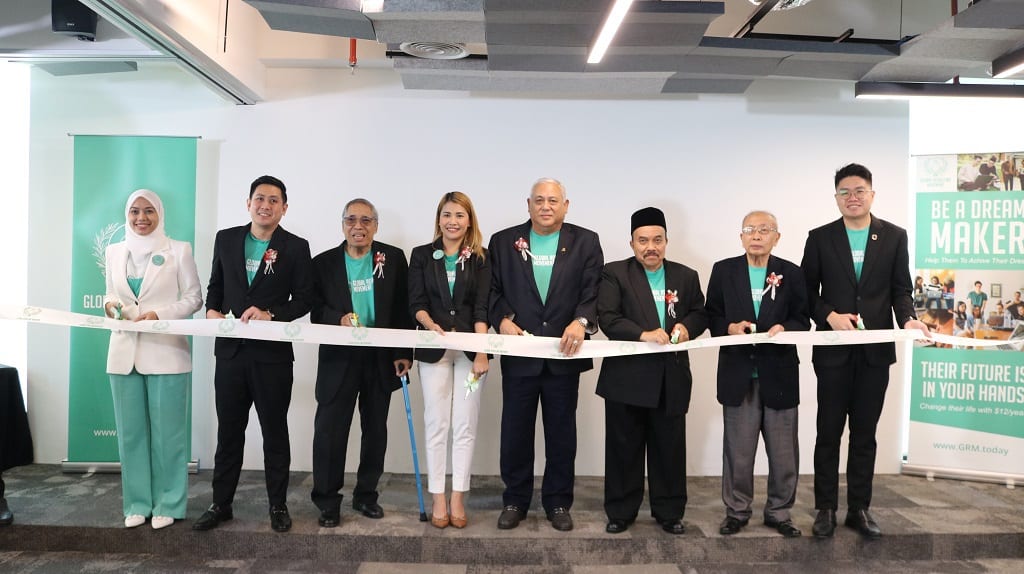
    Group photo of all guests who attended the official launch and press conference of the Global ReSkilling Movement at ReSkills Hub

    About Global ReSkilling Movement

    The Global Reskilling Movement (GRM) is an initiative aimed at achieving a better world by providing complimentary education to aspiring learners. For more information, visit their website at https://grm.today/

  • ‘Transparency Score of Malaysia’s Foundations’ Launched By Wiki Impact To Foster Accountability & Trust In The Third Sector

    ‘Transparency Score of Malaysia’s Foundations’ Launched By Wiki Impact To Foster Accountability & Trust In The Third Sector

    In today’s society, transparency has become an essential aspect of any industry, including the third sector. This is especially true for non-profits, as transparency plays a critical role in building trust and credibility with their stakeholders.

    The ‘Transparency Score Of Malaysia’s Foundations’ developed by Wiki Impact aims to highlight Malaysia’s foundations that overcommunicate and build a shared public narrative to encourage others to do the same. The comprehensive rating system evaluates the transparency, frequency, and credibility of communications made by 1,567 registered foundations to the public.

    Based on the rating system, Wiki Impact reviewed publicly-available data, information, and reports to assess the transparency of the foundations based on four key main criteria including publicly-available financial reports, publicly-available impact reports, a current and active website, and an updated social media presence.

    Why Is This Report Necessary?

    The expectation of trust from the public in non-profits is growing and many are evaluating them based on publicly available information. Terence Ooi, Co-founder of Wiki Impact says that “By providing open and honest communication about their operations, financials, and impact, non-profits can assure their donors, beneficiaries, and the public that they are accountable and committed to achieving their mission.”

    Apart from that, transparency helps prevent the misuse of funds, promotes ethical practices, and ensures that non-profits are fulfilling their social responsibility. Ultimately, transparency strengthens the credibility and reputation of non-profits, leading to increased support and a positive impact on the community.

    “Our report provides clarity for donors to be more informed about foundations that they are supporting or may potentially support. When you are informed accurately, generosity grows,” Ooi added.

    “It is important to note that under current laws, foundations are not required to disclose their annual, financial, and impact reports publicly. Also, they are not required to publicly disclose their board of directors, financial statements or amounts disbursed. In contrast, this report seeks to recognize foundations that over-communicate and develop a shared public narrative. By doing so, we hope foundations will be more inclined to communicate the good work they do,” said Ooi.

    Report Findings

    The report rated 1,567 foundations in Malaysia based on their transparency scorecard, with 32 foundations receiving a minimum A rating, indicating a score of 75% or above. These foundations have publicly available information about their programs and financials and have provided information about their trustees or board on their website. They also regularly update their social media accounts.

    Among the foundations with high transparency scores are WWF Malaysia, TFM Foundation, Yayasan Hasanah, Yayasan Sejahtera, Arba International Waqf (L) Foundation, MyKasih Foundation, Yayasan Selangor, and YTL Foundation.

    The report also shows that half of the foundations in Malaysia achieved a transparency score of only 10%, indicating that they do not have publicly available information about their programs and financials, or information about their trustees or board on their website.

    Other interesting findings include:

    • Almost half the number of foundations were located in the Klang Valley area, with 25.27% in Kuala Lumpur and 20.17% in Selangor.
    • Education is the most focused cause, with 251 foundations working to improve education in Malaysia, while Animals Welfare was the least focused area, with only 3 foundations.
    • In terms of digital presence, 37% of foundations do not have a published website. Only 28% of foundations posted an update on their social media within the past 3 months since Feb 2023, while 131 foundations have not posted an update for over a year.
    • The report also highlights that only 2.94% of 1,567 foundations released an Impact Report within the past 5 years (since 2017), and only 31 (2.3%) foundations have ever published a financial report publicly.

    “The strength of this report lies in its independence, which helps remove layers of impartiality. Our report is not funded by any foundations or for-profit companies. A team of independent volunteer fact-checkers reviewed the work prior to publication, and all data was sourced from publicly available sources,” added Ooi.

    Wiki Impact hopes that the “Transparency Score of Malaysia’s Foundations” report will encourage more foundations to communicate openly because transparency is no longer an option but a necessity for non-profits to succeed in their endeavours.

    Visit “Transparency Score Of Malaysia’s Foundations” to see the full report and detailed transparency scores of the 1,567 foundations.

    ABOUT WIKI IMPACT

    Wiki Impact is a research and communications hub focused on Malaysia’s impact-driven work and social issues. We create social impact through compelling data and evidence-based stories that inspire, inform, invoke emotion and invite participation and conversation. Wiki Impact serves changemakers by highlighting and amplifying their work via impact news, announcements and job postings.

  • Empowering Gen Z To Work Effectively For Your Organization

    Empowering Gen Z To Work Effectively For Your Organization

    Generation Z is becoming an increasingly influential group to the ever evolving 21st century workforce. What truly motivates this cohort ranging between 18-24 years old to actively participate in their workplace? How do organizations keep them happy and motivated? These are some of the questions that arise when we zero into empowering Gen Z workers.

    Having just stepped into corporate life, they are now at crossroads as they find themselves struggling to adapt to the demands of remote work. According to research, over 33% said that working from home has adversely affected their work life balance and suggest that companies provide necessary tools for them to be more efficient in performing remote work.

    Unlike millennials and baby boomers, they are motivated by an empowering work culture (29.4%), growth potential (28.2%), benefit packages (11.6%), high salary and raises (15.3% as well as personal relationships with co-workers (15.55%).

    Many in fact, prioritize the well being of their mental health, with 82% citing they want mental health days which is a foreign concept to many HR practitioners. 73% cite that they in fact feel alone when it comes to remote work.

    Which is where, as we adapt to the hybrid work era, corporations and employers must decide if setting strict guidelines on when and where employees can work or providing true flexibility and autonomy is the best way to engage and motivate employees. Especially with more Generation Z cohorts joining the workforce and preferring the latter, reports PwC’s Global Workforce Hopes and Fears Survey 2022.

    Therefore, in order to truly maintain the hybrid working balance, here are some suggestions to navigate Mondays to Fridays to allow a balance of both autonomy but also retain some semblance of flexibility.

    Meet-Up Mondays

    Try kick starting the week with a collaborative team meet-up on Mondays, this can definitely be done virtually or otherwise. Success in hybrid work means rethinking collaboration, and according to a recent

    McKinsey study, good workplace performance and higher employee job satisfaction are experienced by companies that prioritize collaborative and communicative environments.

    A Jabra study reveals that collaborative technology, according to 84% of knowledge workers worldwide, will result in a workforce that is more meeting equity friendly.

    Collaboration means giving your employees a voice to show what they are capable of bringing to the table, so remember to not shut them out.

    Traveling Tuesdays

    It’s Tuesday, and employees might be feeling the Tuesday blues already. Terribly long and squeezy commutes to the office for instance may cause stress and anxiety, compared to those who undergo shorter commutes or no commutes at all, according to a report fro[1] m the U.K.’s Office of National Statistics.

    The survey findings of a McKinsey study show that more than half of the workers expressed their desire for their companies to implement a more adaptable hybrid virtual working arrangement.

    In order to ensure that the hybrid experience is consistent throughout the company, regardless of where they are working, 68% of employees worldwide preferred that their employer supplied them with standardized, professional technology instead of forking out their own money for it.

    According to Jabra’s research, 68% of employees preferred if they were outfitted with standardized, professional technology. The Jabra Evolve2 Series is one such device that keeps employees connected and productive with world class audio engineering.

    Wireless noise-canceling audio devices like the Jabra Evolve2 Series will enable employees to maximize their hybrid workspace options without sacrificing productivity.

    Third Space Wednesdays

    As trust between employees, and supervisors grows, more individuals are beginning to work from locations that prove to be most convenient for them. The cafe, on the bus, while waiting for your laundry to be done, or even in your car, working from anywhere you pleased could be an absolute dream given the right tools to turn any space into a productive workplace.

    Prioritizing your mental health and wellbeing comes up top on the list in ensuring that you are able to contribute effectively despite the setting you work from. According to a report from McKinsey, burnout continues to be a recurring effect when it comes to hybrid work with claims from over 49% of employees globally.

    So try generating a workspace that energizes your employees and yourself as well as invest in good audio and video technology that will enable a productive third-space working.

    Focus Thursdays

    While working from home, the office or in a public space, background noises such as colleagues chattering, slamming doors, pots clanking in the kitchen, and so on—can distract employees.

    Distraction may probably be due to the fact that one is half-focused. Try accomplishing one thing at a time and not overwhelm yourself with multiple tasks all at once.

    An effective way to do this is to basically organize them according to top priority. According to a Harvard Business School review, creating a to-do list enables you to recollect tasks in hand that are needed to be accomplished and this eases the stress of having to manually remember them. So go ahead and incorporate colors or checkboxes just to make the process more fun. Additionally, using online sticky notes or google task bars can work just as well.

    Home Fridays

    Who doesn’t love Fridays? While still working on a hybrid mode, employees might turn down their moodiness a notch since it’s basically the start of the weekend. But despite that ‘TGIF’ feeling, there may still be a long list of back-to-back conference calls and team meetings to attend to.

    According to a global survey of executives, employee experience experts, and knowledge workers, about 76% expected an increased use of video meetings as a result of the Covid-19 pandemic. Understandably, since teams do not get to see one another face-to-face during hybrid working, the best way possible to ensure connectivity and engagement is definitely to switch on the video camera.

    Therefore, using the right tools to make sure we always look and feel our best is essential, and built-in cameras on our phones and laptops won’t be enough for a more long-term hybrid working arrangement.

    According to research, 73% of Gen Z have cited they feel lonely while working remotely. This is where balancing workdays as well as premium video conferencing equipment such as The Panacast 20, enables them to feel included and represented during meetings. 

    More than ever, leaders must now embrace flexibility, by not only allowing employees to do so but also enabling them to.

    Seeing how more Generation Z natives are entering the workforce, the need to grow accustomed to the hybrid work ways is important. Therefore gradually empowering them through technology that could produce greater engagement and better retention is the way to go.

    By Agnes Koh, Regional Product Marketing Manager, APAC, Jabra.

    About Jabra

    Jabra is a world leading brand in audio, video, and collaboration solutions – engineered to empower consumers and businesses. Proudly part of the GN Group, we are committed to bringing people closer to one another or to whatever is important to them. Jabra engineering excellence leads the way, building on 150 years of pioneering work within GN. This allows us to create integrated tools for contact centers, offices, and collaboration to help professionals work more productively from anywhere; and true wireless headphones and earbuds that let consumers better enjoy calls, music, and media. GN, founded in 1869, operates in 100 countries and delivers innovation, reliability, and ease of use. GN employs more than 7,500 people and in 2022 reported annual revenue of DKK 18.7bn. GN Audio accounts for DKK 12.5bn.

    GN brings people closer and is Nasdaq Copenhagen listed. www.jabra.com