Category: Uncategorized

  • BURSA MALAYSIA CLIMATE WEEK 2024 FOCUSES ON SUSTAINABLE FINANCE AND EDUCATION

    BURSA MALAYSIA CLIMATE WEEK 2024 FOCUSES ON SUSTAINABLE FINANCE AND EDUCATION

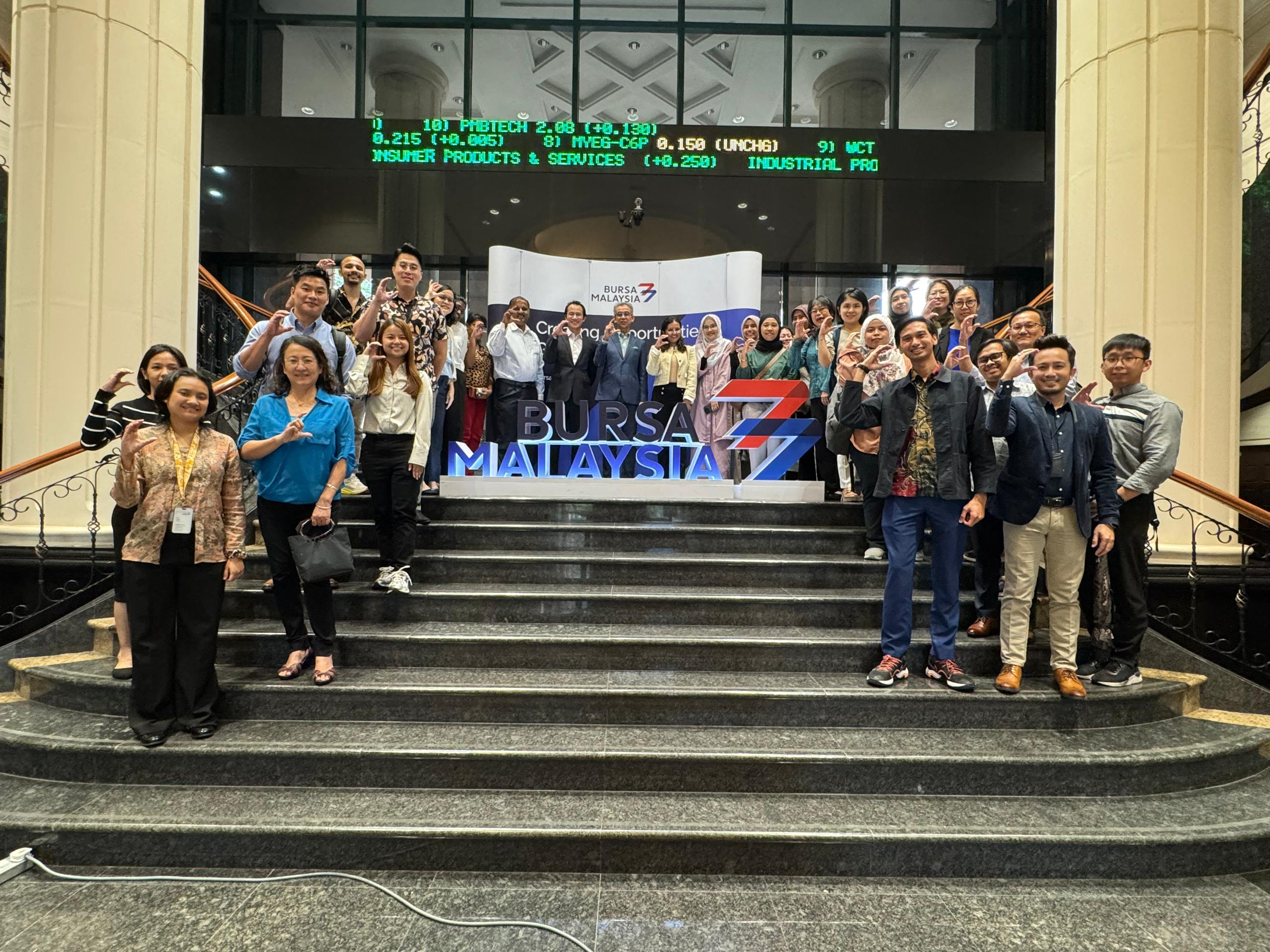
    Kuala Lumpur, 13 November 2024 – Bursa Malaysia Berhad (“Bursa Malaysia” or “The Exchange”) recently concluded its inaugural Climate Week, held from 4 to 8 November 20240F1. Themed “From Aspiration to Action: Unlocking Green Financing,” the event aimed to create greater awareness and engage various stakeholders on sustainability-related matters, underscoring Bursa Malaysia’s commitment to advance sustainable development.

    The curated events commenced with the symbolic “Ring the Bell for Climate” ceremony1F2 where exchanges around the globe demonstrate their united dedication to combat climate crisis and advance sustainability efforts. This opening act initiated a series of panel discussions, workshops, and community activities over the course of the week, aimed at enhancing understanding and discourse around sustainable finance and sustainability practices.

    The Climate Week engaged a diverse audience of over 1,700 attendees comprising industry leaders, public listed companies (“PLCs”), startups, consulting firms, and the general public. Key highlights from the week include:

    1. Launch of the Corporate Sustainability Practitioner (“CSP”) Competency Framework 2.0: Bursa Malaysia in collaboration with the United Nations Global Compact Network Malaysia & Brunei (“UNGCMYB”), launched the CSP Framework 2.0 on 7 November 2024 during the GO ESG Symposium 2024. This enhanced framework builds on the first version released in 2021, to enhance sustainability competencies across corporate roles, aiming to empower professionals with skills to navigate the complexities of Environmental, Social and Governance (“ESG”) requirements. To learn more about the CSP Framework 2.0, visit https://bursasustain.bursamalaysia.com/competency-framework

    2. IFRS Sustainability Disclosure Standards Workshop: In partnership with the United Nations Sustainable Stock Exchanges Initiative (“UN SSE”), International Finance Corporation (“IFC”), International Financial Reporting Standards (“IFRS”) Foundation, and Policy, Assumptions, Calculators, and Education (“PACE”), this virtual workshop addressed the critical need for standardised sustainability reporting, coinciding with the nationwide adoption of the recently launched National Sustainability Reporting Framework (“NSRF”)3F4. The workshop aimed to provide PLCs with knowledge needed to comply with IFRS S1 and S2 disclosure standards.

    3. MYCentre4IR ESG Innovation Challenge 2024: In collaboration with the Malaysia Centre for Fourth Industrial Revolution (“MYCentre4IR”), the conclusion of the Challenge saw five local and international startups awarded with bridge funding, to further develop their ESG-focused digital solutions, for potential future adoption by participating Malaysian PLCs. The Challenge drew over 100 submissions from entrepreneurs across 30 countries, leveraging UpLink, the World Economic Forum’s innovation platform.

    4. Sustainability-themed Panel Discussions: With topics ranging from ‘Transition Finance for Supply Chain Companies’ to ‘Shaping Sustainability Leadership: Skills, Mindsets, and the Role of Education’, the panels provided a platform for thought leadership and practical insights to integrate sustainability into business strategies.

    5. Community and Educational Engagements: Provided Bursa Malaysia staff and school children with deeper understanding of sustainability matters, via interactive activities like community gardening and climate games.

    Datuk Muhamad Umar Swift, Chief Executive officer of Bursa Malaysia acknowledged the wide support and interest, stating, “We extend our appreciation to the diverse group of partners and participants for contributing to the success of our inaugural Climate Week. Such initiatives are part of the Exchange’s efforts to foster a sustainable future by driving collaboration, innovation, and the adoption of robust ESG practices in the marketplace. Together, we are building a more sustainable and resilient marketplace that balances economic growth with ESG progress.”


  • inDrive Expands Financing with General Catalyst to US$300 Million to Fuel Growth and Innovation

    inDrive Expands Financing with General Catalyst to US$300 Million to Fuel Growth and Innovation

    inDrive, a prominent global mobility and urban services platform headquartered in Mountain View, California, USA, has announced a significant expansion in its financing partnership with venture capital firm General Catalyst, securing an additional US$150 million to bring the total funding to US$300 million. This extension, which may be further prolonged for another year, provides inDrive with enhanced financial flexibility to bolster growth initiatives, invest in product enhancements, diversify service offerings and penetrate new markets.

    This financing milestone follows a prosperous year for inDrive, marked by a remarkable 54% surge in net revenue throughout 2023. The company’s consistent growth trajectory and strategic utilisation of adaptable financing mechanisms underscore its commitment to sustainable scalability.

    Dmitry Sedov, Chief Financial Officer at inDrive, emphasised the significance of this financial backing, stating, “Securing this financing from General Catalyst empowers us to continue our rapid growth and innovation while maintaining a strong financial position and financial flexibility. This financial structure is designed to support our ambitious plans without introducing additional risk to our operations.”

    Pranav Singhvi, Managing Director of General Catalyst, echoed this sentiment, expressing enthusiasm for supporting inDrive’s expansion into new markets. He said, “As long-time partners of inDrive, we are excited to help them continue to scale their growth and set the company up for success as they enter new markets. We are enthusiastic about supporting a business with a robust mission that positively impacts communities globally.”

    The inDrive app has been downloaded over 200 million times and was the second most downloaded mobility app in both 2022 and 2023. In addition to ride-hailing, inDrive provides an expanding list of urban services, including intercity transportation, freight delivery, task assistance, courier, and B2B delivery. Last year, inDrive successfully navigated regulatory requirements in Malaysia, obtaining the business mediation license (LPP) from the Land Public Transport Agency (APAD). The company announced that it had resolved all matters concerning the LPP, essential for the official operation of ride-hailing services in Malaysia.

    Operating in 749 cities across 46 countries, inDrive supports local communities through its peer-to-peer pricing model and community empowerment programmes, which advance education, sports, arts and sciences, gender equality, and other vital initiatives.

    With this fresh injection of funds, inDrive is primed for further expansion in 2024. The strategic financial support will facilitate the expansion of service offerings and the reinforcement of its global presence, all while upholding its core mission of challenging social injustice and promoting equitable access to mobility services.


  • Investment Strategies for a Rosy Portfolio

    Investment Strategies for a Rosy Portfolio

    As the financial landscape of 2024 unfolds with global uncertainties, explore strategic investment insights for building a resilient portfolio in the face of market volatility and opportunities.

    As we embark on the journey through 2024, investors are met with a landscape brimming with both opportunities and challenges. With a record number of elections globally, including the pivotal November US elections, and a backdrop of geopolitical tensions and lingering pandemic concerns, the year ahead promises to be one of volatility. However, amid this uncertainty, there are strategies investors can employ to build resilient portfolios and capitalise on market opportunities.

    Strategic Asset Allocation
    One of the cornerstones of building a resilient portfolio is strategic asset allocation. This involves distributing investments across different asset classes, such as equities, bonds, cash and cash equivalents, property and alternative investments, in a manner that aligns with one’s risk tolerance, investment goals and time horizon.

    In 2024, amid the potential for geopolitical tensions and economic uncertainty, diversification across asset classes will become even more crucial. By spreading investments across various assets, investors can mitigate the impact of any single event or market downturn on their overall portfolio. For instance, while stocks may offer growth potential, fixed income can provide stability during times of market volatility, while alternative investments with a negative correlation to equities can help reduce overall portfolio risk and volatility.

    Smart Diversification
    Diversification within asset classes is equally important. Within the stock portion of a portfolio, for example, investors should consider diversifying across sectors, industries and geographic regions. This can help reduce the risk of concentrated exposure to any one sector or region-specific event.
    Furthermore, alternative investments such as real estate, commodities and cryptocurrencies can offer additional diversification benefits. These assets often have low correlations with traditional stocks and bonds, providing a hedge against market downturns and inflationary pressures.

    Ringgit Cost Averaging
    In times of market volatility, emotions can run high, leading investors to make impulsive decisions that may not align with their long-term goals. Ringgit cost averaging (RCA) offers a disciplined approach to investing that can help mitigate the impact of market fluctuations.

    With RCA, investors commit to investing a fixed amount of money at regular intervals, regardless of market conditions. This strategy allows investors to buy more when prices are low and fewer when prices are high, ultimately lowering the average cost over time.

    Investing Beyond Borders
    Investors are encouraged to venture beyond their home country for investment opportunities, recognising the risks associated with concentrating investments in a single region. Global diversification provides access to a broader range of opportunities, potentially capitalising on faster-growing economies and emerging industries.

    This approach also serves as a risk management strategy, helping to mitigate the impact of currency fluctuations and geopolitical events that may affect a specific market.

    In 2024, promising investment prospects can be found in countries such as the United States, Japan, Taiwan and South Korea. The United States stands out for its diverse economy, innovative companies, and robust financial market, making it a crucial element in many global investment portfolios.

    Japan, despite facing economic challenges and an ageing population, remains a leader in technology and manufacturing, with opportunities in sectors like robotics, healthcare, and renewable energy. Taiwan and South Korea, home to world-leading technology firms, particularly in semiconductors, present appealing growth opportunities.

    Diversifying across these geographies enables investors to tap into diverse industries, currencies, and economic cycles, enhancing portfolio resilience and potentially boosting returns.

    Riding the Commodities Wave
    In 2024, commodities are likely to shine, driven by a confluence of factors including supply chain disruptions, inflationary pressures and increased demand from emerging markets. The stage is set for a commodities supercycle, with metals, energies and agriculture expected to lead the charge.
    Investors can capitalise on this trend by allocating a portion of their portfolios to commodities or commodity-related assets. These assets can serve as a hedge against inflation and provide diversification benefits during periods of market uncertainty.

    Unlocking Crypto Potential
    The crypto market continues to evolve rapidly, presenting both opportunities and risks for investors. The approval of spot bitcoin ETFs in January 2024 by the US Securities and Exchange Commission (SEC) marks a significant milestone for the industry, signalling growing acceptance and mainstream adoption.
    Additionally, the Bitcoin halving event, which occurs approximately every four years and reduces the rate at which new bitcoins are created, has historically been associated with price appreciation. While cryptocurrencies remain volatile and speculative assets, they can offer diversification benefits for investors with a high-risk tolerance and a long-term investment horizon.

    Another new development in Malaysia is staking approval by Malaysia’s Securities Commission (SC), allowing crypto using a proof-of-stake concept like Ethereum to be staked and being rewarded with additional crypto for helping to validate the blockchain.

    Tapping into REITs
    Real Estate Investment Trusts (REITs) have faced headwinds in recent years due to factors such as interest rate hikes and stagnating market prices. However, for investors with a long-term perspective, REITs can still play a valuable role in a diversified portfolio, offering steady dividends while looking forward to the next property market recovery cycle.

    REITs offer exposure to income-generating real estate assets such as commercial properties, residential complexes and infrastructure projects, including logistic hubs and data centres. Despite short-term challenges, REITs can provide stable cash flows, inflation protection and potential capital appreciation over the long term.

    Building a resilient investment portfolio requires careful planning, diversification and a disciplined approach to investing. By following these strategies and staying attuned to market trends, investors can navigate the opportunities and challenges of 2024 with confidence and build a foundation for long-term financial success.

    ABOUT THE WRITER
    Stephen Yong is an Executive Director at Wealth Vantage Advisory, driving strategic growth. He also actively promotes financial literacy to help Malaysians simplify and grow towards financial freedom.

  • Tax Exemptions Breathe Life into Unit Trusts

    Tax Exemptions Breathe Life into Unit Trusts

    In an exclusive interview, Federation of Investment Managers Malaysia (FIMM) CEO, Kaleon Leong, shares insights on how the tax exemptions will benefit unit trust investors and strengthen Malaysia’s investment landscape.

    The recent decision by the Ministry of Finance to grant exemptions from Capital Gains Tax (CGT) and Foreign-Sourced Income (FSI) Tax for the unit trust industry has been welcomed as a boost for Malaysia’s investment landscape. In this exclusive interview, Kaleon Leong, CEO of Federation of Investment Managers Malaysia (FIMM), provides insightful commentary on how these tax exemptions will benefit over 13 million-unit trust investors, especially those approaching retirement age.

    He explains the pivotal role unit trusts have played in democratising investing since the 1990s, fostering inclusivity and accessibility across income segments. Leong also shares his perspective on how the exemptions will positively influence short- and long-term capital market trends, support economic recovery post-pandemic and enable savvy investors to optimise their retirement nest eggs. Overall, this decision cements unit trust as a reputable investment vehicle, providing Malaysian investors with an affordable path to grow their wealth tax-free.

    Kaleon Leong, CEO of Federation of Investment Managers Malaysia

    SmartInvestor (SI): How do you foresee the recent decision to grant exemptions from Capital Gains Tax (CGT) and Foreign-Sourced Income (FSI) Tax impacting the overall investment landscape, particularly within the unit trust industry?

    Kaleon Leong (KL): Firstly, on behalf of the unit trust industry, we are very grateful to the Ministry of Finance (MOF) for granting exemptions on Capital Gains Tax (CGT) and Foreign-Sourced Income (FSI) Tax. As full details on these exemptions are still pending (at the time of this interview), my comments here are fueled by optimism that the impending legislation will give the unit trust industry the necessary impetus to generate higher yields for its unitholders.

    To put things into perspective, the unit trust industry has been a significant component and contributor to the Malaysian capital market since the 1990s, with a present industry Net Asset Value (NAV) of more than RM500 billion[1].

    The unit trust industry have been directly contributing to the liquidity of the capital markets and adding diversity to the sources of funds with investments in equities, bonds, sukuks and fixed-income markets, which channels additional capital for investment into Malaysia’s various economic sectors.

    The imposition of CGT and FSI Tax would have had a sizeable impact not only on the unit trust industry but also on the wider Malaysian capital market as it was foreseeable that a large portion of investors would have exited the unit trust industry given the impact on their returns from the application of CGT and FSI Tax in an already challenging global economic environment coupled with inflation. If the CGT and FSI tax prevailed, huge redemption pressures will force fund managers to liquidate unit trust funds’ assets in the shortest time possible, causing the capital market to be more volatile than usual.

    Additionally, there would have been a lower take-up rate by fund managers for new bonds, sukuks, debentures and any other unlisted instruments. This will impact the financing needs of companies, (including government-linked companies (GLCs)).

    At an individual investor level, where CGT and FSI taxes had been imposed on the unit trust industry, it would have adversely impacted more than 500 funds and 13 million unitholders, of which over 90% are individuals.

    SI: Considering the decision is expected to have a positive impact on over 13 million-unit trust investors, especially pensioners and those approaching retirement age, how might the newly granted tax exemptions influence their investment behaviour and decision-making?

    KL: The announcement is timely and helpful to this group of investors as they seek to replenish their retirement savings, especially after the pandemic. Hence, this should further increase investor confidence.

    To provide some context on the size of this investor group, based on the FIMM 2022 Investment Management Survey, it was found that in 2021, a total of 47% (8.3 million) of Unit Trust investors are either in the pre-retirement phase, i.e., 46 to 55 years old (3.0 million), or are in the retired phase, i.e., 56 years old and above (5.3 million)[2].

    SI: In your opinion, how have unit trust funds contributed to the capital market since the 90s, and what role have they played in fostering inclusivity and accessibility for investors across diverse income segments?

    KL: The 90’s were a significant period of growth for the unit trust industry. The centralisation of industry regulation, with the establishment of the Securities Commission on 1 March 1993, coupled with the implementation of the Securities Commission (Unit Trust Scheme) Regulations in 1996, resulted in even greater awareness of the unit trust industry and contributed to its tremendous growth during the period[3].

    Today, the unit trust industry has grown by leaps and bounds, from a NAV of RM28 billion in the 90s to exceeding RM500 billion[4]

    A key role of the unit trust industry is fostering inclusivity and accessibility for investors across diverse income segments. Unit trusts enable people of all walks of life to invest in a variety of unit trust funds, with some having a low minimum entry investment amount and subsequent investments.

    This relatively low barrier to entry opens the possibility for a diverse range of potential investors to participate in the capital market while simultaneously gaining from the additional benefits of having an investment professional manage their portfolio, accompanied by better diversification and risk management.

    SI: How do you anticipate the capital market to react to this news, both in terms of short-term market dynamics and potential long-term trends?

    KL: While the details of the exemptions granted are yet to be announced (at the time of this interview), we anticipate optimism about unit trust funds as a reputable and highly regulated investment product by the Securities Commission Malaysia (SC).

    In short-term market dynamics, the resolution of these tax concerns and the accompanying operational challenges will allow fund management companies to focus on delivering their core responsibilities of generating returns for unitholders.

    We envisage that in the longer-term trends, investors will continue to set aside their savings to invest in unit trust as an investment vehicle where they will not only reap the benefits of long-term investment returns but also a peace of mind.

    SI: Given that the tax exemptions also apply to those investing through their Employees Provident Fund (EPF) savings, how might this influence the investment strategies of individuals who utilise their EPF funds for unit trust investments?

    KL: The unit trust industry is very cognisant of investors who choose to contribute part of their EPF savings towards investing in unit trusts. The investors are entrusting the industry with a portion of their retirement nest egg, which underscores the need for careful attention on the part of the industry. As a result, the funds that are green-lit for investments via EPF savings must have a 3-year track record and undergo a rigorous selection and approval process.

    As it stands, investors investing through their EPF savings may decide to further diversify their portfolio into other asset classes through unit trusts to maximise their returns and grow their retirement nest egg.

    SI: Post-pandemic, individuals are diligently replenishing their depleted savings. How do you see the investment industry contributing to the broader economic recovery efforts?

    KL: These may be challenging times, but this is where the unit trust industry can help Malaysians replenish their savings. Through unit trust funds, Malaysians have the opportunity to invest a part of their savings into a portfolio of pooled investments managed by investment professionals. Should they decide to invest directly themselves, they may not have the same access to investment opportunities and diversification that a unit trust offers. This also includes economies of scale from the pooled investments in a unit trust which reduces the cost of investing as a whole.

    In 2021, the Securities Commission launched the Capital Market Masterplan 3, or CMP3. Within the CMP3, it was addressed that, in the post- pandemic era, there would be a period of recovery in economic growth. It was emphasised that two critical parts of Malaysia’s economic growth moving forward, which the capital market can enable, are the structural upgrade of the economy and the redefining of the retirement savings landscape[5].

    Both parts can indeed be contributed by the unit trust industry as it plays a role in channelling investors savings to the sectors of the economy that need support. For the retirement landscape, the unit trust industry serves as a move towards channelling retirement savings towards potentially higher-yielding portfolios, resulting in greater savings for retirement.

    SI: With the newly granted tax exemptions, what advice would you give to individual investors, especially those approaching retirement age, in terms of optimising their unit trust investments for tax-free returns?

    KL: The tax exemptions were granted in recognition of the importance of the unit trust industry towards both the Malaysian capital market and providing an avenue for individual investors to save and invest their hard-earned money. As a matter of fact, it was the realisation that most investors in Unit Trust are individuals (over 90%), which proved critical in the MOF’s decision to grant the tax exemptions.

    It is important to diversify your investments. Deposits help, but inflation erodes savings. Unit trusts are established with the goal of helping individual investors preserve their savings by providing a hedge against inflation.

    For individuals approaching retirement age, it is important to take stock of their financial situation and consider more income-generating investments.

    Sources

    1. Securities Commission Malaysia: Summary of Statistics – Unit Trust Funds for 2023.
    2. FIMM Investment Management Survey. Date: November 2022.
    3. FIMM Website: History of Unit Trust Schemes and Private Retirement Schemes in Malaysia (UTS History – FIMM).
    4. Securities Commission Malaysia: Summary of Statistics – Unit Trust Funds for 2023.
    5. Securities Commission Malaysia: Capital Market Masterplan 3. Date: 21 September 2021.


  • Uncovering Asset Gems: 2024 Morningstar Awards for Investing Excellence – Malaysia

    Uncovering Asset Gems: 2024 Morningstar Awards for Investing Excellence – Malaysia

    In this exclusive interview, Morningstar’s newly appointed Managing Director for Southeast Asia, Shihan Abeyguna, discusses how the awards have underpinned investment excellence in Malaysia, Morningstar’s growth plans for Southeast Asia, and the company’s diverse range of products and services.

    As investors navigate 2024’s mixed market conditions, insights from research powerhouse Morningstar are more valuable than ever. In a wide-ranging interview, newly appointed Managing Director Shihan Abeyguna provides an in-depth look at key trends shaping Malaysia’s asset management industry, Morningstar’s growth strategies for Southeast Asia and the company’s diverse product and service offerings designed to empower investors.

    Discussing 2023’s Malaysian fund award winners, Abeyguna highlights exemplary funds that succeeded despite last year’s lacklustre domestic equities. He also examines broader asset management trends including sustainability, alternative, global diversification and personalisation.

    Detailing plans to expand Morningstar’s data and research coverage, Abeyguna emphasises the company’s commitment to equipping investors and institutions to build holistic, customised portfolios aligned with financial objectives and personal values.

    Shihan Abeyguna
    Managing Director, Southeast Asia, Morningstar

    SmartInvestor (SI): Tell us more about this year’s winners in Malaysia and how Morningstar assessed their investment approaches.

    Shihan Abeyguna (SA): Our approach to recognising excellence in fund management is multifaceted, focusing not just on past achievements but also on future potential. This holistic methodology involves analysing risk-adjusted returns with a qualitative overlay to gauge a fund’s ability to serve investors’ best interests going forward.

    Quantitatively, we assess both recent and medium-term performance for each fund. A winning fund must have ranked in the top half of its peer group in 2023 as well as posted strong results for investors over the past three years. Qualitatively, we conduct checks on the accessibility of each fund to local retail investors and lead management stability, among other factors.

    The winners of this year’s awards in Malaysia demonstrated exceptional skill in navigating the market conditions of 2023. Malaysian equities faced a challenging 2023, but our domestic equity fund winners prevailed.

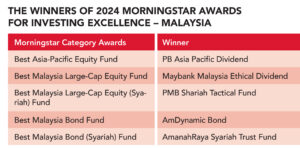
    Malaysian large-cap equity category winner Maybank Malaysia Ethical Dividend and Malaysia large-cap equity (Shariah) category winner PMB Shariah Tactical, for example, benefitted from overweight positions in information technology, the best-performing sector domestically in 2023. Notably, the PMB fund returned a whopping 24% (in MYR terms) in 2023. Meanwhile, Asia Pacific equity category winner PB Asia Pacific Dividend was overweight in financials and energy, which benefitted from stylistic tailwinds as value sectors outperformed in the region.

    The Malaysian bond market exhibited greater resilience in 2023, and our winning fixed income funds provided extra cushioning for investors amid equity market fluctuations. Malaysia bond category award winner AmDynamic Bond gained 8.3%, ranking in the fifth percentile of peers in 2023. AmanahRaya Unit Trust, meanwhile, gained 5.5% and won the Malaysia Bond (Shariah) category for the fourth consecutive year.

    SI: Following the recognition of this year’s award winners, could you discuss the key trends currently shaping the asset management industry in Malaysia?

    SA: Last year marked a remarkable rebound for the global financial markets, a turnaround from the gloom of 2022. Morningstar’s Global Market Index delivered over 20% in 2023, but this is just an aggregate picture. The regional performance for Asia was mixed. There were positive performances from markets like Japan, Korea, and India and underperformance in China, Hong Kong and Thailand. Malaysia’s market showed minimal movement in 2023.

    Even though the overall markets did well last year, investors were sitting on the sidelines. This is supported by our fund flow data, where most fund flows in 2023 went into money markets and fixed income products. This risk off sentiment was no surprise considering the turbulent markets in 2022 and the higher yields.

    In terms of trends, a few I would like to highlight are sustainability, alternatives, global diversification and personalisation. On sustainability, even though we have seen tempered flows into broad based ESG products, we have seen a steady increase in fund flows into climate solutions. Asia accounts for more than 50% of global greenhouse gas emissions, and I believe there will be continued emphasis on the ‘E’ part of ESG led by institutional investors. On alternatives, with the continued convergence of public and private markets, private equity and credit will serve as important diversifiers in investor portfolios.

    Considering the muted performance of Malaysian markets, I believe investors will continue to demand globally diversified portfolios from asset managers. No trend discussion is complete without addressing the impact of technology and generative AI. The recent developments in technology will only accelerate investment solutions to be more personalised, not only to deliver financial outcomes but also to incorporate investor preferences and values.

    SI: As the newly appointed Managing Director for Southeast Asia, what are your plans to grow Morningstar’s presence here?

    SA: One of our primary strategies for this region is to meet the needs of the evolving investors’ portfolios, whether it is global access or varied investment vehicles. Morningstar has built its brand by providing insights on unit trusts, but over time we have expanded our data and research sets so that we can provide deeper insights on multiple asset types such as equities, ETFs, fixed income, structured products and alternatives.

    We will continue to add or partner with third party data providers to expand our data sets so that investors can holistically analyse their portfolios. Our goal is to be an enabler with independent research and insights for institutions to personalise investor portfolios.

    Even though we saw a reduction in global fund flows into ESG products in 2023, it is no less popular with investors who have taken the time to understand ESG. We believe in this secular trend because the need is clear. Large amounts of private capital are needed to mitigate and adapt to man-made externalities. Morningstar Sustainalytics is an elite brand in the ESG research space among academics and institutional investors. Our plan is to continue to innovate and provide leading ESG investor insights to capital allocators in the region.

    There were multiple factors that led to the growth of private markets after the financial crisis. The growth may have slowed with increased yields, but private equity has held up well. We have also seen an increase in private credit, with traditional lenders looking to de-risk their balance sheets. Pitchbook, a Morningstar company and a leading provider of data and research on private markets, has recently set up Singapore as its Asia headquarters to serve the needs of the region.

    SI: How does Morningstar assist investors in identifying and selecting the right fund managers while also guiding them on the significance of staying invested rather than trying to time the market perfectly?

    SA: Our research demonstrates the pitfalls of attempting to time the market, primarily the risk of missing out on the market’s best days, which can significantly impact long-term returns. Instead, we advocate for a disciplined approach to investing, focusing on long-term objectives rather than short-term market fluctuations.

    We have both quantitative and qualitative research to help investors identify fund managers who can beat their peers. For quantitative metrics, one of the primary indicators that we provide is the Star Ratings, which are based on risk-adjusted performance rankings for similar funds. We also have over 110 research analysts who qualitatively evaluate the funds based on factors such as fees, the fund’s investment process, the portfolio management team, risk management practices and the overall investment strategy.

    Morningstar also provides educational resources and research articles to help investors understand the principles of successful long-term investing. Through articles, videos, webinars and podcasts, Morningstar educates investors about the benefits of staying invested over the long term and the pitfalls of attempting to time the market.

    SI: Morningstar is known for its diverse products and services, including Mo, PitchBook and Sustainalytics. How can these support investors here, and what role do you envision them playing in the region’s evolving financial landscape?

    SA: Our range of products and services is designed to cater to a wide spectrum of investors, addressing varying objectives, experience levels and interests in specific assets or sectors. For instance, Mo, Morningstar’s AI-powered digital research assistant, harnesses the Morningstar Intelligence Engine to make our equity research, managed investment research and editorial content readily accessible. This tool is particularly invaluable for investors looking to navigate the vast amounts of information available and make informed decisions quickly.

    As the financial landscape in Southeast Asia evolves, tools like Mo, along with insights from the Morningstar suite like PitchBook and Sustainalytics, will play a pivotal role. They empower investors to build diversified portfolios across asset classes that not only align with their risk tolerance and investment goals but also allow them to personalise portfolios based on investor preferences or value.

    Methodology: The Morningstar fund category awards are based on Morningstar fund data as of 31 December 2023. The awards methodology emphasises the one-year period, but funds must also have delivered strong three-year returns after adjusting for risk within the award peer groups in order to obtain an award. In selecting winners, fund returns are adjusted for risk using the Morningstar Risk, a measure which imposes a higher penalty for downside variation in a fund’s return than it does for upside volatility.

  • Ravi Vamathevan: Connecting Migrants, Changing Lives – The Valyou Sdn Bhd Story


    In the dynamic world of telecommunications, where giants and pioneers battle for supremacy, there are a few visionaries who stand apart. Among them is Ravi Vamathevan, the charismatic CEO of Valyou Sdn Bhd, whose journey through the industry is nothing short of legendary. As we delve into the fascinating story of Ravi and Valyou, we discover the inspiring tale of a man who not only founded Malaysia’s pioneering telco but also changed the lives of millions of migrants along the way. Valyou is a wholly owned subsidiary of Merchantrade Sdn Bhd, that now drives the MVNO business since transfer in 2022.


    The Birth of Inclusive Telco services: Connecting Migrants with Dreams

    Imagine leaving your homeland behind in search of better opportunities, only to find yourself miles away from family and friends, disconnected from the world you once knew. This is a reality for millions of migrants in Malaysia, a country known as one of the largest migrant-receiving nations in Southeast Asia.

    In 2003, Ravi and his co-founder, Ramasamy K. Veeran, embarked on a journey that changed the telecommunication landscape in Malaysia. Their vision started off with the procurement of an Application Service Providers (ASP) license, which paved the way for Merchantrade’s entry into the telecommunications market. In just two short years, from 2003 to 2005, they established approximately 5,000 nationwide shops known as ‘Warong Talipon’ allowing customers to make voice calls.

    Subsequently, Merchantrade Mobile emerged, offering affordable prepaid SIM cards, data, and calls. By 2007, the company became Malaysia’s first Mobile Virtual Network Operator (MVNO) under Celcom (now known as CelcomDigi).

    A Blue Ocean Strategy: Venturing into an Untapped Market

    In a highly competitive telco landscape dominated by industry giants like DiGi, Celcom (now Celcom and Digi have merged and known as CelcomDigi), Maxis and U Mobile, Ravi embarked on a unique journey, showcasing sharp market acumen and a profound understanding of industry dynamics. They discerned an opportunity within a rapidly expanding market that no other telco had dared to explore.

    At a time when Malaysia’s economy was witnessing a significant influx of migrant workers and stood out as a country in the Asia Pacific region with a high ratio of migrants to the total population in 2008, this vast underserved segment remained largely ignored by the telecom giants. However, Merchantrade possessed the foresight to recognize the immense potential hidden within this untapped segment. The strategic move by Ravi was a striking departure from the industry norm, driven by their entrepreneurial-thinking, and foresight led them to become the pioneers in this segment.

    In 2015, they reached a significant milestone by achieving a subscriber base of 1 million customers. Ravi’s determination to provide connectivity to underserved migrants had borne fruit and the decision to focus on a niche segment proved to be a success. In 2015 to 2016, the company was at the peak of its glory days.

    Ravi Vamathevan: A Telecom Titan’s Journey

    Ravi’s extensive experience in the telecommunications industry played a pivotal role in Valyou’s success. With 30 years of telecom expertise, his journey began with Maxis (formerly known as Binariang Sdn. Bhd) during its startup phase. Ravi was instrumental in launching Maxis’ international gateway business, which was once valued higher than the mobile business. He also secured Maxis’ first interconnect agreement.

    Thereafter, Ravi ventured to the United States, joining Pacific Gateway Exchange Inc., a Nasdaq-listed company based in San Francisco. He then moved on to iBasis, a pioneering VoIP company, where he served as the Director of the South East Asia region.

    In 2014, Ravi returned to the company with renewed vigour, focusing on its growth. His extensive background in telecommunications and leadership in the VoIP sector laid the foundation for Merchantrade’s venture into the VoIP business. His journey from a startup to leading Valyou showcases his indomitable leadership and commitment to making a difference.

    Ravi’s passion for startups, entrepreneurship, and leadership is truly remarkable. Throughout his illustrious career, he has demonstrated an uncanny ability to spot opportunities, challenge the status quo, and transform innovative ideas into thriving businesses.

    Navigating the Storm: Long term business growth vs. short-term gains

    Merchantrade Mobile’s venture into the migrant segment proved highly profitable. In 2017, as the Malaysian customer base reached saturation, larger competitors began to penetrate the migrant segment, triggering aggressive price wars.

    These competitors, leveraging their substantial financial resources, entered the market with an aggressive approach to acquire customers and gain market share. Additionally, migrant workers, known for their cost sensitivity, frequently switched between service providers, resulting in a significant decline in our subscriber base, which had previously boasted over one million users.

    Despite facing pressure from various stakeholders and the looming possibility of phasing out the business, Ravi remained steadfast in his belief that this was a cyclical phase, and that competing in price wars was not sustainable. He made the bold decision to stay in the market and weather the storm until stability returned. Instead of engaging in direct price competition with our rivals, our strategic focus shifted to maintaining long-term growth and profitability and resilience during this turbulent period.

    In contrast, Ravi and his team embraced a different approach. They prioritized the development of a sound and profitable business model, emphasizing cost control and efficient operations to keep customer acquisition costs low while maintaining the delivery of quality services.

    Covid-19: Resilience Amidst Adversity

    The COVID-19 pandemic brought about unprecedented challenges for the company. As borders closed and restrictions were imposed, a large number of migrant workers chose to return to their home countries due to uncertainty and health concerns. Moreover, with restrictions in place, new migrants were unable to enter the country, further impacting the potential customer pool. This mass exodus, combined with the influx of new competitors in the migrant segment, set the company back. Nevertheless, Ravi’s determination remained unwavering, as he envisioned the company making a strong comeback when the opportune moment arrives.

    Strategic Decisions and Growth Trajectory: Charting a Comeback

    In September 2020, Merchantrade acquired a 100% stake in Valyou from the Norwegian Telenor. Then, in April 2022, the MVNO business transitioned from Merchantrade to Valyou. This strategic move aimed to enhance both companies’ focus, facilitate agile decision-making, and improve customer experiences for specific segments. With this transition, both companies are better positioned to capitalize on their distinct market positions and priorities.

    Ravi’s decision to make a resurgence in the market was strategically timed to align with the market’s stabilization following the price wars and the impact of COVID-19. The first order of business was a comprehensive rebranding exercise and a thorough revamping and enhancement of their existing plans and packages, marking a significant step in the right direction. Through extensive on-ground surveys and focus group studies, Valyou aimed to ensure that their plans and packages were competitive enough in the market to regain market share from competitors.

    Valyou’s Range of Products and Services: Bridging the Connectivity Gap

    Valyou’s HelloSIM offers comprehensive coverage and high-speed services across Malaysia, with attractive data packages starting at just RM5, tailored to customers’ needs. Their product range includes prepaid SIM cards, data plans, International Direct Dialling (IDD), and domestic calls.

    Its partnership with CelcomDigi, one of Malaysia’s leading telco companies, ensures customers can enjoy nationwide coverage, excellent call quality across borders, and high-speed mobile data.

    Their mission aligns with UNSDG No. #10, “Reduced Inequality,” as they focus on serving underserved segments, particularly blue-collar migrant workers. By providing affordable and accessible telecommunications services, Valyou significantly contributes to reducing inequality and promoting inclusivity.

    A Distinctive Customer Base: Awareness and Education

    Valyou’s primary focus was on serving the blue-collar migrant segment, a customer base with unique challenges and requirements. Marketing and selling to this segment present language barriers, limited tech-savviness, and the need for additional education and support. To address these challenges, the company offered diverse plans and packages, along with well-informed sales personnel capable of effectively engaging and educating customers. Different marketing strategies are employed to acquire these customers while adhering to regulatory requirements.

    Valyou has over the years built the right infrastructure and invested in the expertise necessary to effectively serve this segment. Their commitment to serving and educating this customer base has been unwavering.

    Adapting and Innovating to remain customer-centric

    The COVID-19 pandemic accelerated the shift towards digitalization, prompting Valyou to proactively embrace digital technology in its product and service offerings. Their differentiation strategy revolves around leveraging technology, data analytics, and a deep understanding of customer behaviour to tailor products to specific needs.

    Valyou’s commitment to enhancing customer experiences extends beyond acquisition. They plan to introduce new offerings that facilitate topping up family mobile phones, online shopping, bill payments, and more, all within a single platform. This comprehensive ecosystem enhances the overall value and convenience for customers, fostering closer collaborations with local and international partners to consistently offer the best products and services.

    A Bright Future Ahead

    Since January 2021, Valyou has experienced remarkable growth, with subscriber numbers increasing 2.1 times and revenue rising 2.8 times for the same period. With their cutting-edge services, extensive expertise, and a track record spanning over two decades in serving the migrant worker market, Valyou is positioned for substantial growth.

    As Ravi Vamathevan leads Valyou, he envisions the company continuing to be a resilient digital enabler, particularly for their target segments. The company’s outlook is optimistic, with expectations of achieving 4x to 5x growth in the coming years, solidifying their position as the preferred choice among the migrant segment.

    How the legacy began 

    Ravi Vamathevan’s incredible journey in the telecommunications industry didn’t start with Valyou; it began even before the telecom giant Maxis got its name. In those early days, when the telecommunications industry had an oligopolistic structure, with the international telecommunication gateway largely dominated by Telekom Malaysia and a few other major players in the market, Ravi saw an opportunity to challenge the status quo.

    It was a time when the telecommunication landscape was still evolving, and the potential for growth was immense. Ravi’s vision was to provide an alternative to the existing telecommunication infrastructure, one that would offer innovative solutions and greater connectivity for the people of Malaysia.

    Determination and Perseverance: A Vision Realized

    The path to establishing an alternative telecommunications gateway was not an easy one. Ravi faced numerous challenges and hurdles, both regulatory and operational. But his determination and unwavering commitment were unparalleled. He was driven by the belief that telecommunications services should be inclusive, and he strived to create a level playing field that would ultimately benefit the customers by providing the best possible services.

    This pursuit involved forging strategic partnerships, navigating complex regulations, and pioneering new technologies. He worked tirelessly to build the infrastructure and networks necessary to compete with established players in the industry. It was a journey that required not only technical expertise but also a deep understanding of market dynamics and customer needs.

    The Legacy Lives On: Valyou and Beyond

    Ravi Vamathevan’s journey in the telecommunications industry has been marked by innovation, determination, and a deep passion for connecting people. His early career laid the foundation for his future endeavours, including his pivotal role in Valyou. Yet, Ravi’s story is not just about building telco companies; it’s about transforming industries, building sustainable businesses, and making a profound impact on millions of lives.

    Championing Entrepreneurship and Sustainable Business Growth

    In a world where many companies are tempted to cast a wide net to attract a broad customer base, Valyou’s strategy of laser-focused service and support for their specific segment is not only innovative but also deeply impactful. The key takeaway is that maintaining competitiveness hinges on the ability to pinpoint and leverage a distinct competitive advantage.

    A Remarkable Career Dedicated to Innovation, Inclusivity, and Connectivity

    Today, as Valyou looks ahead to a future of substantial growth and continued innovation, Ravi Vamathevan’s indomitable spirit and unwavering commitment to his vision remain unshaken. His story serves as an inspiration to all those who seek to make a difference in the world of telecommunications and beyond.

    Ravi and Valyou’s journey not only reflect the power of vision, innovation, and unwavering commitment but also the transformative potential of entrepreneurship and niche-focused strategies. They have not only connected migrants with their dreams but have also reshaped the telecommunications landscape in Malaysia. As Valyou continues to grow and innovate, it’s clear that Ravi Vamathevan’s legacy in the industry is far from over, and the impact of Valyou on the lives of millions is immeasurable.
  • Catching Colon Cancer

    Catching Colon Cancer

    According to the NATIONAL STRATEGIC PLAN National Strategic Plan for Colorectal Cancer (NSPCRC) 2021 – 2025, colorectal cancer (also known as colon cancer) is the second most common cancer and contributed to 13.5 per cent of all new cancer cases diagnosed in 2012-2016.

    The incidence of colon cancer increases with age and is slightly higher in males. Colon cancer is known to be highly preventable and treatable through early detection. However, the 2012-2016 cancer report showed, around 70 per cent of colon cancer patients in Malaysia were diagnosed at stage III or IV. This is the stage where treatment is more complicated, and the outcome is poorer.

    Understanding Colon Cancer

    Dr Zakry Onn Yahya, Consultant General Surgeon, ParkCity Medical Centre

    “Colon cancer occurs when there is an uncontrolled growth of abnormal cells in the colon or rectum. These abnormal cells can develop into polyps, which are small growths that protrude from the inner lining of the colon or rectum. While most polyps are not cancerous, some can develop into cancer over time,” explains Dr Zakry Onn Yahya, a Consultant General Surgeon of ParkCity Medical Centre.

    The exact cause of colon cancer is still unknown, but there are several risk factors that increase the likelihood of developing the disease. These include a family history of colon cancer, a personal history of colon polyps or inflammatory bowel disease, a diet high in red and processed meats, obesity, smoking and a sedentary lifestyle.

    Symptoms Of Colon Cancer

    “In the early stages, colon cancer often does not produce any symptoms. As the cancer grows, however, it can cause several symptoms, including changes in bowel habits, such as diarrhoea or constipation, blood in the stool, abdominal pain or cramping, unexplained weight loss, fatigue and weakness. These symptoms are not specific to colon cancer and can be caused by other conditions, so it is important to consult a doctor if any of these symptoms persist,” reminds Dr Zakry.

    Screening For Colon Cancer

    Screening is the process of testing for a disease in individuals who do not show any symptoms. For colon cancer, there are several screening tests available, including Fecal Occult Blood Test (FOBT) which checks for blood in the stool and colonoscopy—a procedure that involves inserting a long, flexible tube with a camera on the end into the rectum to examine the colon and rectum. If polyps are found, they can be removed during the procedure. Meanwhile, the Stool DNA Test checks for DNA changes in the stool that may indicate the presence of colon cancer.

    “The FOBT and colonoscopy is recommended for individuals over the age of 45, and those with a family history of colon cancer or polyps should start screening at an earlier age. Meanwhile the Stool DNA Test is recommended every 3 years for individuals over the age of 50. The choice of screening test depends on the individual’s risk factors, preferences and medical history. It is important to consult a doctor to determine the appropriate screening schedule,” stresses Dr Zakry.

    Why Is Screening Important?

    Screening for colon cancer is important for several reasons. Firstly, it can detect colon cancer at an early stage when it is most treatable. In fact, colon cancer is one of the most preventable cancers, as it can take 10 to 15 years for polyps to develop into cancer. If polyps are detected and removed during screening, the risk of developing colon cancer can be significantly reduced.

    “Secondly, screening can also detect colon cancer before it causes symptoms. As mentioned earlier, colon cancer often does not produce any symptoms in the early stages. By the time symptoms appear, the cancer may have already spread to other parts of the body, making treatment much harder,” adds Dr Zakry.

    Treating Colon Cancer

    If colon cancer is detected in its early stages, the chances of successful treatment are much higher. Treatment for colon cancer often involves surgery to remove the cancerous tissue. Depending on the type and stage of the cancer, the surgery may involve removing a part of the colon or rectum, or even the entire colon or rectum. In some cases, a colostomy bag may be required temporarily or permanently.

    While surgery is often necessary to treat colon cancer, it is not without risks. Patients may experience blood loss, infection or a prolonged stay in the hospital. Patients should be adequately prepared for surgery both physically and mentally and should be informed of the risks and benefits of the procedure.

    “In addition to physical preparation, emotional support is also crucial for patients with colon cancer. Patients may experience anxiety, depression or denial when faced with a cancer diagnosis. It is important for doctors to provide adequate counselling and support to help patients cope with the emotional impact of the disease.

    “Family support and participation in support groups can also be beneficial for patients with colon cancer. Support groups provide a safe space for patients to share their experiences and learn from others who have gone through similar experiences,” Dr Zakry advises.

    Preventing Colon Cancer

    “While there is no sure-fire way to prevent colon cancer, there are several steps that can be taken to reduce the risk of developing the disease. Some of these steps include eating a healthy diet that is high in fibre and low in fat, exercising regularly, maintaining a healthy weight, not smoking, limiting alcohol consumption, getting screened for colon cancer regularly and of course screening,” concludes Dr Zakry.

  • Dry Eyes Demystified

    Dry Eyes Demystified

    Dry eye syndrome, also known as dry eye disease or keratoconjunctivitis sicca, is a common eye condition that affects millions of people worldwide. This condition occurs when the eyes do not produce enough tears, or when the tears evaporate too quickly, causing the eyes to become dry, itchy and irritated. This condition results in blurring of vision, discomfort, light sensitivity and other symptoms due to disturbances to the eye’s tear film.

    According to a local study entitled ‘Prevalence and Risk Factors of Dry Eye Disease’, the prevalence of dry eye syndrome is estimated as 7 per cent to 34 per cent worldwide, occurring at a higher frequency in the elderly above 50 years of age and twice as high in women than in men. In Malaysia, dry eye syndrome was only considered a disease on its own in 2007.

    Symptoms & Causes

    Dr Norazlina Binti Bachik, Clinical Director of KPJ Centre for Sight

    “The symptoms of dry eye syndrome include burning sensation akin to stinging, sandy sensation when closing and opening the eyes, soreness, watery eyes, light sensitivity, heavy eyelids, deteriorating vision and red bloodshot eyes. The syndrome severely reduces the patient’s ability to read, drive and use screens for a prolonged period of time, significantly affecting the quality of life, particularly in middle-aged and elderly patients,” says Dr Norazlina Binti Bachik, Clinical Director of KPJ Centre for Sight.

    There are many causes of dry eye syndrome, divided between internal and external causes, with dry and humid climate like ours being one of the external causes.

    “Some of the internal causes of the disease include hormonal imbalance or changes, namely declining or lack of oestrogen in pre-menopausal or post-menopausal women, inflammatory systemic disorders like rheumatoid arthritis and Sjogren’s Syndrome, allergic eye disease, and consumption of drugs like anti-histamines and certain anti-hypertensives,” explains Dr Norazlina.

    “Meanwhile, the external factors include chronic contact lens wear, long hours on gadgets like computers or handphones and environmental factors like heat and wind. Drier climate specifically aggravates the condition and patients must take better care of themselves especially in our country,” she adds.

    Diagnosing Dry Eye Syndrome

    In addition to women in general and the elderly, Dr Norazlina also highlights that people who are in tropical countries especially those who receive year-round sun, those working outdoors like construction workers and those on long hours of intense desk-bound computer work in air-conditioned rooms are more prone to dry eye syndrome.

    After assessing whether a potential patient with symptoms similar to dry eye syndrome fall into at risk groups as mentioned above, further tests are conducted for diagnosis. The examination entails assessing the eye surface particularly looking for signs of dryness on the cornea. This can be achieved through using dyes like fluorescein or Lissamine green or Red Bengal stains. Meanwhile, tear meniscus (a thin layer of tears that collects along the lower edge of your eyelid when your eye is open, keeping your eyes moist) can give us an idea of how much tears are present in one’s eye.

    Treating Dry Eye Syndrome

    Unfortunately for dry eye syndrome, there is no single treatment involved, but rather it must be a multi-angle approach.

    “Usually, we begin treatment for local eye conditions such as blepharitis by using lid scrubs or warm compresses on the eyelids to improve the flow of meibum.* A judicious use of lubricants either in the form of drops or gel or even ointment also takes place, depending on the severity of the dryness. Mitomycin C eyedrops can also be helpful in inflammatory cases,” says Dr Norazlina.

    (*Note: Blepharitis is a common inflammation of the eyelids, and meibum is an oily substance that helps keep tears from evaporating too quickly.)

    Apart from medication, some lifestyle changes also need to be undertaken such as avoiding long constant hours on gadget use by taking frequent breaks, wearing sunglasses or any other eye protective gear when doing outdoor activities to prevent direct effect on the eyes from wind or sunlight, ensuring adequate daily water intake and even taking supplements like fish oil.

    What advice would Dr Norazlina give to individuals living in drier climates who are concerned about developing dry eye syndrome or experiencing discomfort and vision problems related to their eye health?

    “To start with, wearing protective eye gears like sunglasses with ultraviolet light blocking properties when going outdoors is very important. Lubricating eyedrops use will also help to alleviate the symptoms through the day. Once the root cause of the dryness has been identified, compliance to the treatment instituted by the eye doctor must be adhered to ensure the effectiveness of the treatment regime.

    Don’t forget to stay healthy by drinking enough fluids and taking balanced healthy diet, with supplements taken as needed.”

  • Book Review: Motherhood

    Book Review: Motherhood

    It is rare to come across a book whose title comes in one word. Many books have titles and subtitles that are too many words.  Many such books, in the hope of crafting an exciting title to captivate readers, end up just too long.  However, there is one book on the market now of which the title is just one word, and it is powerful and sufficient.

    MOTHERHOOD is a compilation by Jermaine Li Yuen of the sharing of 72 mothers describing their experiences of what motherhood is all about. Each sharing is brief and concise with a range from 200 to 300 words which makes easy reading.

    This book is dedicated to all mothers and mothers-to-be. Jermaine believes that the real-life stories shared in this book can inspire, motivate and give hope to all mothers in their journey of motherhood.  The book is well illustrated by Alison Lim, with each write-up with a family photo of the mother and her children converted into a photo illustration format. 

    The good thing about a photo illustration compared to the actual photo image is that it would not take the attention away from the write-up’s content.  The calligraphed name of each mother at the end of the write-up is elegantly done by Gladys Yowono.

    The book’s content is as attractive as its layout, illustration, and calligraphy. The sharing of the insights of each mother comes with varied experiences. As much as there are differences in their journey of motherhood, there is also the common joy, pain, thrill, and chaos experienced by each mother.  

    Having read this book I personally understand for the first time much clearer what motherhood is all about and the sacrifice a mother has to go through to bring a newborn to this world and nurture him or her with tender loving care all the way.  This is certainly a valuable book worth reading every page.

    The review of this book would not do any justice if I do not share an extract of a two-liner from the book shared by the mothers.  It is certainly not easy to pick 5 from the 72 equally interesting ones.  So, I chose them based on the 5 criteria on being dramatic, hilarious, meaningful, touching and inspiring.   

    Dramatic

    “A journey of endless possibilities, like having your finger clipped in between the door hinge because your kid got excited and slammed the door while you were trying to grab some ointment to apply on his chest, and before you know it, you are lying on the hospital bed being dragged into the operating theatre because your finger tendon tore.”

    -Jermaine Li Yuen, Co-Founder of The Ark and Arkmosphere, Mother of 3

    Hilarious

    “Motherhood is nights of breastfeeding while your 11 months old baby boy kicks you relentlessly at your caesarean wound as you suffer quietly in pain. Motherhood is watching your husband sleep and snore next to you as you enviously wish how good it is to be a man instead.”

    Mei Xin, Corporate Banker, Mother of 1

    Meaningful

    “Having a child is a gift from God and it is moments like this that you know somewhat God’s love and patience is with us.  I thank God daily for this gift and what my son has taught me about motherhood, patience and humility.”

    -Freda Lu, Broadcaster/Author/Emcee/Speaker, Mother of 1

    Touching

     “To me, motherhood is not about winning a popularity contest.  If I had come across as a naggy mother, it is because my love knows no bounds. I remember whenever my children had a fever, I would nurse them throughout the night till they recovered. I will do whatever it takes to ensure their safety and well-being.”

    Juliet Bee, Marketing Director, Mother of 3

    Inspiring

    One day, a therapist told me something that changed my parenting approach.  She said, “connect instead of correct”.  Wow! Simple yet powerful.  She explained that when spending time with our children, it is better to connect by talking and listening to them about everyday stuff rather than giving instructions and correcting their behaviour (e.g., constantly saying don’t shout, don’t run, don’t touch).

    Emelia Thiran, Artist & Art Educator, Mother of 2

    The above two liners excerpts are too short and certainly have shortchanged the value of the full write-up and likewise for the other mothers’ sharing which are not extracted here. So, my recommendation:  go get this book and read these great insights from these wonderful mothers.  

    I promise it will take you through the whole gamut of human emotions. This book is not just for mothers; in fact, everyone should read Motherhood to understand what a mother has to go through to bring all of us up and alive.

    Dr Victor SL Tan is the CEO of KL Strategic Change Consulting Group and an international change management consultant.  He is the author of 15 books, including management books and biographies. His work has been widely recognized and has recently won 2 awards from The BrandLaureate International for the company and consultant that made the most positive and productive impact for corporations. He can be contacted at 012-3903168 or by email at victorsltan@klscc.com.

  • Pain In The Joints: Knee And Hip

    Pain In The Joints: Knee And Hip

    Arthritis is a common condition that affects millions of people worldwide, including Malaysia. Arthritis is a general term that refers to inflammation of the joints, which can cause pain, stiffness and limited mobility. There are many types of arthritis, each caused by factors unique to the disease.

    Understanding Arthritis

    Dr John Decruz, Consultant Orthopaedic Surgeon at ParkCity Medical Centre

    “Osteoarthritis is when the cartilage that caps the bones in your joints wears away causing the bones to grate against each other. Meanwhile, rheumatoid arthritis is a disease in which the immune system attacks the joints, beginning with the lining of joints (synovium). Unfortunately, rheumatoid arthritis affects more women than men, with the ratio of 3 to 1,” says Dr John Decruz, a Consultant Orthopaedic Surgeon at ParkCity Medical Centre.

    “In addition to that, there are also joint paints related to gout, which is caused by uric acid build up in the form of painful crystals in the joints and more commonly seen in the younger group around 30 to 50 years of age. This is in contrast with the other types of arthritis that are more prevalent in much older groups. Joint pain may also occur due to an infection, which appears in the form of redness and reduction in range of motion around the affected joint,” he continues.

    Some patients may experience joint pain due to a genetic predisposition, which causes their joints to stiffen up and become painful as they age. This can be diagnosed with a thorough family history, inspection and physical examination. Sometimes X-rays may also be necessary. Meanwhile, blood tests will also reveal joint pain caused by autoimmune diseases such as lupus, gouty arthritis and septic arthritis.

    Diagnosing Arthritis

    If you think you may be suffering from joint-related diseases, it’s best not to delay seeking treatment. However, not all symptoms lead to arthritis.

    “Usually, patients begin suspecting of conditions are often marked by a ‘crackly’ sensation or sound that people may experience when performing physical activities, including something as simple as getting up from a chair,” explains Dr John. “However, most of the time, especially if there is only sound without any pain or swelling, it’s harmless. But of course, we can always rule out any potential of the disease with x-ray, blood tests and even MRI.”

    X-rays of patients suffering from osteoarthritis will reveal a reduction of the gap between the bones indicating that the cartilage is worn out. There may even be hairline cracks, bone spurs or even bone cysts in more severe cases.

    Treating Arthritis

    If you’re diagnosed with arthritis, there are many options that you could explore before landing on surgery.

    “Nowadays surgeries such as knee or hip replacement surgeries or joint replacement surgeries are often last resort options when the arthritis is no longer manageable. The go-to upon initial diagnosis are supplements such as Glucosamine and Chondroitin; which are often taken together and are believed to help repair and maintain the cartilage in the joints.

    “One good thing is our local food is generally rich in turmeric, which contains curcumin that has been proven through studies to have anti-inflammatory properties that could help reduce joint pain and inflammation,” details Dr John.

    In addition, an Omega-3 fatty acids-rich diet and vitamin D has also been found to help reduce inflammation of joints.

    “And of course, we have medications that are commonly used to treat arthritis, including painkillers, nonsteroidal anti-inflammatory drugs (NSAIDs), disease-modifying antirheumatic drugs (DMARDs) and biologic agents.

    “Painkillers such as acetaminophen can help to relieve pain, while NSAIDs such as ibuprofen can help to reduce pain and inflammation. DMARDs such as methotrexate can help to slow the progression of rheumatoid arthritis, while biologic agents such as adalimumab can target specific parts of the immune system to reduce inflammation in the joints,” adds Dr John.

    Physical therapy is also an option for effective treatment of arthritis, but Dr John reminds to approach it with caution.

    “Yes, physical therapy improves joint function and reduces pain but only start it upon seeing a doctor to get a proper medical diagnosis of the type of arthritis that is afflicting you. I’ve seen cases of patients’ arthritis becoming worse due to premature physical therapy.”

    Preventing Arthritis

    If you would like to keep arthritis at bay, there are certain measures that can be taken. Similar to the way in which physical therapy is used to reduce pain in joints—through exercises to strengthen the muscles around joints, as well as stretches and range-of-motion exercises to improve flexibility, keeping active will help to keep the onset of arthritis at bay.

    “Lifestyle changes is also important in treating as well as preventing arthritis. Maintaining a healthy weight to reduce the pressure on the joints while avoiding excessive inflammatory food such as sugar, fast-food and food fried with processed oil. Eating a healthy diet that is rich in fruits, vegetables and whole grains can also help to reduce inflammation in the body,” advises Dr John.