Category: Life & Others

  • Checked Your Vehicle’s Health Yet?

    Checked Your Vehicle’s Health Yet?

    Have you ever wondered about the health status of your vehicle? Sure, we put a lot of thought and emphasis when it comes to our health but what about our four wheels that strive to keep us safe on the road? Just like us, our vehicles also need to undergo regular health checks to ensure it is operating at optimum safety levels at all times.

    With the upcoming school holidays and patriotic holidays in August and September – Merdeka Day and Malaysia Day, vehicle health checks are even more crucial before driving off on a road trip with the family or for ‘balik kampung’ journeys. This could potentially save you from being stranded on the highway due to a breakdown or accident, especially when the roads are going to be jam packed with thousands of holiday-goers.

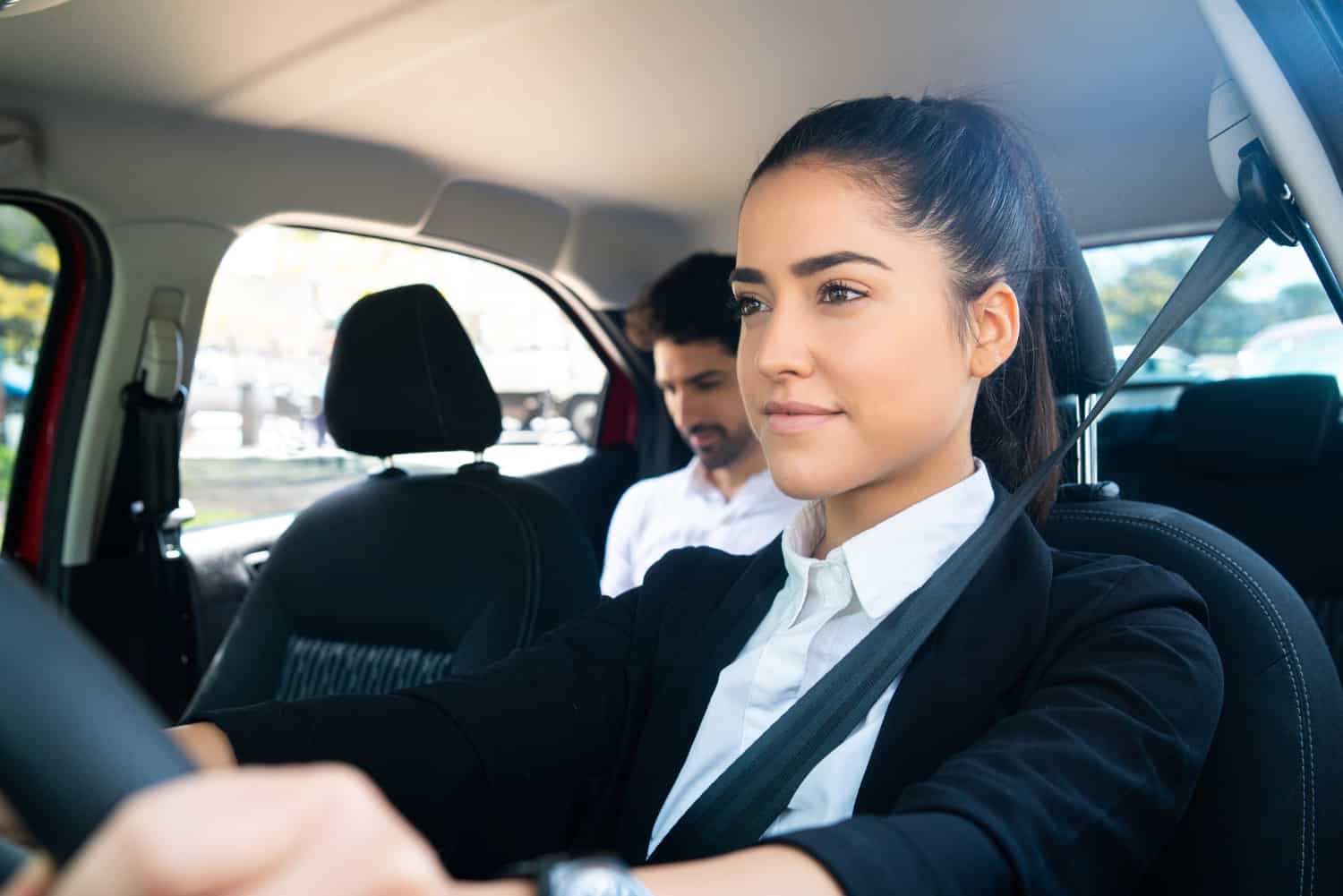
    To avoid such inconveniences, here are five basic vehicle health checks that should be done on a regular basis;

    1. Always remember your tyres!

    Checking the condition of your tyres should be made a habit, no matter a long or short drive, as a tyre in dire condition is a hazard to everyone on the road. Without healthy tyres, drivers may find themselves skidding on a slippery road or even find that the brakes do not grip as well. Aside from ensuring there’s a spare tyre in the boot and checking the tyre’s air pressure, drivers should also check the tyre alignment, thickness of the brake pads as well as the tyre tread.

    2. Swish, swish goes the wiper blades

    Most drivers would not even think twice about the condition of their wipers, as long as it is still swishing and wiping rain water away. However, the health of wiper blades deteriorates too, especially when parked daily under the humid and hot sun. Look out for these signs and know when to get them changed; the rubber blades are cracked or peeling off, the blades leave streaks on the windshield, there is squeaking and the wiper frame is bent or looks damaged.

    3. Signal left or right, are your lights alright?

    Every single light on the exterior of the car is equally important and it should be in good working condition at all times. However, it can get a bit tedious when it comes to maintaining the lights because chances are drivers would not even know if one is faulty. Whenever possible, perform a simple check at home to ensure all lights are in good condition. Aside from the headlights, rear lights, and fog lights, other more important lights to note are the indicator lights for switching lanes and brake lights to alert other drivers to slow down.

    4. Battery problems?

    One of the first signs that the car battery is about to die is when you have trouble getting the car to start. The moment when the car starts chugging or huffing as you turn the ignition on, drive to your mechanic to get those batteries checked and changed if necessary. It is also good to note the lifespan of your battery and make a note of it somewhere in the car or on your phones so that you can remember.

    5. Ensure a cooler vehicle for a cooler drive

    While checking engine oils, also check the coolant levels in the vehicle as it might trigger a fire when heat cannot escape from the engine bay due to overheating. In simpler words, the engine radiator and cooling systems are what prevents a vehicle from overheating. The most common causes are faulty radiator fan, cooling system leak and low coolant levels. Never remove a radiator cap when the engine is hot as hot liquid could squirt out and injure you. If unsure, it is best to seek professional help at the mechanic.

    In addition to performing these routine checks to ensure your vehicle is operating at tip top shape, one other important measure to consider is getting a motor insurance. Similar to how health insurance may potentially save your life and looming medical costs, motor insurance can do the same. It is like a safety net to ensure your motor vehicle, along with the driver and passengers are well covered and insured.

    At Liberty Insurance, Private Car EZY Plus – Comprehensive insurance is a holistic coverage plan to get as it doesn’t provide coverage only against own damage and third-party losses but also covers medical expenses, permanent disability or death in the event of an accident on the road and also covers child seat replacement if the seat is damaged due to accident, theft or flood.

    In addition to this, you can also buy one of our Bundle add-ons that include coverage on PA for Passengers, Flood Allowance, 24-hours unlimited mileage towing, side mirror damage and others.

    Liberty Insurance also offers an efficient claim process with its Liberty Own Damage (OD) Express Claim that is only applicable with its Private Car EZY Plus – Comprehensive plan. Claims can be made via any smart phone and the accident must be reported within 48 hours for express claims disbursement.

    To find out more about Liberty Insurance’s Motor Insurance and its claims process, visit www.libertyinsurance.com.my.

  • 3 Most Popular E-Wallet in Malaysia

    3 Most Popular E-Wallet in Malaysia

    An e-wallet or also known as digital wallet, is an electronic device, online service, or software program that allows one party to make electronic transactions with another party for buying goods and services. With the rise of smartphone usage, so does the popularity of e-wallet in Malaysia.

    Let’s check out the 3 most popular 3 e-wallet in Malaysia.

    Boost

    • Backed by Axiata Group
    • One of the pioneers in the Malaysian e-wallet market
    • Accepted at any UnionPay QR merchants
    • BoostUp Reward Programme and CashUp Cashback Programme

    GrabPay

    • Backed by Grab
    • Leverages the Grab Ecosystem for GrabFood, GrabRide and other provided services
    • Partnership with Maybank for cross platform use
    • Earn GrabRewards Points from every transaction

    Touch ‘n Go e-Wallet

    • Backed by Alipay and Touch ‘n Go
    • Taps into the large existing user base of Touch ‘n Go cards
    • PayDirect: link your Touch ‘n Go Card and pay toll fare directly with your e-wallet balance at participating highways
    • Money-back guarantee: full refund within five working days if your e-wallet is charged erroneously

    Each e-wallet in Malaysia comes with its own uniqueness. You should look at which is more convenient and brings the most benefits to you as a user.

    In terms of benefits, here’s what you can expect from the 3 e-wallet in Malaysia as per below:

    1. Convenience And Safety

    What is the first thing you take when you head out? Your wallet or phone? Frankly speaking, I will often forget my wallet, but never my phone. We heavily rely on smartphones today and with the high adoption of e-wallets among merchants, we can easily make payments without cash on hand. Besides, I think everyone has faced the awkward situation of having to squeeze the notes and “syiling” back into your wallet after receiving your change. With an e-wallet, problem solved!

    The safety of digital payments is also a concern for some, but data in the e-wallets are encrypted and some providers even provide money back guarantee features to ensure the safety of using their services. It can be also argued that e-wallets have helped to reduce theft cases, which usually occurs with physical cash!

    2. Spending Tracker

    Do you always get shocked when checking your bank balance? Clueless on where the money has gone? You can easily check your e-wallet where all transactions made are recorded. Gone are the days of forgetting where you spent your money. Keeping track of your daily spending is crucial to cultivating good financial habits. This provides an overview of your spending patterns and insight as to where you could improve.

    3. Promotions And Rewards

    While having many e-wallets has been confusing for some, the war to acquire users has been beneficial for us consumers. All e-wallets offer their own rewards, and it’s up to you to make the most of it:

    • Boost allows you to earn BoostUp coins with every transaction and exchange for gifts
    • GrabRewards Points comes with an extendable validity feature which technically makes it technically a “never expiring” points system (every point-earning transaction will extend the expiry date of your GrabRewards points till the last day of the 3rd month)
    • Touch n’ Go e-wallet rewards frequent user with cashback vouchers for selected merchants 

    All the e-wallet players partner with various merchants to provide attractive promotions to users in a bid to increase their market share. So look out for where you can save and earn through regular activities like refueling your car, buying groceries or even reloading your mobile credit. But please don’t use these promotions as an excuse to spend more than you need to!

    4. Private Assistant

    Paying your utility bills? Use e-wallet!

    Topping up your mobile credit? Use e-wallet!

    Sending money to your spouse? Use e-wallet!

    The utility of e-wallets is increasing by the day, and are no longer just avenues for sending or receiving money. Many can be used to pay for your parking, buy insurance, settling utility bills and more! There will be definitely more that an e-wallet can do in the near future.

    About the Author

    Ocean Pon is a Licensed Financial Planner and likes to help millennials make wiser financial decisions to achieve financial independence. He can be contacted at oceanpon@finwealth.com.my

    We at Smart Investor and Finwealth is committed to help you better manage your financials. Get a free consultation from an expert by filling in your details here: https://www.smartinvestor.com.my/SIxFinwealth

  • Banking For Expats In Malaysia, 6 Things You Should Know

    Banking For Expats In Malaysia, 6 Things You Should Know

    It has become increasingly difficult to move money anywhere around the world, and it is set to get tougher. Fraud, cyber security, tax and compliance procedures, amongst other rising trends, are creating obstacles. Traditional banks are being marginalised by digital transformation in banking and non-banking sectors, with the ease of moving money around with crypto wallets, in Malaysia, and worldwide being a prime example.

    So, if you are an expatriate in Malaysia, or thinking of moving to Malaysia, you may be left wondering what’s the best option for banking.

    Let’s check out banking for expats in Malaysia.

    1. Setting Up A Bank Account

    Abstract blur and defocused hotel lobby interior for background

    Opening a bank account as an expatriate in Malaysia is straightforward and fast, if you have the relevant paperwork. If you do not then it is not possible. If you are employed in Malaysia, then you will be able to open a bank account at a local Malaysian, or international, bank.

    If you are not employed in Malaysia but own a residential property, then you should also be able to open a bank account. If you are considering starting up your own company in Malaysia then it is best to check that it will be possible to open a corporate bank account in Malaysia before you take the time and expense to establish a legal identity.

    Due diligence on several aspects of opening a company should be done in Malaysia, and in any other Asian countries, before you decide to proceed. You may find that it is possible to open a company but not possible to open a corporate bank account in Malaysia, or elsewhere. Check before you get started on the incorporation to avoid wasted effort and expenses.

    2. Banking For Expats: Multi-Currencies

    Caution should be exercised when you open a multi-currency account in Malaysia, or anywhere in the world. You may find that, despite having a choice of accounts to keep your hard-earned currencies in, when you transfer foreign currency from abroad your bank in Malaysia will convert all currencies into Malaysian Ringgit initially.

    This is fine if you intend to spend most of your money in Malaysia, but if you want to hedge against currency volatility then you may lose out on any initial transfer on the exchange rate and on currency risk.

    3. Digital Wallets

    ebelia rm300 million e-wallet credit

    Digital wallets are hot. They are useful too. If you have not already tried using one, or more, digital wallets, then what is stopping you exploring? There are currently over 40 similar providers but this space is likely to reduce to a few niche players in the future.

    The Covid-19 pandemic has accelerated the adoption of e-money payments in Malaysia, and globally, with transaction value crossing RM30 billion (between January and September so far in 2021, according to data from Bank Negara Malaysia.*

    Points earned from spending through your e-wallet may be going to waste and if you look at the amount of money you, and your family, will save in a whole year using e-wallets then this may be a good motivator. E-wallets also mean you do not have to handle cash for shopping and small purchases.

    Read: What are The Many Benefits of E-Wallets in Malaysia?

    4. Fraud And Cyber Attacks

    The two major security issues a local or an expatriate faces with their bank account in Malaysia, or anywhere in the world, are fraud and cyber risks. Malaysia is reportedly a leader in cyber security amongst Asian countries. Does this really mean your bank account is safer in Malaysia than somewhere else?

    Reportedly, Malaysia leverages policy capacity with a broad network of international intelligence alliances to rate highly in the cyber-power rankings. Malaysia came in fifth out of 194 states in the 2020 Global Cybersecurity Index constructed by the International Telecoms Union, a United Nations agency.

    With 98.06 out of a possible 100 points, Malaysia was only fractionally behind Singapore and South Korea, and equal with Russia and the United Arab Emirates. It has been in the top 10 since the first report was released in 2014. However, the best way for you, and your family to prevent losses through cyber attacks is to be vigilant when banking online.

    5. Benefits Of Domestic And Overseas Credit Cards

    credit card 101 rules

    Cashback is one benefit of shopping with a local Malaysian credit card. If you are an expatriate and want to make the most of your earnings in Malaysian Ringgit then it is probably a good idea to spend most of what you earn in Malaysia. From time to time, a few countries may not allow you to exchange your hard-earned Malaysian Ringgit for foreign currency when you travel overseas, or the exchange rate may be unfavourable.

    If you are sending Malaysian Ringgit savings back home, or to an overseas investment, then you may also be caught by a dip in the value of the Malaysian Ringgit. Remember, it is usually best to have more than one credit card just in case there are simultaneous cyber and fraud attacks on both your credit cards at the same time, leaving you stranded overseas without means to pay for a night out or accommodation.

    Some international credit cards offer no international currency charges, as well as favourable exchange rates, so take a look around at what is on offer. You may find that using an overseas credit card in Malaysia is low on cost and favourable on exchange rates.

    Read: How Credit Card Works in Malaysia: Credit Card 101-Know the Rules Before Playing The Game

    6. Money Transfers

    Most banks around the world now require that you give a reason for any money transfer from your own bank account to a third party. Any bank transfers of a substantial sum must be investigated by the bank and a report made to the central bank, Bank Negara.

    You can save yourself time, money and stress by making money transfers of small amounts, less than US$10,000 or foreign currency equivalent, if you want to avoid unnecessary hassle. Some crypto currency wallets do not require you to state a reason for your money transfer and, if you have not already tried, you may be interested to transfer funds around the world using cryptocurrencies.

    It is not as difficult as you may think with many transfers simply requiring you to cut and paste an ‘address’ into their portal, then press send.

    A lot of wasted time and money is not down to banks, it is down to you. Becoming more aware of the benefits of non-bank and digital banking options, and their associated risks, could save you pennies or earn you pounds.

    So there you have it, the available options on banking for expats in Malaysia.

    About the Author

    Dr. Jonathan Di Rollo (PhD Econ) has been actively and passively investing in Asian markets for more than 20 years.

  • Lifestyle VS Living Your Life?

    Lifestyle VS Living Your Life?

    During the pandemic, two words that we always heard or read are “lives and livelihoods”. These two words were often mentioned in press conferences by the government and how they are trying hard to balance between the two.

    How does this relate to us an individual, lifestyle vs living your life?

    Based on the Oxwhite Shopper Survey 2021 published on TheEdge on 28 June 21, about 58% of the participants shop for only things they need when they need them, 24% usually keep a wish list. While the remaining 12.5% buy on impulse and 5.5% always on the lookout for the latest product.

    Let’s explore few ideas before you decide to place your next order.

    Luxury VS Necessities

    When we talk about luxury product, there are generally perception associated with a certain product. Be it a luxury watch or car, it is either a symbol of success, quality or excellent.

    Does that mean you have to avoid buying luxury product altogether? No.

    The more important question to ask yourself are as follows:

    • What is your current financial situation?
    • Have your cover your necessities?
    • Have you been putting aside your monthly savings for protection or medium to long term financial needs?

    For instance, if you spend more than 1/3 of your expenditure to pay for your luxury items, then you may need to reconsider whether buying that item is necessary now or should you defer or consider another product.

    Only when your financial situation allows, then you can re-evaluate whether to buy it in the future.

    Buy Now Pay Later (BNPL) VS Pay In Full

    Another new payment method that offers interest free payment is “Buy Now Pay Later” (BNPL). It is actually be good for consumers who are prudence in managing their spending, as they do not have to come up with a large sum of money at one go to purchase something and is also not subjected to any interest payment. But if you do not not pay the amount every month as per the due date, you tend to build up more debts and end up spending over your means.

    It is the same with anything, for example a knife. If you use it appropriately in the kitchen, it is a great cooking tool. However, if it falls to the wrong hands with bad intentions, it can take away someone’s life.

    Current VS Future

    By having ads being shown to us many times when we are searching for something online, it builds our liking towards that product unknowingly. Not many of us are able to refrain from the temptation of getting the latest gadget and or any new product that is being launched in the market.

    Some products are marketed via influencers or artists as their ambassadors, therefore this encourages their fans to buy the product because of their idols are associated with that particular product or brand. Our brain tends to focus more on the present rather than the delayed gratification that enable us to build more sustainable savings at a later age.

    Choose The Lifestyle That You Can Afford

    There is always a choice in how we live our life. Do we really buy certain items because we can afford it and want to give the best to our loved ones? Or do we only need certain product to perform certain task?

    There is no right or wrong on how one lives their life. Therefore, we cannot have one rule for all circumstances. These are just some of the factors for you to consider before making your next purchase.

    A great habit to inculcate is to manage your money and spend it prudently. It is about finding the right balance between lifestyle and living your life.

    “Lifestyle is not an amount, it’s a practice.”

    – Jim Rohn

    About the Author

    Goh Chee Yong is a Licensed Financial Planner under Capital Markets Services Representative License (CMSRL) and Bank Negara approved Financial Advisor Representative (FAR). Prior to becoming a financial advisor, he spent eight years working in Big 4 audit firms and multinational corporations. He can be contacted at cygoh@imaxfinancial.com.my

  • What Blockchain Taught Me About Parenting and Economic Wisdom

    What Blockchain Taught Me About Parenting and Economic Wisdom

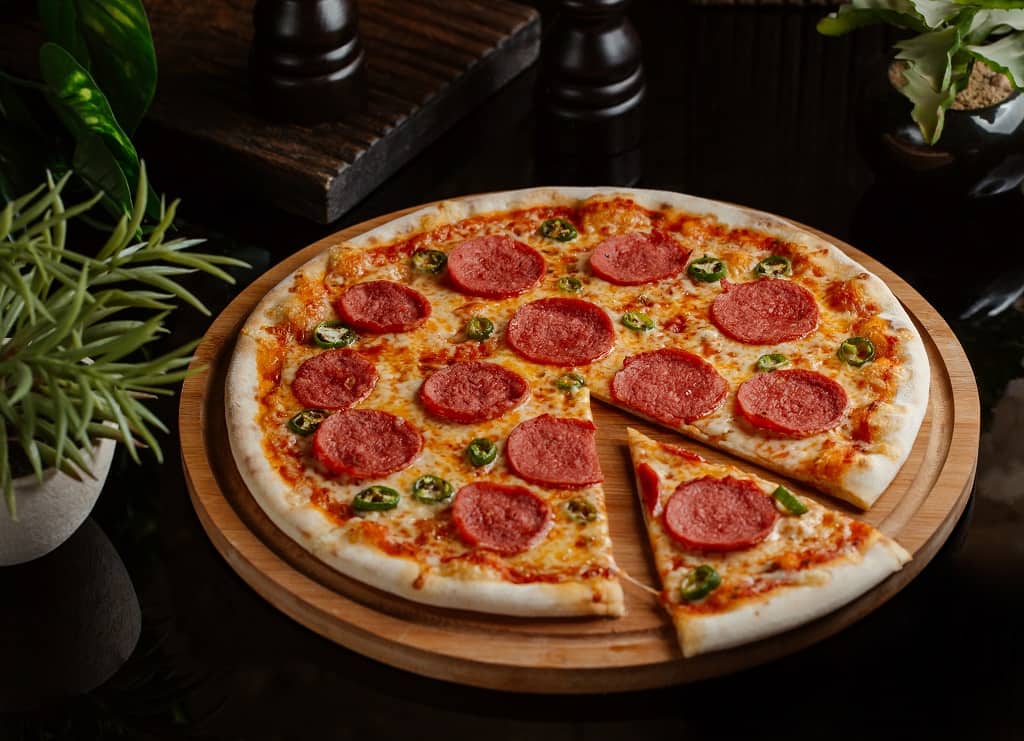
    Imagine the following situation: you bring your twins out for a family dinner in a pizza restaurant. When the pizza arrived, the restaurant didn’t split it. Now, you must split it between your children. The trillion-dollar question is how will you do it?

    For this exercise, I present two plausible options:

    1. You, as the parent, will split for the children.

    2. You let the children decide for themselves.

    For the first scenario, being their parent, you may rightfully believe that you are bestowed the right (by social convention for example) to decide for them. Here’s the catch though, what happens if you have good intentions but are inept with logic (e.g. You can’t tell that a large pizza with 8 slices and a large pizza with 12 slices is the same)?

    Or your method might not yield consistently good results due to some long held tradition (e.g. tiger parenting). When your children grow up, they might constantly defer to a “higher” authority while imposing their will rightly or wrongly on their children.

    For the second scenario, you are laissez-faire, trusting your children to behave well towards each other. Let’s say one of your twins is epigenetically different from the other. So one has a growth spurt much earlier than another. Making a twin stronger, but also hungrier. Then, it is easy for one to bully the other to get a larger slice. This creates an unhealthy dynamic between the twins. They might grow up hating each other, causing a rift in the family.

    The first method sounds tyrannical; while the second can turn into anarchy. Both scenarios presented above are not meant to predict what would happen definitively. It aims to jolt us into being more conscious of our methods, because they might lead to undesirable outcomes.

    Okay, what would be a better approach? How can we split the pizza between the children in such a way where a parent’s authority is not needed in the future; at the same time, the children will learn imaginative ways to treat each other as fair as possible?

    The Fairness Solution

    There is a little game to play when splitting the pizza, it is called the “split and choose”. To play the game, one of the twins is given the right to split the pizza into two slices, then the other gets to choose the first slice. For example, twin A splits the pizza into two, then twin B gets to choose which slice to take first. If twin A cheats by splitting the pizza unevenly, twin B will naturally choose the larger slice first.

    In such a game, only the cheater loses. You don’t have to use your parental authority, nor enforce any fairness values. The self-evident fairness of this game creates a naturally desirable result.

    Such games are at the centre of blockchain protocol development. This “split and choose” game is commonly referred to as proposer-builder separation in the blockchain development. The proposer (i.e. pizza splitter) will propose a block for the blockchain, while the builder (i.e,. pizza chooser) will build the block for the blockchain. The exact details of how this works is too lengthy and technical to cover in this article.

    Nonetheless, you can find out more in the Ethereum discussion forum here. The point of all these is to keep a balance of power by avoiding centralization, so that it is worthwhile to build meaningful use cases on it. Without which, the participant with the most power can corrupt the entire system.

    Not Everyone Thinks Fair

    For the astute reader, you might be able to detect a flaw in this game. This game only works if participants are willing to play the game. What if in the future, without parental supervision, the stronger twin decides not to play this game and resorts to brute strength for a larger share?

    This abuse of power happens a lot in the real world and in blockchain. However, let’s not forget that with continuous abuse, the weaker twin can also decide not to play the game and find other players willing to follow the fairer rule. One example in the real world is the migration of a minority group from one country to another.

    In blockchain speak however, we call it “forking”. Forking is a situation where a group of participants decide to create another version of a blockchain with a new set of rules. Participants fork a blockchain because of competing beliefs in a better system given the risks and rewards like utility, cost, convenience, scalability, security, transparency, decentralization etc.

    The trillion dollar question here is that given more time, which of these factors will society value most?

    Shade They will Never Sit

    Blockchain protocol developers are building blockchain infrastructure primitives (i.e. rules, standards, systems, protocols etc) that they believe will naturally and legitimately benefit society. Good blockchain protocols are developed through pragmatic first principles approaches using science, maths, cryptography, extensive human behavioural research etc.

    We are already reaping the rewards from these efforts. In 2014, disadvantaged groups torn by war and oppression found refuge and financial freedom through Bitcoin. In 2021, we see the rise of NFTs (through ERC-721 standard) which allows artists from all around the world to have another sustainable means of income.

    People living in countries with hyperinflation and foreign exchange controls use stablecoins (created through the ERC-20 standard) to keep the value of their hard earned incomes from eroding. And of course, some of us trade or invest in cryptocurrencies as a new class of asset.

    In the coming years, there will be a lot more innovation in this field (so don’t sleep on it). Only with hindsight, will we realise how these imaginative games played a pivotal role in solving difficult social, political and economic problems. With it, we may no longer require blind obedience to an authority, nor giving up to zero-sum anarchy.

    Future generations will reap the rewards of these old men who planted trees whose shade they shall never sit. Isn’t that what any good parent would want for their children?

    About the Author

    Chia Sheng Yeong is the partner of Celebrus Advisory, a bespoke and industry-acclaimed consulting firm for digital assets with focus on regulatory compliance, technical delivery, and project outcomes.

  • More Money, More Happiness?

    More Money, More Happiness?

    I used to be a full-time musician a decade ago. I produced and arranged music from a home studio consisting of pre-owned musical gears that I bought mostly through eBay.  I was always doing research and upgrading my audio gears from time to time, ranging from keyboards, microphones, sound modules, audio interface, software, and so on. Even though music is a niche and relatively small market, there is an array of equipment available and I was spoiled by vast choices.

    Costly Sound Bites

    For example, just in the area of vocal microphones under Neumann Solution DS, you could find one in the price range of RM100 up to RM50k. I would first buy an entry level microphone, then upgrade it after making more money from music gigs. My first studio mic was about RM800. Then I had one that was RM2,000 a few years later. What was the difference? Of course, it was more expensive but records better quality audio. It captured a wider spectrum of sounds. However, when I played the recording clips from these two different mics to friends, most of them could not hear the difference. The improvement was very subtle.

    How about those mics that cost more than RM10k? It is true that the sound quality will be better. But what is the degree of improvement? If we put it in a graph representation, let’s say the entry-level mic gives a quality of 80%, while the RM2k-mic will boost it to 90%, and the RM10k-mic will produce 95%. However, when you consider the premium you need to pay, is it worth it? There is no right or wrong answer. It depends on your needs and affordability.

    money

    What Price for Prestige?

    Another case we can examine is the passenger cars segment. For a sedan, there are many models from many different brands. Consider the most affordable Perodua Bezza, the value-for-money Honda Civic, the flashy BMW 5-series, or even the stately Bentley Flying Spur. All these vehicles have the same functions like air-conditioning, air-bags, automatic transmission and so on but the most important aspect is that you will get to your destination with any of these cars.

    Now let’s consider the pricing. The cost of a brand new     

    BMW 5 Series 530i M Sport (CKD) (2017) (RM388,888) gives you a budget to buy up to 10 Perodua Bezza. I understand that the feeling and satisfaction you will get out of driving a BMW would be much better than a Perodua. But you will have to pay 10 times the price. Will you be getting 10 times the satisfaction?

    Again, it depends on your level of wealth. You can own a luxury car when you are rich and can make good economic use of the money. From these examples, you can see that there is a premium to be paid for all the good stuff. Most of the time, you might need to fork out two times, five times or even 10 times more just to enjoy maybe a 20% boost of value.

    Consider the Value of your Money

    I would urge you to contemplate whenever you think of paying an extra premium for better stuff or better service. If it is for something within your budget, then go ahead. But when affordability becomes an issue, do consider the value of your money. There are always alternatives that can meet your budget and give you the best stretch for your money.

    There was a research done about the level of wealth versus happiness. Psychologist Daniel Kahneman during his TED talk in 2010 made a note of studies that showed that earning less than US$60,000 per annum can have a significant effect on your happiness levels. It means when you are earning less than RM240k a year, every ringgit will contribute proportionately to your happiness. However, when it comes to making more than US$60,000 per annum, there is entirely no correlation between more income and more happiness.

    money
    Source: The Hedonic Treadmill

    More wealth does not convert to a prorated happiness boost. Similarly, when it comes to material consumption, most of the time, even when you pay 10 times the premium, it does not translate to 10 times better quality.

    If this is true, how do you gain more happiness? The simple act of getting a new car, a bigger house, or a more exotic vacation is no longer the solution. I suggest that you look into areas that give you real satisfaction. Would it be a more meaningful job? Is it the freedom to make life choices? Or perhaps it would be spending more quality time with family? Know yourself.

    About the author

    KCLau is a financial educator, having published seven books including the current bestseller Money Smart, and co-created a dozen online financial courses. He gives away his popular Money Tips e-book volumes free at his website: https://KCLau.com

  • Home Remedies to Stop Type 2 Diabetes

    Home Remedies to Stop Type 2 Diabetes

    Approximately 95 per cent people suffer from type 2 diabetes, which is primarily obesity and lifestyle-related diabetes that can be prevented by diet modification and exercise. We normally diagnose diabetes when fasting blood sugar is more than 125 mg/dl, which is primarily affected by hours of fasting and quantity and quality of carbohydrate meal consumed during dinner the night before.

    A postprandial blood sugar level of more than 200 mg/dl is diagnosed as diabetes. The majority of obese people, who are in between the 100-125 mg/dl fasting sugar ranges and/or 140-200 mg/dl post-lunch ranges are at risk of developing diabetes and termed as pre-diabetic. Diabetes can be reversed at pre-diabetic stage with lifestyle modification (diet and exercise).

    Home remedies can help you tremendously in controlling blood sugars at pre-diabetic stage and preventing its progression to diabetes.

    Now, we have a more reliable test called HbA1c (Glycated Haemoglobin), which shows an average of blood sugars over last 3 months which is not affected by hours of fasting and quality of food consumed. A normal person has a HbA1c value of 5.7% or less. A pre-diabetic person’s HbA1c value ranges between 5.7-6.4%; 6.5% and above is diagnosed as diabetes.

    diabetes

    Type 2 diabetes is a progressive disease. When diabetes develops, approximately 60% of pancreatic beta cells are dead and eventually, over time, beta cells keep on diminishing and finally a stage arrives when exogenous insulin is necessary to control blood sugar.

    5 Surprising Facts about Type 2 Diabetes

    • The highest relative rates of type 2 occur in the small island republic of Nauru in the South Pacific. More than 30 percent of the 10,000 residents are afflicted. The main reason here is obesity – more than 90% of all adults are obese.
    • Type 2 diabetes is more common in African Americans, Latinos, Native Americans, and Asian Americans/Pacific Islanders, as well as the aged population.
    • Both types of diabetes share the same name, but the treatment is very different: whereas type 1 patients are dependent on insulin injections, type 2 patients can lower their insulin resistance with exercise and healthier eating habit, plus medication.
    • The symptoms of type 2 diabetes can sometimes be so mild you don’t notice them. In fact, according to WebMD, about 8 million people who have it don’t know it.
    • While daily high-quality sleep is important, too much sleep might be just as risky, with Canadian researchers revealing the risk of type 2 diabetes doubles among people who sleep more than eight hours a night. The magic sleep number, research has suggested, is between 7-8 hours a night.

    Natural home remedies are fruits and vegetables, which help lower blood sugar levels by reducing carbohydrate absorption from the gut, delaying gastric emptying or preserving and promoting beta cell function.

    Also, in the case of already developed diabetes, these home remedies, along with medication, can help keep blood sugar under control. In diagnosed diabetes patients, it is not an alternative to medication but adjunct to medication.

    Commonly-used natural home remedies for type 2 diabetes include fenugreek (methi), bitter gourd (karela), cinnamon (dalacini), Indian gooseberry (amla) and black plum (jamun). Other natural home remedies include guava, green tea, okra, aloe vera, cloves and peas.

    All these home remedies are effective only if they are consumed daily for at least 2-3 months. In known diabetes patients who are already on insulin or certain medication, occasional or sudden use may induce hypoglycaemia. In such a case, it is advisable that you consult your diabetologist before starting such home remedies.

    About the author

    Dr Nikhil Prabu is a Mumbai-based Consulting Diabetologist. He did his post-graduate studies in Diebetology from College of Physicians & Surgeons of Mumbai at Kokilaben Dhirubhai Ambani Hospital & Research Centre Mumbai and completed his MBBS from R.C.S.M. Govt. Medical College, Kolhapur in 2008 (MUHS).

  • A Conversation With Tun Dr Mahathir

    A Conversation With Tun Dr Mahathir

    Most of us wish to retire early before we hit 60, which is the retirement age in Malaysia. But not the living legend, the Father of Modern Malaysia. 

    Born on 20 of December 1925, Tun Dr Mahathir Mohamad holds the record of being the oldest prime minister in the world when he was in office. This was when he became the prime minister of Malaysia once again on 10 of May 2018 when he was 92 years and 141 days old.

    Smart Investor’s team with Tun Dr Mahathir Mohamad

    Smart Investor recently had the honour and opportunity to speak with Dr Mahathir in person. He spoke to us about his philosophy around work and retirement, what he has invested in and how he keeps his mind sharp at his age. 

    Trust in Our Malaysian Doctors

    A well-known story about Dr Mahathir during his first premier was that he put his faith in local Malaysian doctors for his heart surgery. The surgery was led by a local doctor, Dr Yahya Awang with his team in 1989. 

    Dr Yahya Awang with Tun Dr Mahathir – Photo : MHTC

    He was then 64 and 82 years old when he went for his first and second major surgery, respectively. 

    “Basically, I’m quite healthy in the sense that I don’t have any debilitating diseases. What I had was a blockage in one of the heart arteries. The doctors are very good and I recovered. Once I recovered, I was free from the disease and I naturally came back to normal,” Dr Mahathir shared. 

    Today, at 96 years old, he is still standing strong and working tirelessly for the betterment of our country. 

    You need to live a moderate life. Don’t eat too much because that could affect your health. You should also have enough sleep and don’t get too excited over things.

    Tun Dr Mahathir

    Dr Mahathir added that one has to try and stay as calm as possible. 

    “Mainly, I don’t smoke, I don’t drink and I think this also contributes to my good health,” Dr Mahathir emphasized. 

    He said that he eats almost anything but keeps his portions small. He also shared that he practiced his mother’s advice when it comes to diets:

    “When the food taste nice, stop eating.”

    Until today, Dr Mahathir’s memory is still intact. What is his secret?

    “If people ask me questions on matters that I am interested in, it is easy for me to remember what information I have. But if you ask me something that I know nothing about, of course, I cannot answer. The main thing is to always do a lot of reading, discuss frequently with others and debate with people,” he responded.

    These are the tips he shared on keeping your mind active. 

    The mind is like the body. If you don’t use it, it begins to retrogress. 

    Tun Dr Mahathir

    Stress and Heart Attacks

    Recent findings by the Department of Statistics Malaysia (DOSM) found that ischemic heart disease remained the principal cause of death in Malaysia, contributing to 17% of 109,155 medically certified deaths in 2020. People tend to think that heart attacks will only occur to those in the retirement age, but surprisingly we can see that men and women are now having heart attacks as early as in their 20s. 

    He thought that people nowadays are very emotional and get easily upset over things. This will affect the part of the body where the heart beats more than normal which can put a strain on the heart.

    “No smoking. That’s very important. Beyond that, don’t go through too much stress. Try not to get excited and angry much,” he advised.

    Severe road congestion, the rise in living costs and many other factors seem to make everyone so stressed these days. What are the ways we can overcome stress?

    “We have to accept that things cannot always be right. Today, we are facing a pandemic that prevents people from working and they cannot earn money to buy food. Of course, this worries them and it’s very difficult not to worry,” he said.

    Health is Wealth

    Tun Dr Mahathir

    When the word retirement planning comes into mind, everyone is focused on building their wealth but not their health.

    Health is very important. It’s no good having billions of Ringgits if you can’t even move or talk or behave normally. So, it’s better to have less money, but stay healthy. You enjoy life better.

    Tun Dr Mahathir

    Younger generations tend to get involved in the gig economy, freelancing and running their own business. In 2020, the DOSM shared that almost four million people are working in the gig economy in Malaysia. This includes ride-hailing, food deliveries and managing holiday rentals via an online platform or an application accessible through smartphones.

    Unfortunately, most of those who are involved in this line of work did not contribute to the Employees Provident Fund (EPF). How can they start planning for their retirement? 

    “When you’re healthy and able to work, you can do whatever you like. But when you grow old, you need a pension and some income. If you have done well in your business and you have contributed to EPF or you have saved money, then when you’re old, you don’t have to worry too much about finance. But if you work where there is no pension and you don’t save and don’t contribute to EPF, when you grow old you’re going to have problems,” Dr Mahathir shared.

    On the Rise of Inflation

    Bank Negara Malaysia (BNM) projected the headline inflation of the country to be between 2.2% – 3.2% in 2022. This is not only happening to Malaysia but countries around the world which are affected due to the pandemic and Ukraine-Russia war. 

    How can Malaysians weather the storm?

    “Interest rates are a cost to doing business. The higher it is, the more costly the business. This will result in production services being more costly and when it is more costly, of course it is not sellable,” he shared.

    Dr Mahathir further explains that low interest rates will encourage people to invest and some of them would fail. But for the government, the lack of investments will reduce the creation of wealth. 

    Tun Dr Mahathir Moahmad

    “We need people to invest money in order to create wealth. Because when they make a profit, they are actually creating wealth, then they will pay taxes to the government,” he added. 

    Investment is one of the tools to hedge against inflation. However, the number of scams is now running into billions of Ringgits, despite there being a lot of legitimate investments. Why are people still falling for scams? 

    Dr Mahathir opined that people want to get rich quickly and they easily believe the pitch when people tell them that there are easier and faster ways to earn money.

    Tun Dr Mahathir

    “There is no such thing as easy money. Money comes through hard work and intelligent work. If you believe that putting up a few dollars somehow will multiply to a big amount of money you earn, then you’re going to be cheated,” he explained.  

    We then asked him what his investment portfolio was like.     

    I don’t own any shares except for 200 shares of Malayan Tobacco which I bought long ago before I became a minister. That’s all my investment.

    Tun Dr Mahathir

    Dr Mahathir further added that he also had to invest in PNB and took up some shares worth RM1,000 or RM2,000 because he had to show that investment matters and is good for the people during that time. 

    He clarified that he only depends on his salary which is quite a lot for him and more than what he needs. 

    “I used to be a private practitioner, earning maybe RM2,000 a month. But when I was a prime minister, I earned RM20,000 a month. I can’t spend the money. Besides, the government pays for my house, electricity, water supply, cars and even aeroplanes. I keep my money,” he shared.

    As a smart investor, you can have all the money in the world. But all that money will mean nothing if you do not have good health to go along with it.

  • Preventive Health Screening

    Preventive Health Screening

    Going for regular medical check-ups goes a long way in maintaining your health. A medical condition or onset of disease can actually be slowed down or even averted if discovered on time, particularly if there are no symptoms.

    Smart Investor talks to Dr Hilwani Kaharuddin of Ara Damansara Medical Centre on why timely intervention can make all the difference.

    SI: What is the purpose of Health Screening?

    Dr Hilwani Kaharuddin (Dr HK): Many diseases are “silent” meaning they have no symptoms or the symptoms are very vague. For example, you may have hypertension (high blood pressure) and not know it unless you specifically

    check your blood pressure. Many people associate hypertension with headaches. However, hypertension only causes headaches when the blood pressure is severely high. You may have had hypertension for years without knowing and all the while the constant high pressure is damaging your kidneys, heart, eyes and so on.

    Another example is diabetes. People with diabetes will usually feel thirsty all the time and pass urine more frequently than normal. However, these symptoms may come on so gradually that the person does not notice the change.

    Many patients have told me, “I drink a lot of water, so of course I go to the toilet often”. It sounds logical, but these are actually symptoms of diabetes. So, unless you test for diabetes, you will not know.

    The idea of health screening is to detect problems or diseases early, when treatment is usually easier with a higher success rate as complications of the disease have not yet arisen.

    health

    SI: What Tests does one need to Do and When?

    Dr HK: It is never too early for a health screening. I have diagnosed diabetes, hypertension and cancer in young people. Talk to your health care provider. Based on your lifestyle, family history and symptoms (if any), he/she will advise the necessary screening tests. Of course there is basic general screening, but it is best to get one that is tailored to you.

    For example, someone who has a family history of Thalassemia may need to be tested for that. A young 30-year-old female with no health concerns but is sexually active may be advised to have a PAP smear.

    SI: In Malaysia, what is the prevalent disease? Is it Diabetes? Or High Blood Pressure? Or something else?

    Dr HK: We are seeing an increasing number of non- communicable diseases in Malaysia. This is largely due to our stressful and unhealthy lifestyle. It is difficult to estimate prevalence of a disease because many are not reported. It is estimated that one in three Malaysians above 30 years has hypertension.

    For diabetes, the figure is estimated to be one in 6.5. More importantly, according to the Global Burden of Disease Study, the top five diseases leading to disability or death are:

    Top 5 Deadly Diseases

    1. Coronary artery disease
    2. Road traffic accident (which is not a disease but included here due to its significant impact)
    3. Cerebrovascular disease (stroke)
    4. Lower respiratory tract infection
    5. Diabetes mellitus

    We need to be cognizant of the fact that both coronary artery and cerebrovascular diseases share the same risk factors, that is hypertension, diabetes, dyslipidemia (high cholesterol), cigarette smoking and so on. These risk factors are easily picked up and addressed with health screening.

    SI: Can you give an example where early detection has saved someone’s life?

    Dr HK: I don’t know about saving lives, but we do frequently pick up things that need further evaluation. I was attending to a young man once who came in with a heart attack. He was unusually tall and had some physical features which suggest a certain genetic disorder.

    He had never noticed he was any different from others because he has always looked like this since young. Then his brothers came in and I noticed they ALL had the same features. Therefore, we arranged for screening and all turned out to have this genetic disorder, which although there is no cure, there are things we can do to reduce their risk of complications. 

    There are also young people with abdominal pain who eventually turn out to have colon cancer, or an overweight young man who we diagnose with diabetes and so on.

    SI: What is Pre-employment Health Screening and why is it important?

    Dr HK: Pre-employment health screening is used to evaluate a person’s fitness to perform the duties he/she will be employed to do and that he/she will not put other colleagues at any health risk. 

    SI: What will happen if the employee fails the test? Does it mean he cannot be employed?

    Dr HK: If a test is abnormal in the first instance, the potential employee may be advised for further tests or treatment. He/she may be asked to repeat the test at another time or after the completion of treatment. If he/she fails the test a second time, the duty of the doctor is to advice on the potential employee’s fitness to practise. It is up to the employer if they want to proceed to employ the candidate or consider a more suitable position.

    SI: Are there risks involved in these tests? What are they?

    Dr HK: Screening tests are generally low risk tests. They usually involve an interview with your healthcare practitioner, a physical examination, certain blood tests and may or may not include urine test, imaging such as chest X-ray or ultrasound and ECG.

    SI: How long will the tests take generally?

    Dr HK: A basic screening test usually does not last longer than half a day in centres where they have their own lab and imaging facilities such as ours in Ara Damansara.

    SI: Are there certain things that one should not do/consume before a test?

    Dr HK: For most health screenings, you are advised to fast for at least eight hours for your blood test and if you will be undergoing an abdominal ultrasound. However, you are advised to continue your usual prescription medications except diabetic medications despite fasting.

    Dr Hilwani Kaharuddin is an Emergency Physician and the Head of Emergency Department at Ara Damansara Medical Centre, Ramsay Sime Darby Health Care.

  • Technology in Aged Care Delivery

    Technology in Aged Care Delivery

    Advancement in technology is changing the way care is delivered; allowing elderly consumers to apply self-directed care, while availing healthcare professionals access to information essential to the healing cycle in an instant. Furthermore, technology allows for aged care businesses to answer consumer demand in areas that were previously difficult to access.

    Frost & Sullivan stated (Major Trends & Attractions In The Global Aged Care Market, 2015), that increased use of technology in the aged care market not only has economic benefits, but enables the ageing populace to enjoy better quality of life. Consumers and care workers alike would have a smoother journey in the care experience when care is delivered to where and when it is needed.

    Ageing populations around the world are rapidly growing and aged care businesses need to capitalise on this technological boon to succeed in the future. Hence, increasing attention is being given towards developing new technologies that will help capture quality data.

    Taking stock of the local environment, let’s look into three key areas in healthcare that technology progress will enhance and propel news levels of consumer demand and quality service.

    Living at Home Longer and Safer

    aged care

    For elderly people to live longer in their homes, wearable devices – such as smart bands, intelligent insoles, and so on – and smart home technologies are being developed in order to support them through improved remote monitoring.

    Sensors will regularly track the individual’s health readings and feed data into a central monitor point for the overseeing healthcare professional to keep track in real-time and provide feedback/support from distant locations. In the event a possible fall or mishap occurs, an immediately response could be mobilised.

    With the development of the Internet of Things (IOT), technologies that integrate various devices together have become increasingly sophisticated, to the point where sensors can alert a central monitoring system of a possible mishap if a resident of a home has not left a particular room for an unusual amount of time.

    Lost and Found

    Alzheimer’s Disease International reported that the number of dementia cases in Malaysia were estimated to double every 20 years. That is one new dementia case in every three seconds. Depending on the stage of the disease, persons with dementia may require 24-hour supervision.

    In these cases, wearable technology is invaluable. Apart from tracking vital signs and providing reminders for the wearer to take their medication, some wearable devices incorporate GPS to track children and seniors alike, or detect if a user has been immobile for a prolonged period – in this case, it will call for emergency services or pre-set contacts numbers.

    Assisted Daily Living

    aged care

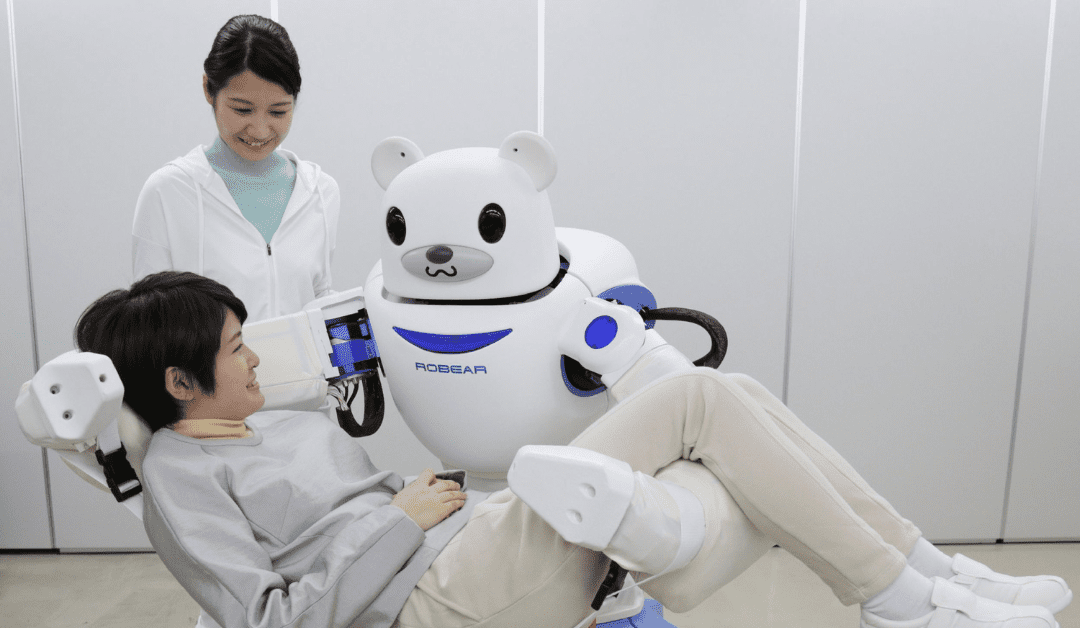
    In Frost & Sullivan’s report, competition in robotics development is expected to grow intensively between 2020 – 2030. There are many benefits robotics could bring to aged care.

    Robots can provide help with daily living activities such as cleaning and cooking, as well as assistance with exercise and transferring (for example: from chair to bed). They can also be companions, analyse emotional well-being and act to mitigate feelings of loneliness amongst the elderly.

    In Japan, senior care robots are already being piloted. Therefore, we can expect to see more sophisticated robots in the future that could help elderly people do more and achieve better quality of life.

    Technology Enhancing Care Quality

    Melinda U, General Manager of Managedcare Sdn Bhd, says the ability to access and analyse well-documented information is crucial to making sound decisions for the best possible health outcomes, not only when care is needed but also for prevention.

    aged care

    “These technologies give empowerment to individuals by helping them to self-manage their health and to take action when alerted about a potential crisis early. For medical and healthcare professionals, it enables them to provide more timely interventions and efficient support.”

    Integrating new technology into the aged care industry will create smoother processes in care delivery, provide better insights and establish superior customer care. Naturally, consumers will seek out businesses that can effectively showcase their ability to provide the best care to their clients.

    Currently, there are many gaps within Malaysia’s care delivery process and aged care ecosystem in terms of efficiency and cost of care. Despite being in its infancy, Malaysia’s aged care industry is in a unique position to integrate and grow these technologies alongside its developing ecosystem.

    “These technologies could cover the gap in service delivery, but they aren’t mainstream in Malaysia yet. There is still a lot of research and development going on in this area. However, Managedcare recognises its potential to complement our mission in making care more easily accessible and we are exploring these options” says Melinda.

    This article is written by Aged Care Group.