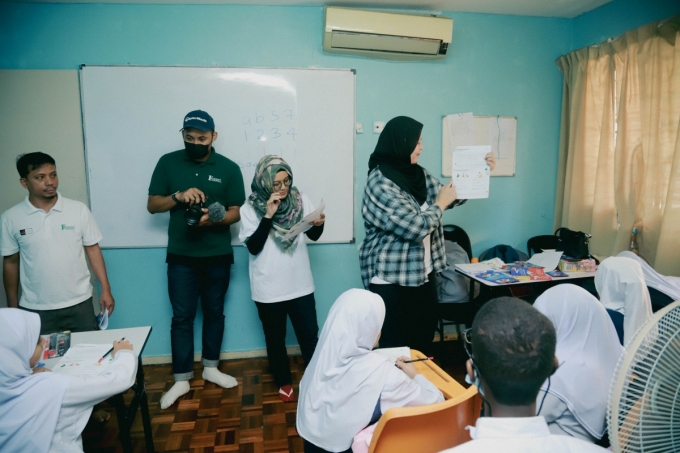
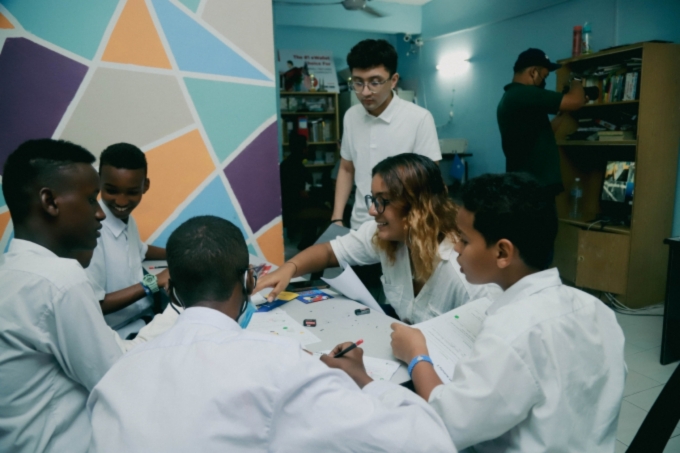
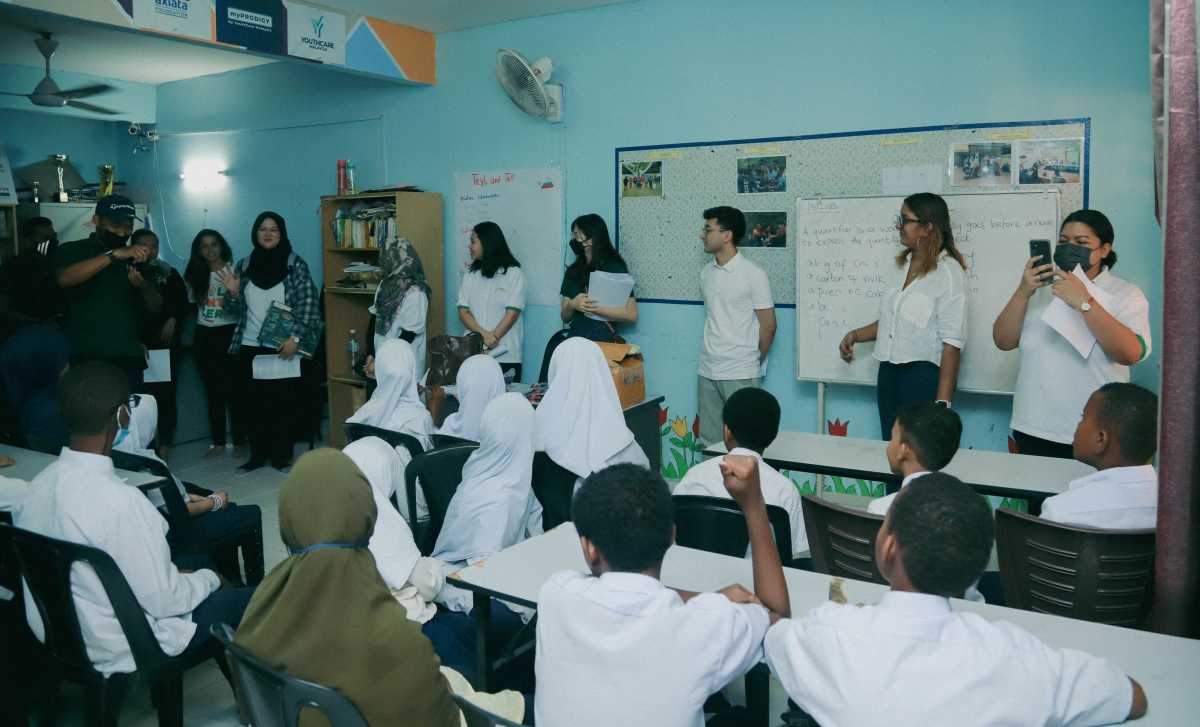
Malaysia-based talents paid a visit to Somali Refugee Community Center, managed by YES, to conduct an interactive two-hour workshop with the students on the fundamentals of digital citizenship; covering online privacy, security, and ethical behaviour. The Somali Refugee Community Center is a venue that supports refugee youths in addressing the many needs and challenges they face while living in Malaysia.
Malaysia-based Forest Interactive talents introducing themselves to the students at the Somali Refugee Community Center
The interactive workshop was conducted by a team of passionate volunteers who engaged the students aged between 8 to 12 with a variety of activities such as reading and understanding the Do’s and Dont’s of a responsible digital citizen, highlighting aspects of Personal Information, Pishing, Digital Footprint, Catfishing, Cyberbullying, Multi-Factor Authentication (MFA), and Reporting Abuse.
Besides, volunteers sharing facts of real-life scenarios on digital citizenship, the students were also handed worksheets to work on being Internet Alert, hypothetical scenarios faced online, Code Cracking, and Practicing Empathy as well as reflect upon what they had learned during the workshop. Through this learning session, the audience had the opportunity to learn on how to create strong passwords and to understand the importance of having one.
Nisa Saharuddin, Community Engagement Lead at Forest Interactive Foundation said “Forest Interactive Foundation firmly believes that access to education is a fundamental human right that should be available to all. To achieve this goal, we collaborate with organizations such as Youth Empowerment Support (YES) and work together to develop effective programs. To ensure positive outcomes, we carefully select volunteers from the industry who possess extensive knowledge and a solid background to deliver the best messages to the students. Given that young people nowadays are exposed to diverse influences, both good and bad, it is our duty to educate and nurture them with appropriate knowledge to prepare and safeguard them for the technology-driven world of the future.”
To ensure maximum participation, stationary sets were provided to the children during the workshop, and all extra supplies were donated to the center as part of the donation effort of this campaign.
Mohammad Abdi, founder of Youth Empowerment Support (YES) and CEO of Somali Refugee Community in Malaysia expressed, “We are delighted to express our heartfelt appreciation towards the passion, drive, and commitment demonstrated by the volunteers who lend a helping hand in educating and imparting knowledge the refugee children.”
“Through this collaboration, we strongly believe that these children will greatly benefit, as we recognize the crucial importance of equipping them with the necessary skills and knowledge to thrive in today’s rapidly evolving digital landscape.”
Are you an NGO looking for partners or do you know of communities that need contributions? Contact us at corporatepr@forest-interactive.com.
About Youth Empowerment Support (YES)
Youth empowerment support was established in March 2019 by a group of twelve (15) youths. 7 girls and 8 boys. The main reason that the YES team was established was because of seeing many youths committing suicides and inequality happening in the community. Their purpose is to support their fellow refugee youths to be able to address the many needs and challenges refugees face in Malaysia. Youth empowerment support is a mixed group of different ethnicities, age, backgrounds, life experiences, and more, but they all have a common goal that unites them all. and that is to give back to their refugee communities, notably to all refugee youths, and any family in need, emergency situations, health, raising awareness and designing programs for the youth.
About Forest Interactive
Founded in 2006, Forest Interactive develops scalable mobile platforms to connect mobile operators, content providers, and game publishers with their subscribers. With over 15 years of industry experience, Forest Interactive has expanded to include a diverse workforce of 20+ nationalities in 15 regional offices.
Delivering content subscription services, digital voucher and e-commerce platforms, and mobile apps for all ages, Forest Interactive operates in more than 30 countries, servicing 90+ mobile operators and 100+ content partners with the capacity to reach over one billion subscribers worldwide. To learn more, visit forest-interactive.com
If your life feels too much like a parallel to ABBA’s “Money Money Money”, it may be time to take a look at your finances. Even so, it still is a good time to think about managing it wisely. With so much being thrown around about inflation, recession, and that one friend who spews cryptocurrency news on the daily – it can seem overwhelming to those who do not know where to start. The ‘finance influencer’ is also fast becoming a niche on social media – and there are many of them; how do you know where to start, lest you get an information overload?
In an era where social media seems to be evolving at the speed of light – these platforms have also become a source of knowledge sharing. Different from financial vloggers or podcasts that usually take on a verbal, lengthy approach to dissecting every detail of the latest financial trend, Instagram finance influencer accounts rely on shorter, bite-sized information that can pique any doomscroller’s interest in a tiny square.
Whether it is through meticulously designed layouts to match the account’s branding, or a series of fun-filled comics that make even the most hesitant reader want to know more, here are five of such IG accounts that will help you consider important pitstops on your financial journey, and what you can do next.
Possibly one of the greatest misconceptions about one’s financial journey is that some may be “too young” to start – when really, the one thing that youths have as an advantage is time to begin saving so they can reap the rewards later. @flyouths, the Instagram account of the Financial Literacy for Youths organisation was started by students for students with the goal of empowering youths through education. What’s even more impressive is that their team of researchers and journalists all comprise Malaysian university students across the globe!
From short quizzes on Instagram Stories (also saved in a highlight reel, ICYMI) to breakdowns of world events such as the controversial ‘trickle-down economics’ plan or the long-term effects of EPF withdrawals – @flyouth ’s content is catered to today’s youth. Even if it may not spark a financial revolution just yet – at least those scrolling through their content will come away having learned something new.
Born out of the intention to share about finance from a female perspective, @her.duit has grown from being a podcast series on financial tips to one of the most shared Instagram accounts in the scene today. A passion project by Michelle Chin (who has since co-founded digital-first pet insurance company Oyen), the account explores the topics of debt, EPF i-investment, setting money goals and emergency funds in formats that are easy to digest.
@her.duit also poses weekly thought-provoking questions via its “My Money Mondays” to kickstart dialogues surrounding various topics so they can hear from the audience themselves. By creating posts that tackle important financial topics that resonate with women – @her.duit is on a mission to empower as many as possible to live their best financially secure lives – and we are here for it!
@daretofinance, easily recognisable from its quirky DTF doodle is the brainchild of our friends from across the causeway. Aside from providing their two cents on all things finance (according to them, the other 98 cents is up to you!), they also have their very own fintech arm (Financial Pathway) that aids users in documenting, planning and managing their finances.
Run by a team from a variety of backgrounds – including financial advisors – @daretofinance provides opportunities for users to ask them any finance-related queries. They are also available on their YouTube channel, podcast, medium channel – so you can consume their content and interact with them in whatever method works best for you!
@thewokesalaryman, also started by a Singaporean probably needs no introduction – you’ve probably already seen them on your timeline! Providing financial advice through their own lived experiences, the account provides slice-of-life content depicted in a comic series, making it both engaging and memorable as one is able to glean their own learnings while swiping through short illustrations that make you think long after you reach the final frame.
Through a series of carefully and clearly explained content – and a little bit of humour – The Woke Salaryman is proof that finance does not need to be boring, and can be understood by all.
For those who want the best of both worlds: The Simple Sum
Need a little bit of advice with the help of visual aids? The Simple Sum, which got its start in Singapore (and is now present in Malaysia, Brunei, Philippines and Indonesia!) takes a tongue-in-cheek approach to the world of finance to help even those who are not in the know, get interested in how to manage their monies.
Whether it is breaking down the unspoken rule of having to fight for paying for the bill after a meal, living harmoniously with housemates without overspending or how credit card interest rates work, each topic is handled with local context and nuance to make it as relatable as possible to people like you and me, leaving a lasting impact on how all the little things in life add up to the sums you pay in your bank account.
Malaysians are getting more health conscious, as we can see by the mushrooming marathon events. Sales of running shoes, sports attires are also on the rise.
Smart Investor recently interviewed Sheyong Tan, Co-Founder of BiiB on the upcoming Malaysia Corporate Team Marathon, Malaysia’s Largest Intercompany Marathon Challenge. GetBiib is a startup supported by the Malaysian Research Accelerator for Technology and Innovation (MRANTI).
Sheyong Tan, Co-Founder of BiiB
Smart Investor: How do you plan to enlist 200 companies and 10,000 marathoners to achieve the 500,000,000 steps through this effort?
Sheyong Tan: We are creating 3 unique experiences through this event:
1. First ever inter-corporate challenge that is inclusive for both bigger corporations and SMEs. It doesn’t require a huge commitment like donation or fee to be part of it.
2. Not by performance but teamwork. Everyone in the team must do their part to help the company to reach the team goal. It is ok if you’re not the fittest, you can play your part too. In this challenge, you have competitors and you have a common target and a well designed format to motivate your team to work together and kindle the team spirit among your employees. Most importantly, the organiser will manage everything for you, the employer’s job is just to cheer for the team.
3. Attractive rewards focusing on fitness, health and well-being to improve your workplace wellness. Some companies are adding in more “private” rewards to motivate the team to participate. Prize money is usually important for performance based sporting events but for an event that is inclusive and one that promotes team participation – like ours, we want the participants to focus on what he or she can do as part of the team rather than making them to feel they have no chance to win any prizes because they would never the fittest person in the room.
SI: How are you adopting a similar strategy in the annual running league RUNLIGA Malaysia which drew in more than 20,000 participants in the past 2 editions?
ST: The GetBiiB app has been used to host the largest running league in Malaysia for 5 consecutive years.
Through this, we know the best practices, pain points and insights to create the best in class challenge for participants of this corporate challenge.
As such, for this event, we are working with companies who are aligned with our vision to create a healthier workplace and promote well-being among our workforce.
As such, we are working with healthy snack company Signature Market, healthcare company like Doc2us, wearable technology company COROS Malaysia, mental health company Thoughtfull, employment platform like Jobstreet, outdoor company PTT Outdoor, sports facility booking platform AFA and the newly listed technology company Agmo Berhad. The Department of Statistics (DOSM) is also a partner.
We have prepared some nice goodie bags for the participants and finishers which is nearly 20X more than the participation fee.
We are still open for sponsorship and collaboration with any businesses who believe in our vision.
SI: How is this is different from other corporate marathon programmes or apps that companies can choose to organise themselves?
ST: There are several key features.
Key feature 1: Interesting and fun team-based game format
Our platform has different game formats to focus on different outcomes of the challenge. It can be for health, for team building, for a cause, etc.
In a mass participation event like this, the main goal is to motivate participants to commit themselves and at the same time help their team to achieve the best possible result. As the organiser, we know that intrinsic rewards such as pushing through one’s own limit, making new friends, becoming a finisher or becoming one of the top 10 teams can create a more lasting impact.
More than an app, we create a healthy experience for the participants
Key feature 2: Professional support
Joining an online challenge can be challenging for many first timers. We provide professional support to our participants to help them to enjoy the challenge with their team.
The GetBiiB app has been designed to offer participants a hassle free way to create company wide engagement with minimum budget and minimum effort. The HR department or organising teams do not need to put in work extra hours to manage well-being programs for their employees as they can leverage what we have already designed.
SI: Why the need for something like this now? What are the risks / opportunities for companies who (do not) participate?
ST: In this, I would like to quote Bill Gates “The health of a society is ultimately determined by the health of its citizens.”
Overall, improving the health and well-being for employees will reduce the burden of healthcare and insurance on the company. The government recently announced a target of 10 million healthy Malaysians in the next 10 years – and there’s no better time than to start now!
Through this event, we would have just involved 1% of the population. We have a lot more work to do in making sure every organisation can host their very own sporting event easily with the lowest possible effort for highest possible impact.
We wanted to remove the barrier to host an event or a challenge so that big and small organisations can do it at least once a year and collectively we can impact 70% of the population in the next 10 years.
Running / walking is an easy and low cost activity – just need to contend with weather. This is easily an intergenerational activity which is inclusive and allows teams to celebrate their unique strengths. With more hybrid working models in play today, it is important to bring teams together
We also try to lower the barrier of entry to the lowest possible to make sure most people can be part of it. For the Malaysia Corporate Team Marathon, as long as you’re able to walk, you can be part of it without much issue.
All participants commit based on their ability.
SI: Insights on how bosses can engage their employees to participate in an activity like this. How can bosses onboard employees who may be demotivated to exercise ie “this is not my thing”?
ST: Be inclusive and make it accessible to all the employees:
By removing barriers to participation, companies can increase engagement and participation, which can lead to better outcomes and a greater impact.
By making inclusivity and accessibility a priority, we can create a more welcoming and supportive environment for all employees and ensures that all employees have the opportunity to participate and benefit from the initiative.
Find some internal champions
Inspire someone in the community to take the lead, regardless of position and job scopes. This person will be responsible to hype up the event to drive everyone to move forward as a team and he or she should be rewarded too to take up this vital role.
Bosses should be sporting enough to be part of the team too.
Rewards: Companies that offer rewards, incentives or prizes for their employees have a higher engagement and commitment level.
Early engagement: Start engaging with your teams now to prepare them for the challenge – some internal promotion is important.
Positioning: It is important not to position it as an exercise or a workout as it turns people off and relates it to tired, tough and difficult. It is best presented as a challenge for the whole team.
Foster Team spirit: Setting a collective goal and making it inclusive for everyone to be part of it. Believe me if you are surrounded with people who would like to be part of something bigger than themselves with extra steps everyday, you don’t feel like it is a workout.
In our experience, many first time participants realise they can actually walk more and they feel they are more energized by doing so without feeling tired if they do it with a friend. Example, walking for a longer distance with colleagues to get a good lunch vs I need to workout today.
Commitment from team members will be high on some days, but others will need to make up for down days – and the effect will be quite clear especially if 1 or 2 on the team misses their daily target
Offer Strong leadership: a team captain who can create hype and also maintain the team chemistry by cheering for the weaker team members (don’t let them feel left out or shameful for contributing less) is important. Motivation is also key. Those who are fit can share their experience and help the team to go further and maintain high team morale.
Nominate a good team manager – may not be the fastest or strongest, but holds the key to motivating, setting reasonable expectations, managing team morale, etc.
The last few days towards the closing really gets really exciting. Sometimes the ones who start out strongest may not last the longest. So this is also when you will observe how individuals on the team will step up to support each other when they have a common goal and desire to achieve it.
SI: What kinds of companies have been early adopters of such programmes? What are some trends or commonalities you see amongst these companies and their employees?
ST: Companies which have active people in the workplace and believe in health and wellness are often early adopters.
Most of our corporate clients came to us because of the running or sporting communities they have personally been involved in. We believe these people are the seeds to bring change to our country’s future for a more active, collaborative and inclusive society.
SI: Conversely, how can employees get the buy-in from their bosses or management to participate in an activity like this especially if it may involve time at work ie extended lunch hour or early dismissal?
ST: They can provide a number of factual, compelling reasons to management. For example:
Improved physical health: According to one study, regular exercise can lead to a 25-30% reduction in sick leave. Another study found that for every $1 invested in wellness programs, a company can save $3 in healthcare costs.
Enhanced mental well-being: One study found that regular physical activity can lead to a 20-30% reduction in symptoms of anxiety and depression. Another study found that workers who exercise regularly are 15% more productive than those who do not.
Greater team cohesion: A review of several studies found that team building activities, such as sports and fitness programs, can lead to improved communication, trust, and collaboration among team members.
Increased retention: According to one survey, 69% of workers said that they would prefer to work for a company that offers wellness programs. Another study found that companies with strong wellness programs have a 50% lower turnover rate.
Enhanced corporate image: A survey of consumers found that 76% of respondents were more likely to purchase products or services from a company that promotes employee wellness. Another study found that companies with strong wellness programs had a 30% higher brand value.
A food revolution is upon us! The increasing concern of food security, made even more dire with inflation and the recent pandemic, has increased the cost of food supply and production worldwide, even in Malaysia. Meanwhile, the production and consumption of food around the world over the years have been exhausting the earth’s natural resources.
Yet, there remains hope! This situation has prompted an unprecedented global pursuit to find alternative sources of food. This is where the food revolution comes into play – a revolution that will fundamentally change the way people perceive meat by transforming the meat industry into a plant-based one, thereby reducing the dependency on animal protein to create a better planet.
Here to drive this revolution and transform the food supply industry in Malaysia is The Vegetarian Butcher by Unilever – a plant-based meat brand now available to a variety of restaurants in Malaysia.
The introduction of the new brand locally is part of its Future Foods ambition, aimed at helping people transform towards wholesome living by consuming nutritious plant-based food alternatives that are sustainable and environmentally friendly. Unilever believes that delicious plant-based food is better for the health of the people and the planet. This belief forms the core of Unilever’s business strategy.
As one of the largest food manufacturers in the world, Unilever carries the responsibility of shaping the global food system. In line with their initiative, the company aims to reach €1 billion in sales from plant-based meat and dairy alternatives between 2025 and 2027, reduce food waste by half, thereby achieving zero waste to landfill, and ensure no ‘good food’ is destroyed to lower greenhouse gases.
Made by meat lovers for meat lovers
Guests had the opportunity to try a spread of finger foods that showcased the new plant-based meat products by The Vegetarian Butcher
While food-related consumer habits often come and go as fads, plant-based alternatives are here to stay – and grow, with more meat eaters turning towards a vegan or flexitarian diet. In 2021, Euromonitor International’s Voice of the Consumer survey revealed that 49.5% of consumers chose to follow a flexitarian or mostly plant-based diet. The survey indicated that about 37% of consumers opted for plant-based alternatives in a bid to feel healthier.
“Consumers are increasingly becoming conscious that plant-based food consumption is in fact a more sustainable and ethical option. However, in order to help fuel this transformation, it is crucial for those in the food industry including restaurant owners and manufacturers to make plant-based products more easily accessible to all,” said Vangie Hu, Marketing Director, Southeast Asia & South Asia at Unilever Food Solutions.
To spur the shift towards plant-based meat, The Vegetarian Butcher has invested behind technology and chefmanship expertise to offer a broad range of products for meat lovers who do not want to sacrifice flavour, texture and nutrition.
By working with chefs, product developers and food scientists who understand the specific qualities of meat, The Vegetarian Butcher is able to create an entirely new generation of plant-based meat alternatives that will appeal to all meat lovers – from vegans to carnivores.
Embark on a journey of plant-based culinary variety
Raheel Ahmad and Chef Eric Chua speaking to the audience comprising chefs and food service industry players on the latest trends and observations surrounding plant-based products during the event’s panel session
As the plant-based diet picks up in trend among meat lovers, more and more eateries are now offering meat-free options to their diners. Food operators can join the food revolution together with Unilever to drive positive social impact by providing healthier plant-based options.
With The Vegetarian Butcher, restaurants and chefs can meet diner’s demands for wellness and well-being while playing their part to be a force for good in the world by solving issues that have plagued the food industry for decades. Meanwhile, meat lovers need not sacrifice quality, taste and most importantly, nutrition, towards a more hearty, sustainable meal. This comes as part of Unilever’s commitment to consumers and food service operators alike. The Vegetarian Butcher in Malaysia allows chefs to deliver their best with delicious and easy-to-use products while marrying the mouth-watering flavours of the country’s many local cuisines together with the benefits of plant-based meat alternatives.
Now available in Malaysia to all restaurants, The Vegetarian Butcher offers a selection of delicious plant-based meat, including NoBeef Burger, NoChicken Burger, NoMeatballs, and NoMince, making it easy for restaurants to offer meat-free alternatives to all Malaysian diners. Indeed, a food revolution is upon us. Thanks to Unilever and The Vegetarian Butcher, sustainable dining is now a valid option, without sacrificing quality, nutrition and most importantly, taste!
Manulife and the World Economic Forum (“the Forum”), announced the launch of two Innovation Challenges in 2023 through UpLink, the Forum’s open innovation platform. The partnership was announced at the Forum’s Annual Meeting in Davos and aims to engage ecopreneurs and partners to help them scale new and innovative ideas and ventures.
The two UpLink Innovation Challenges will unlock solutions that stem from, and are aimed at, forests, to galvanize an ecopreneur revolution that will help to safeguard nature, climate, livelihoods, and the well-being of people. Full project details, including eligibility criteria and timelines, can be found on the challenge page here.
The Sustainable Forest Economy Challenge will aim to source innovative solutions across the value chain from the sustainable management of forests to the production and utilization of wood. A climate smart forest economy approach is critical to protect, maintain, manage, restore, and regrow forests. Applicants can begin applying today through March 1st, 2023.
The Forests and Trees Improving Human Health and Well-being Challenge will aim to surface innovations fostering improved interlinkages between planetary and human health. Details for this challenge will be made public later this year.
Biodiversity is degrading faster than at any time in history[1], driving poor environmental, economic, and human health outcomes. This includes the loss of forests, which is destabilizing natural systems. Sustainably managed forests and farms are a critical part of reversing harmful environmental impacts; they sequester carbon, regulate global temperatures and freshwater flows, recharge groundwater, anchor fertile soil, act as flood barriers, and have been shown to enhance mental and physical health.
Through this project, Manulife furthers its ongoing commitment to continue scaling nature-based climate solutions and investments in sustainable forestry and farmland to help combat nature loss, because collective action is needed to sustain our societies and economies.
“Our environment is key to human health and wellbeing, and as a global life insurer and asset manager, we see firsthand how damaged ecosystems put livelihoods and economies at risk,” said Roy Gori, President and CEO, Manulife. “Given our position as one of the world’s largest sustainable timberland and farmland investment managers[2], we can support and scale innovative solutions, which are urgently needed in response to the rapid degradation of nature and biodiversity. We are very excited to launch this project with the World Economic Forum and UpLink and want to hear from passionate, big thinkers who can help us address and reverse nature loss.”
“Innovation is not a nice-to-have, but an essential ingredient in achieving the United Nations’ 2030 Sustainable Development Goals,” said John Dutton, Head of UpLink and Member of the Executive Committee for the World Economic Forum. “We’re proud to join forces with Manulife to source and scale the innovative solutions that will strengthen sustainable forestry, improve wellbeing, and promote nature-based solutions to climate change. This commitment will help to shine a light on the often-overlooked purpose-driven entrepreneurs whose solutions are so urgently needed, giving them the visibility, resources, and expertise they need to tackle the world’s biggest challenges head on.”
This project builds upon Manulife and the World Economic Forum’s continued partnership. Late last year, Manulife announced a pledge to 1t.org which is the Forum’s Trillion Trees initiative. As part of the pledge, Manulife is aiming to scale Manulife Investment Management’s carbon-focused forestry investments and sequestration of CO2 from the atmosphere through the forests it manages over a period of 5 years.
Like the 1t.org pledge, this partnership with Uplink aligns to Manulife’s recently announced Impact Agenda, which aims to build business to better the world by making decisions about the future of the firm’s business, rooted in the belief that collective actions drive meaningful change. To learn more about Manulife’s Impact Agenda, and to track progress against its goals, visit manulife.com/impact.
[1] Based on the “The Global Assessment Report on Biodiversity and Ecosystem Services” released by the Intergovernmental Science-Policy Platform on Biodiversity and Ecosystem Services (IBPES) in 2019. [2] RISI, Inc. 2021 data based on top 15 global Timber Investment Management Organizations (TIMO) by assets under management. Manulife pays a subscription fee for access to the database.
About Manulife
Manulife Financial Corporation is a leading international financial services provider, helping people make their decisions easier and lives better. With our global headquarters in Toronto, Canada, we provide financial advice and insurance, operating as Manulife across Canada, Asia, and Europe, and primarily as John Hancock in the United States. Through Manulife Investment Management, the global brand for our Global Wealth and Asset Management segment, we serve individuals, institutions, and retirement plan members worldwide. At the end of 2021, we had more than 38,000 employees, over 119,000 agents, and thousands of distribution partners, serving over 33 million customers. We trade as ‘MFC’ on the Toronto, New York, and the Philippine stock exchanges and under ‘945’ in Hong Kong. Not all offerings are available in all jurisdictions. For additional information, please visit http://manulife.com/.
About UpLink
UpLink is the open innovation platform of the World Economic Forum, designed to unlock an ‘entrepreneur revolution’ for people and planet by supporting start-ups with innovative solutions for the world’s most pressing issues, as outlined by the United Nations Sustainable Development Goals (SDGs).
Launched at the World Economic Forum’s 2020 Annual Meeting in Davos in partnership with Deloitte and Salesforce, UpLink builds bridges between entrepreneurs and the investors, experts and partners who can help scale their ventures. UpLink crowdsources new innovations through a competition framework known as innovation challenges. UpLink has now run more than 43 challenges and identified over 350 entrepreneurs with innovative solutions across critical SDG areas including health, food, freshwater, ocean, plastics, education, climate and more. For more information, visit https://uplink.weforum.org
About 1t.org
1t.org is a World Economic Forum initiative that serves a global movement to conserve, grow and restore 1 trillion trees by 2030. 1t.org is set up to support the UN Decade on Ecosystem Restoration. 1t.org mobilizes private sector engagement and ambition in forest conservation and restoration, facilitates multistakeholder dialogues in key geographies, and supports innovation, ecopreneurship and youth to incentivize and accelerate restoration. For additional information, please visit www.1t.org.
Without a doubt, a lot of people consider money to be crucial in their life. But the question on everyone’s mind is that, can money buy happiness?
Many of us work hard to earn money so we can buy the things that will make us happy and comfortable. While others might look to money for personal fulfilment, which may involve impressing others by flaunting an expensive handbag or dress.
Nevertheless, due to its importance, we can find many people fight over it, hate, or adore each other because of it.
Some claim that you can buy happiness with money because they believe it will give them power, while others might disagree. Can money buy happiness?
From a personal standpoint, I do not agree that we could buy eternal happiness with money.
But then, to buy the things we need on a daily basis, money is a basic requirement in our life. Although having a lot of money may be utilised to buy upscale and pricey items, the satisfaction would only be temporary. Additionally, you cannot buy the feelings of love and devotion with money.
Everyone wants money, but it could not possibly purchase everything. This is true, especially when it comes to intangibles things such as general knowledge or a loved one who has passed away and the experiences you shared with them.
In a famous book written by Robin Sharma, entitled “The monk who sold his Ferrari”, the main character named Julian Mantle was a lawyer who find himself burned out and feeling dissatisfied despite his amazing achievements. He was a successful lawyer, rich, and highly sought by clients for law advice and cases.
Suddenly, no one was able to contact him after the incident where he passes out in a courtroom due to a heart attack. He just disappeared and was nowhere to be found.
After three years he came back to meet his friend, John. John was astonished to see Julian glow in joy, looking wiser and healthy. Julian shared with John the lessons he had learn while meditating with the Himalayas Sages-and surprisingly all his happiness now has nothing to do with money.
Remarkably, we can find many people who felt the same burnout experience and a have different definition to happiness as Julian.
In a similar case, Tiger Woods’s ex-wife, Elin Nordegren net worth’s skyrocketed to more than USD200 million after their infamous divorce. While she admitted that money did make things easier for her as she took her children away to somewhere secluded for quite some time from reporters and journalists, she did insist that money could not buy her happiness or put her family back together.
In fact, she claimed her marriage to Woods was one of the happiest days of her life.
Can Money Buy Happiness For Kids?
In India, a man shared over the net that he had broken up with the love of his life and was heartbroken. His friend’s advice him to smoke weed (cannabis) to forget his pain. They agreed to go buy it together.
Arriving at the place they went to; they saw three children playing nearby. The heartbroken man offered to buy them ice-cream and all three of them could not stop smiling while eating. The man said it made his day and he never took the weed.
He then asked for the kids’ permission to take photo of their smiling faces for memories. He would frequently look at the beautiful picture and smile. In his opinion, he claimed money can and does buy happiness!
On the other hand, my beloved father, once told me, if your too rich you can become crazy if you do not know what do with the money. Thus, I guess by having money with a purpose would then mean something, and the type of purpose mentioned here should be more akin to empowering yourself and others.
It should also be inspirational, memorable, helpful, useful, or important.
Despite how great it is, money cannot alter how you feel about yourself. Most individuals make this mistake. They want to be strong, fashionable, or respected. Most importantly, they want to be admired.
However, there is nothing that money can do to alter how you feel about yourself. Money won’t make you proud of who you are if you do not feel so yourself and it will definitely fail you if you have insecurities in believing yourself.
As to answering the question whether can money buy happiness, majority would agree that it does not. But to some it certainly can relieve you some pain, comfort, safety or help when you are in need, thus, that is happiness.
To me, happiness is something internal and intangible. Therefore, to obtain it obviously is not going to be from something external and tangible.
Azah Atikah Binti Anwar Batcha has Accounting, Finance, Auditing, and Islamic Finance background. She has worked with two of the Big four firms prior to pursuing her postgraduate studies at University of Technology Malaysia (UTM), Kuala Lumpur. She can be contacted at aaabwrite@gmail.com
According to the Securities Commission Malaysia, high-net-worth individuals (HNWIs) is defined as an individual whose:
a) Gross annual income exceeding 300,000 ringgit or its equivalent in foreign currencies in the preceeding twelve months b) Who jointly with his or her spouse has a gross annual income exceeding 400,000 ringgit or its equivalent in foreign currencies c) Total net personal assets or total net joint asset with his or her spouse, exceeding 3 million ringgit or its equivalent in foreign currencies, excluding the value of individual’s primary residence d) Total net investment portfolio (whether personally, or jointly with his or her spouse), in any capital market products exceeds RM1 million or its equivalent in foreign currencies.
This would make us wonder who these people are, what do they do and what are their belief systems? More importantly, how did they get to where they are today and how can we embark on the same journey?
With years of experience in managing high-net-worth individuals in Malaysia where 80% of them are self-made millionaires, I have identified seven successful habits that most of them have.
1. They Are Good Active Listeners
They are not as arrogant as others think they might be. They leave their cup empty every time they meet someone, helping them strengthen their perspectives on different issues. They’re not just actively seeking feedback from others; they would also listen to understand the other party.
Active listening helps them build strong relationships, as well as gain a deeper understanding of their friends, staff and colleagues. This would greatly help in developing their own sense of empathy and improving their communication skills.
2. They Leverage
Most high-net-worth individuals in Malaysia are fully aware of their own weaknesses. Therefore, they know the importance of leverage and why they would never work alone. They work on their strengths while leveraging their weaknesses on others.
For example, they know they can make money in the stock market but might not have the time to manage it themselves. They prefer to have a trusted and reputable fund manager to manage their investments and to have a financial planner advise and monitor it for them.
In my observation, many of them succeed because they focused on their strengths and figured out a way to outsource their weaknesses. If they do not possess a particular skill, they would delegate it to someone who is great at doing it, so they could focus on the bigger picture and have more time and mental energy to execute it.
3. They Create Their Own Future
A lot of high-net-worth individuals in Malaysia would not take no for an answer and are willing to go the extra mile to achieve what they want. They are persistent which enables them to create their own luck and opportunities in order to reach their lives’ objectives and financial goals.
For example, they would love to see what kind of financial mistakes they can possibly make, and will look up creative plans and solutions to protect and preserve their wealth. They are also always on the lookout for alternate routes to be financially successful.
4. They Make Full Use Of Their Time
Time is very valuable. The high-net-worth individuals in Malaysia know how to prioritise matters and would not simply waste their time engaging in useless conversation or mindless activities. All their activities will be related to creating value, even though while having fun.
For example, choosing to spend time listening to audiobooks during work commutes. When they tune in, they will choose a channel that is insightful for their mind and soul. Most of them will wake up early in the morning and find time to exercise regularly and keep themselves healthy.
HNWIs are always looking to develop new skills to empower themselves. For example, they will go for activities like swimming, diving, and shooting to equip themselves with life skills.
5. They Are Constantly Learning
Constant learning and self-improvement are top priorities for most high-net-worth individuals in Malaysia. They love to read and choose economics, finance, technology and self-help books that can add value to their lives. They would also develop and commit to a routine, even when they don’t feel like doing it. This is because they understand the importance of sticking with their routines and habits to keep on growing.
“They commit to themselves in doing rather than daydreaming.”
It is very important to surround yourself with people who share the same vision and are capable of making their dreams come true. They will commit their energy, focus and drive to succeed in life.
“Your network is your net worth.”
A great team is needed and networking helps them reach their dreams and goals in life.
7. They Are Financially Prudent
Having a high income does not necessarily mean having high savings and investments. Lots of high-net-worth individuals in Malaysia are financially prudent. They do not simply spend money and live a luxurious life.
They enjoy using the return from their investments to further grow their net worth. They are in command of their money flowing in and out. Being prudent is one of the important traits in financial management and they have targets to achieve based on a clearly defined financial roadmap.
So there you have it with the 7 habits of high-net-worth individuals in Malaysia.
About the Author
Dr Inaz Hashim is an experienced holistic financial planner focused on managing high-net-worth individuals in Malaysia. She is a licensed Financial Planner with Expanded Scope & Islamic Financial Adviser (IFAR) with Phillip Wealth Planners. She graduated from RCSI-UCD Medical College and holds Shariah Registered Financial Planner (ShRFP) from MFPC. She has completed her Certificate of Shariah in Banking & Finance from International Islamic University College Selangor. Currently, she is pursuing her Masters of Science in Islamic Banking & Finance at International Islamic University of Malaysia (IIUM).
Right now, world leaders, climate scientists, and policymakers from across the globe are in Sharm El Sheikh, Egypt, for the Conference of Parties (COP 27). This is the largest climate change conference in the world, and it coincides with a Monash University Malaysia survey led by Dr Azliyana Azhari from the Monash Climate Change Communication Research Hub (MCCCRH) that has shown that 8 in 10 Malaysians are either alarmed or concerned about climate change.
This surveyis the first of its kind in Malaysia and saw over 1000 respondents. According to Dr Azhari the “survey aims to gauge Malaysia’s public perception and understanding on climate change and climate change impacts, alongside understanding the Malaysian audience’s behavioural responses towards climate change issues.”
Dr Azliyana Azhari, Monash Climate Change Communication Research Hub (MCCCRH)
Here’s what the takeaway messages are about what the Malaysian public knows about climate change and climate action. According to the survey, 97% of Malaysians are aware of climate change and understand it is happening. 82% know that human activities cause climate change. 32% believe climate change is presently causing harm to our daily lives, and 35% believe that climate change will cause harm to the Malaysian population within the next decade.
The survey also noted individual actions and the willingness to change.
65% bring their own shopping bags when buying groceries.
63% have switched to environmentally friendly products.
79% turn off electrical appliances and lights when not in use to reduce home energy.
The most common waste management behaviours are recycling (67%) and not openly burning trash (68%).
The behaviours with the most significant proportion of people open to change are taking part in an environmental/climate change campaign (63% would like to or are planning to do this), installing household solar hot water or panels (79% would like to or are planning to do this), and composting kitchen waste (51% would like to or are planning to do this).
With the growing occurrence of extreme weather events resulting from climate change, such as storms, floods, and droughts, at least 60% of Malaysians say that they have been affected directly or indirectly by these events, which leads to affecting their daily lives, health and economic well-being. It is not surprising that Malaysians are getting concerned and alarmed. These findings are stark and timely as the Malaysian delegation meets world leaders at COP 27 to work towards the reduction of Malaysia’s carbon emissions.
About Monash University Malaysia
Established in 1998, Monash University Malaysia is the third-largest campus of Australia’s largest University and the first foreign university campus in Malaysia. Monash University is a premier research-intensive Australian University ranked 44th in the world by the prestigious Times Higher education World University Rankings 2023. A self-accrediting university, the campus offers a distinctly international and culturally rich environment with approximately 9,400 students from 78 different countries.
Monash Climate Change Communication Research Node
The Monash Climate Change Communication Research Hub (MCCCRH) Malaysia Node was established in 2021. It is led by the School of Arts and Social Sciences (SASS) at Monash University Malaysia in collaboration with the Monash Climate Change Communication Research Hub (MCCCRH). It is dedicated to researching climate communications in Southeast Asia. The node brings together expertise in SASS with collaborators in the School of Science in Malaysia campus and the existing team in MCCCRH.
Have you been surprised by your credit card statement at the end of the month after purchasing something from an international online store? Does it seem that the total charged to your credit card was not the same as the amount you saw during checkout?
Online shopping has become more popular in recent years because it enables us to purchase various items with just a few clicks from our electronic devices. However, many Malaysians remain susceptible to hidden fees and unfair charges when making international purchases, travelling, and transferring funds.
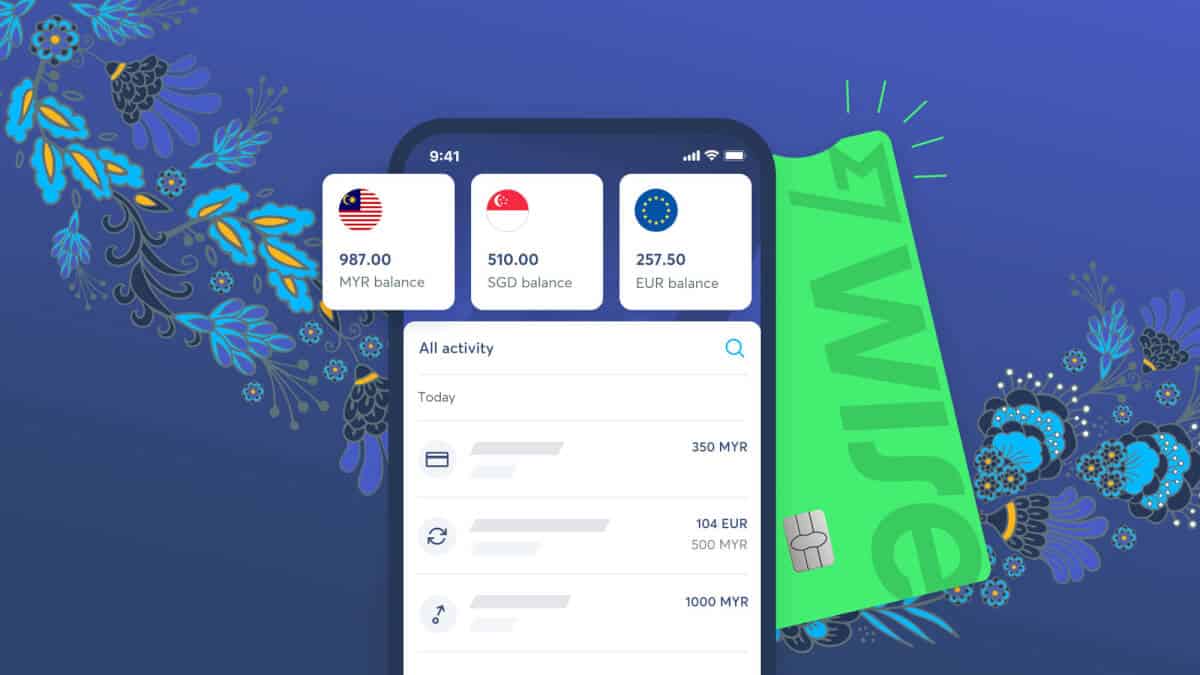
This is where having a multi-currency account can help streamline how you send, spend or receive money. Whether you are using it personally or for business purposes, a global currency account provides added freedom and removes borders.
Here are a few ways on how a multi-currency account and card can help make your life easier.
1. Spend in local currency while shopping internationally
We all know that Malaysians love to shop. When the pandemic hit, many Malaysians transitioned from shopping in malls to online stores, both locally and internationally.
The transition to online shopping was spurred out of necessity but it helped many Malaysians to purchase their favourite items even from the comfort and safety of their homes. However, it can be frustrating when dealing with uncertain conversion rates and hidden fees.
Hence, a great way to navigate this is by choosing to pay in the currency of the country you are buying from – here’s where your multi-currency account comes in. Pay like a local to save on extra fees and get a better exchange rate!
2. Be in control of your finances when travelling abroad
With countries opening their borders after the pandemic, many Malaysians have been hit with the travel bug and are planning their vacations meticulously. As such, if you are looking to travel overseas, owning a multi-currency card will help you to spend in multiple currencies whichever country you are in, with better exchange rates that are often lower than your traditional bank.
You don’t have to worry about fraud as you are always in control when using a multi-currency account, with instant transaction notifications and the ability to freeze your card instantly. You can also spend like a local as you can use your card to withdraw money from your multi-currency account at ATMs worldwide.
3. Get paid like a local even from overseas clients
Top view of woman using laptop computer
Freelancing is a great way to support a lifestyle outside of the traditional office job. For many, it is also an opportunity to work with exciting companies in different countries. It also means having the liberty to go about your day, but at the end of the day, you are responsible for maintaining a continuous flow of work.
Expanding your horizon to regional or global clientele could yield better results and maybe even better pay. But it brings up the question of how do you actually get paid? Most companies seek to pay their freelancers in their local currency.
So that’s where a multi-currency account comes in, allowing you to receive your salary and invoice payments in their local currency, which can then be converted to your local currency for use. No more hefty bank fees or unfair exchange rates on both sides!
4. Manage your overseas property remotely
Once you purchase properties abroad, you may find yourself thinking about the most convenient way to pay utilities, taxes, and other mandatory fees. It is often stressful trying to decipher the uncertain and hidden charges that come from doing a bank money transfer.
After all, no one wants to pay more than necessary, as it would only result in loss of money. This is especially true if you bought the property as an investment and turned it into an Airbnb or event rental space.
A great option to manage these properties is with a multi-currency account, where you can pay in local currency and receive money locally as well, and then convert it into your desired currency when the rates are right. Make it simple and take the hassle out of property management — and save money in the process.
It is important to select a multi-currency account which allows you to hold, receive or convert various different currencies at the lowest rates possible. With Wise, you will be able to enjoy the mid-market exchange rate for transfers, conversions and more without hidden fees. Another
feature to look out for is 3-D secure authentication, which ensures every transaction is safe. So, if you want to make international transactions from the comfort of your home or travel the world to see for yourself, it would be wise to own a multi-currency account.
There are four money personas found across Malaysia according to new research from Wise, a global technology company building the best way to move money around the world, which uncovered that almost half of Malaysians polled are avid shoppers, or “Shopping Pros”, making up 49% of survey respondents, while budgeting geniuses “Financial Controllers” are 38%.
Hidden fee finders “Aunty Powers” are a smaller group at just 12% of Malaysians surveyed, followed up by value driven buyer “Kopitiam Uncles” representing a mere 1% of respondents.
While Shopping Pros and Financial Controllers clearly dominate, Wise’s Don’t Kena Con campaign, which looked to uncover how “wise” Malaysians are with their spending, has determined the majority of Malaysians still have much to learn from Aunty Powers and Kopitiam Uncles on understanding hidden fees and markups while undertaking shopping adventures.
In fact, over one-third (37%) of Malaysian respondents who shop online and spend overseas note they have no idea what the fees and exchange rates are until the transaction is complete. That said, Malaysians show off an impressive understanding of currency exchange, with 60% reporting they know what the mid-market rate is.
Cost-conscious behaviour among Malaysians spurring need for transparency
Aunty Powers and Kopitiam Uncles who seek truth and cost transparency may only make up a small part of the population now, but they’re showing off some influence in Malaysians looking to better understand currency conversions.
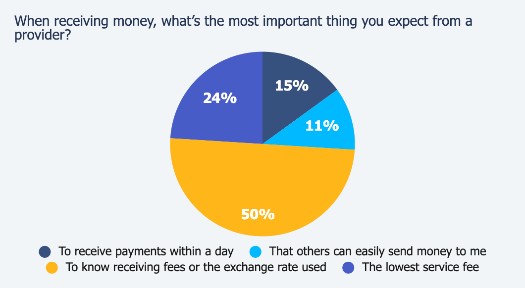
More than half (52%) of all Malaysian respondents have the impression that fintech platforms give the best rates when it comes to foreign exchange, although 38% chose money changers. This may be to their detriment, as half (50%) of Malaysians surveyed want to know if the remittance provider charges a receiving fee or the exchange rate used when receiving money from overseas.
Plus, close to a quarter of respondents (24%) said having the lowest service fee was the second most important thing they expect from a remittance provider.
Given the Aunty Power’s ability to sniff out the prawn behind the rock, many Malaysians still have a lot to learn when it comes to understanding hidden fees, and it’s clear that transparency in fees is something consumers are increasingly looking for.
An earlier independent research commissioned by Wise[1] found that Malaysians had spentRM 10.5 billion in total card fees[2] when shopping overseas from 2015 to 2020 and RM 1.5 billion[3] was paid in transaction fees and hidden exchange rate markups yearly when shopping overseas.
Malaysians are Shopping Pros first, but Financial Controllers keep a keen eye on spending
When it comes to shopping overseas, the Shopping Pros show off their strategic buying capabilities with strong preferences for digital payment methods. Malaysians surveyed choose to use their credit card (39%), followed by debit cards (22%), multi-currency cards (20%) and cash (20%).
Given how many Malaysians use their credit cards when shopping, it’s encouraging to see that two-thirds (69%) are aware when it comes to shopping in a foreign currency with their credit card, they pay more than just currency conversion fees.
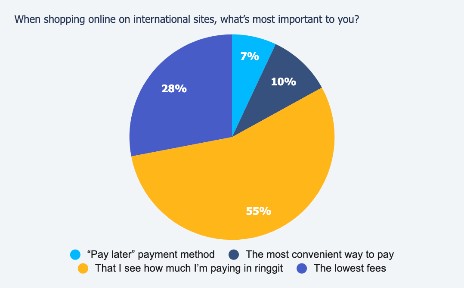
Still, the Financial Controllers are still looking to keep budgets intact and spending on track, as 28% of shoppers noted that whether they are paying the lowest fees is the most important factor of consideration when spending on an international site, and 55% want to know the total cost of the purchase in ringgit.
Importantly, to feel more secure when spending money overseas, Malaysian respondents say they want to know they are protected from fraud (40%), the total amount they have spent (37%), and the exact fees they have to pay (15%).
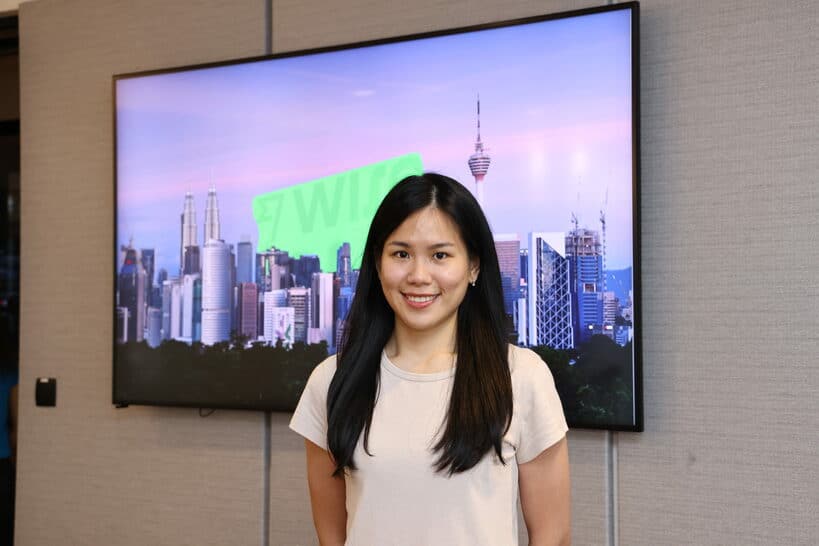
Lim Paik Wan, Malaysia Country Manager, Wise, said: “As international e-commerce and shopping continues to grow in popularity across the country, Malaysians need solutions that will help them navigate hidden fees and provide an easier way to make international purchases. We know from our research that transparency and convenience are paramount to Malaysian consumers, which is why we’re proud to offer our multi-currency account and card to anyone who needs a better solution for their spending needs. Malaysian shoppers should be able to put their hard earned money toward their purchases, not hidden fees, and we hope they take their financial savvy even further by using Wise.”
The Don’t Kena Con research was conducted from 15 December 2021 to 18 March 2022. It encompasses a sample size of 672 respondents who identify as Malaysian and non-Malaysian. Responses were collected online from the How Wise Are You About Money? Quiz.
About Wise
Wise is a global technology company, building the best way to move money around the world. With the Wise account people and businesses can hold more than 50 currencies, move money between countries and spend money abroad. Huge companies and banks use Wise technology too; an entirely new cross-border payments network that will one day power money without borders for everyone, everywhere. However you use the platform, Wise is on a mission to make your life easier and save you money.
Co-founded by Taavet Hinrikus and Kristo Käärmann, Wise launched in 2011 under its original name TransferWise. It is one of the world’s fastest growing, most profitable tech companies and is listed on the London Stock Exchange under the ticker, WISE.
13 million people and businesses use Wise, which processes over £8 billion in cross-border transactions every month, saving customers over £1 billion a year.
Appendix A: Four money personality types — which one are you?
Shopping Pro
Shopping is always the highlight of your travels abroad. You’re quick to spot the best buys, and even faster to snap them up. You know where the hottest sales are and what cards to swipe with to snag your new favourite buy. Your internet browser has bookmarks of all your favourite shopping sites, and you value speed above all.
Financial Controller
You keep a firm grip on the purse strings. Often the one in charge of money matters in your household, you ensure the bills are paid on time so that the wifi stays connected and Netflix keeps streaming. You’re always on the lookout for financial tools and services that offer convenience and efficiency while helping you to reduce costs.
Aunty Power
Your superpower is seeing through hidden agendas. If a deal sounds too good to be true, you poke and prod until you’re satisfied it’s legit. RM3.99 is RM4.00 lah! You actually read all the terms and conditions and ask as many questions as possible before committing.
Kopitiam Uncle
You look for quality, not Insta-worthy. You don’t go for designer coffee and prefer the humble kopi O from your regular kopitiam. You just want the simple and honest truth — what are you offering me and how much do I need to pay? Your life motto is less frills, more value.
[1] Independent research conducted by Capital Economics in June 2021 for the period between 2015-2020 on fees related to overseas card spend.
[2] These fees include card ownership and miscellaneous fees, transaction fees and exchange rate margin fees.
[3] Yearly average calculated from the total amount on card transaction fees and exchange rate margin fees only on overseas card spend from 2015 to 2020