Category: lifestyle

  • The Smart Investor’s Guide to ESG

    With trends, some have their 15 minutes of fame, and others are here to stay. Environment, Social, and (corporate) Governance (ESG) seem to be the latter, in that it encompasses many vital points in your daily living, down to the finest detail.

    Before the pandemic, the three letters ‘ESG’ were not as widely known and used by businesses, even more by investors in the local space. It was only when the world as we knew it was upturned by forced closures, bankruptcy, and unsustainable businesses that companies began to look at these three key points, and so did investors in return. 

    Gone are the days when keeping tabs on the performance of stocks in the market was enough for the average investor. More investors are taking into account the part they play in socially responsible investing, or sustainable investing. ESG issues are real-world problems, and investors want to put their money where their mouth is – by seeing their hard-earned money go into places that bring good impact, and not contribute to the problem. 

    With that, what is the importance of ESG when it comes to influencing one’s choices in investing, and how important is ESG investing in the bigger picture?

    Money growth investing
    Putting your money where your principles are – ensuring the companies you invest in are ESG-compliant. | Credit: nattanan23 via Pixabay

    ESG is present in our everyday life 

    One of the barriers to decision-making is usually a lack of understanding. Asking the man on the street about their knowledge of ESG may result in confused responses along the lines of “something that only bigger corporations need to be concerned about”. 

    If ESG investing comes off as a concept that is too ‘big corporate’ to grasp – breaking it down into its three elements (environment, social, and governance) in everyday terms is a good start. Would you invest in a company that is known to pollute the waters or atmosphere with toxic gases at the expense of profit? Can you turn a blind eye to corporations that run sweatshops manufacturing t-shirts retailing at $500? How about buying stocks at an investment bank infamous for helping others launder money in offshore accounts?

    Whether or not we are aware of these issues, or choose to advocate against them – these three elements are key points that every business needs to consider to not just survive but also thrive. As more investors are standing up and paying attention – silence about such issues is almost regarded as compliance.

    Investing in ESG-compliant companies empowers us to keep them accountable 

    It is one thing to talk about current issues plaguing the planet, but can businesses walk the talk? Major corporations with sustainability arms pledge their commitment to the environment, their support for a community, or merely just promise their transparency – and investing in these companies allows us to hold them to their word. 

    Even if these pledges are a corporate stance for good publicity – shareholders and investors can pressure them into taking action and making better decisions. Consumers, too, are now making conscious decisions to support brands or companies whose values align with theirs. These campaigns are a message from the companies to consumers that they are walking the walk. In turn, it gives consumers a vested interest in where they are putting their hard-earned money. 

    Environment protection
    Climate change and the environment is one of the bigger factors for big corporations to invest in when it comes to their business practices. | Credit: AndreasAux via Pixabay

    ESG investing helps us to look at the bigger picture

    In today’s rapidly evolving and volatile economy, it can be difficult to determine where our investments will end up in the next month, and what more in the next 5-10 years. However, with an ESG compliance or framework in place, companies can manage and future-proof their organisations against risks that could crop up in the future. This includes risks such as climate change (E), social welfare (S) and loss of shareholder confidence (G) in business practices – all of which could jeopardise financial standings. 

    As a result, these companies will be able to see fewer disruptions, downtime and see better financial results in the long run. ESG on its own is a long-term goal, where the benefits and rewards are reaped by putting in the hard work now, thus giving us the opportunity to take a step back and evaluate how our choices today will bring about a changed tomorrow. 

    ESG reporting is still evolving 

    Just last year, PwC together with MICPA (The Malaysian Institute of Certified Public Accountants Malaysia) ran a survey on investors’ impressions and expectations of ESG in Malaysia. One of their key findings was that only 3% of respondents agree that the current reporting of ESG in Malaysia is good – demonstrating the need for bigger-picture reporting and the call for consistency. 

    For now, one of the more well-known points of reference is the Bursa Malaysia FTSE4Good Index, which lists and ranks Public Listed Companies (PLCs) according to their compliance with ESG-related principles. Done in accordance with FTSE Russell ESG Ratings Methodology, it aims to support investors in making ESG investments in Malaysian-listed companies, encourage best practice disclosure and support the transition to a lower carbon and more sustainable economy. 

    The list of these companies in the index is also available to the public, so you can view each company’s current status (at the time of writing, the website is updated as of December 2022) as a reference. Some corporations have also pledged their commitment to the Task Force on Climate-related Disclosures (TFCD) – with Bursa Malaysia also providing instructions to assist corporations who attend to join.   

    While this may mean that how companies adopt ESG-compliant initiatives and reporting can differ from case to case, there is still a need for uniform standards and reporting – or else it could leave investors with more questions than they can find answers to in the long run.

    By Grace Lim

    Liked this article? You may be interested in these other articles:
  • Over 700 Vendors Gain Digitalisation Upskills From PLATS

    Over 700 Vendors Gain Digitalisation Upskills From PLATS

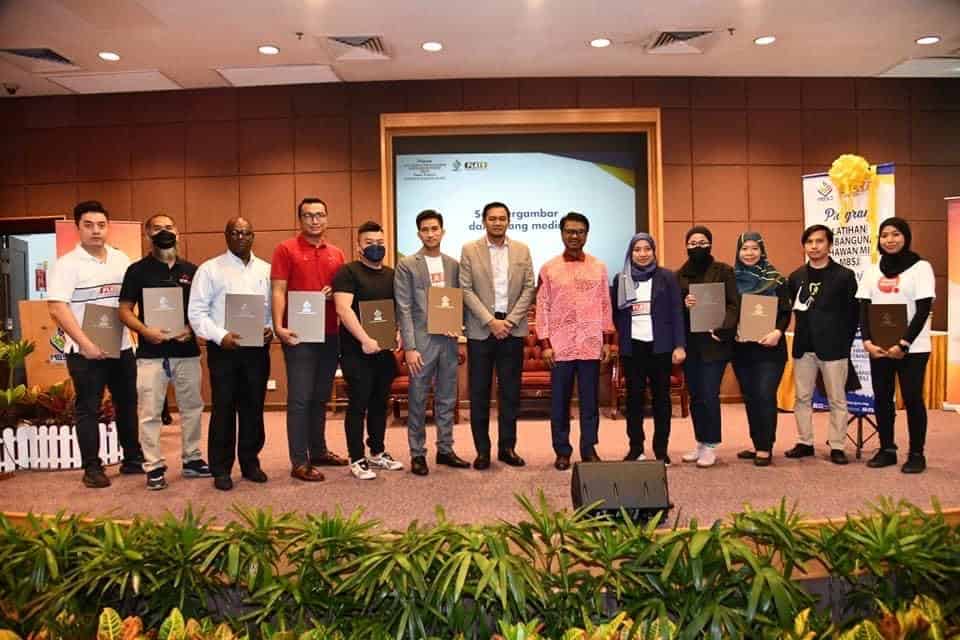
    60 hawkers from Hulu Langat, Selangor joined the latest session of the Selangor Micro Hawkers Development Training Programme held on 27 January to gain digitalisation skills organised by Platform Selangor (PLATS).

    A total of 708 hawkers from across Selangor’s 12 districts have been trained about the impact of digitalisation on the economy by Platform Selangor (PLATS) since August 2022.

    PLATS is an initiative of Permodalan Negeri Selangor Berhad  (PNSB) and Menteri Besar Selangor Incorporated (MBI), and arranging the training is a proactive step by the state to help citizens elevate their business through a digital community platform. It aims to mobilise the merchants, hawkers and grocers.

    The half-day long training – typically conducted with local partners including Maybank, OCBC and the Employees Provident Fund (EPF) – counsels these vendors about the benefits of digitalisation to their business.

    To date, it has benefited individuals from the Selangor Micro Hawker Development Training Programme from Kuala Selangor (80), Subang Jaya (100), 109 individuals from the Kajang programme, and 177 people from the Shah Alam branch. All individuals have received certificates from PLATS to help boost their business.

    In its most recent session, around 50 people from the Kuala Langat Micro Hawker Development Training Programme were involved. In the near future, more trainings will be held in Majlis Perbandaran Klang (MPK), Majlis Bandaraya Petaling Jaya (MBPJ) and Majlis Perbandaran Selayang (MPS).

    “PLATS helps provide a platform for these individuals to grow and move towards the digital world. In doing so, we are confident that these merchants, hawkers and grocers can be more sustainable in the future,” said Y.M. Raja Ahmad Shahrir Iskandar bin Raja Salim, Chief Executive Officer of PNSB.

    He adds that the training programme serves as a foundation for these small business owners to learn – hard skills as well as soft skills – and is the best avenue for them to raise questions in their quest to gain clearer knowledge about digitalisation.

    PLATS’ training comprises topics of managing social media accounts, basic editing of social media posts, management process of online orders, adaptation of Cashless Transactions, basic digitalisation of business, and an introduction to PLATS. There are 12 sections during training and attendees gain awareness and information on their journey towards the modernisation of the economy.

    Y.M. Raja Ahmad Shahrir Iskandar emphasised that PLATS prioritises the growth of merchants and grocers in the state. In future, he said, the programme targets to improve its website: to make it easier and more convenient for merchants and users, as well as trainers and speakers for the training.

    About PLATS

    Platform Selangor – PLATS – is the initiative of the Selangor State Government to support and promote the businesses of hawkers and other small merchants. This digital directory of merchants was mooted in 2020 with the launch of the PLATS e-bazaar, Malaysia’s first ever digitalised Ramadan bazaar.  Following this, the PLATS 2.0 efforts in 2022 has seen it become Selangor’s digitalisation platform catalyst for small business owners. 

    For more information on PLATS, visit the website at www.platselangor.com

    About Permodalan Negeri Selangor Berhad – PNSB (www.pnsb.com.my)

    Permodalan Negeri Selangor Berhad, or as it is more widely known, PNSB is a Selangor State Government subsidiary, under the supervision of Menteri Besar Selangor (Incorporated) or MBI.  As a subsidiary organisation of the Selangor state government, PNSB focuses on real estate development as its core business, developing residential and commercial property as well as housing estate and townships that are sustainable and affordable in Selangor and the Klang Valley.

    Through its subsidiary, PNSB offers insurance service via PNSB Insurance Brokers Sdn. Bhd. (PIBSB), project management consultancy services via PNSB Management Consultancy Sdn. Bhd. (PMC), mining activity through PNSB Trading Sdn Bhd (PTSB) and aeronautical exploration services via PNSB Aero Frontier Sdn Bhd. With its mission to diversify its business, PNSB also intends to seek opportunities to work with investors through its subsidiary, PNSB Investment Venture Sdn. Bhd. (PIV).

    PNSB also plays a vital role in carrying out corporate social responsibility obligations as it is a government subsidiary with conscience taking an active role in corporate social responsibility (CSR) on behalf of the Selangor state government and as well as for PNSB itself.

    About MBI

    Menteri Besar Selangor (Incorporation) was established under the Selangor Menteri Besar Enactment (Enactment No: 3 1994) on 21 September 1994. MBI Selangor is a body established specifically to administer the management of assets and investments belonging to the State Government in carrying out activities business that is outside the jurisdiction of the State Government. MBI also plays a role in promoting and supporting the development efforts of the State of Selangor in addition to fulfill social responsibility obligations to the community For more information on MBI, visit the website at https://www.mbiselangor.com/ms/

  • Digitalization Is Your ESG Enabler

    Digitalization Is Your ESG Enabler

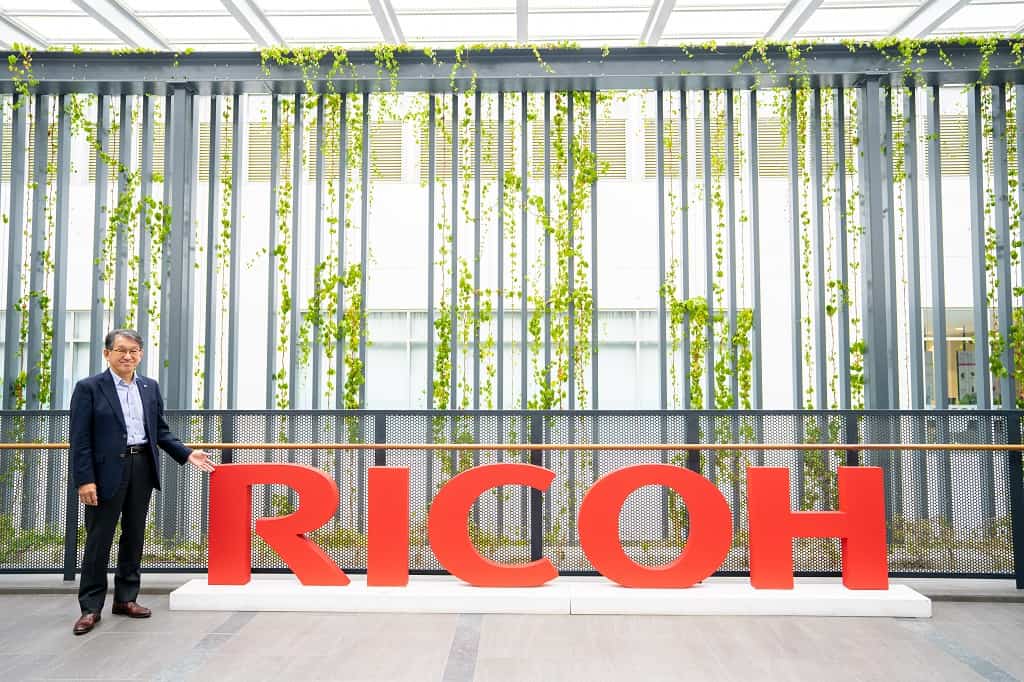
    Mr. Jake Yamashita, President and CEO of RICOH, paid a visit to RICOH Malaysia’s newly renovated headquarters in Shah Alam today. This marks a number of milestones for the company, including Ricoh’s smart office transformation, which has catapulted the company into a new era of digitalization, as well as Yamashita’s first visit to Malaysia from Japan. To acknowledge this gracious occasion, RICOH Malaysia held an exclusive roundtable discussion for the media to highlight the importance of digitalisation and Environment, Social and Governance in the workplace.

    Accompanying Jake on the panel was Joji Takunaga, Managing Director of Ricoh – Asia Pacific + Latin America and Steven Burger, General manager of Ricoh – Asia Pacific + Latin America. The afternoon was addressed by Alice Lee, Managing Director of Ricoh (M) Sdn Bhd.

    Many topics were touched during the panel discussion which included Ricoh’s new approach to the ever-changing world which is to assist businesses make a seamless digital transformation towards their goals in achieving genuine ESG. 

    From left Joji, Jake & Steven at the Media Roundtable

    Jake’s visit to Malaysia is intended to address several issues that RICOH and the majority of companies globally are facing – the need for digital transformation. RICOH Graphic Communications, RICOH Industrial Solutions, and RICOH Futures are all important players in the digitalization of workplaces, because these business sectors frequently engage in advanced technological and conceptual areas.

    Jake claims that many people associate Ricoh with copiers or the environment. He stated that he appreciates this because it demonstrates the collaborative efforts of RICOH management and employees over the years. Since 1998, RICOH has advocated environmental management, and its cumulative efforts in a progressive approach to environmental, social, governance (ESG) have been the reason customers and dealers worldwide choose RICOH as their preferred partner. Because of this, RICOH refers to ESG as future finance.

    The adoption of digital technologies and their potential to influence ESG priorities are becoming increasingly convergent. Improved data collection, reporting, and analysis will have the biggest impact right away and will benefit every part of the business. Additionally, finance and treasury organisations are adopting next-generation technology, including cloud infrastructure, robotics for shared service centre operations, artificial intelligence (AI), machine learning, and blockchain to digitise supply chains. They are also deploying new data and collaboration tools to achieve important objectives like regulatory compliance, data protection, workforce productivity, and much more.

    The secret to effectively using digital technology as an ESG enabler is to ensure that a comprehensive strategy is in place with collaboration across an ecosystem of partners, including businesses, governments, banks, multilateral organisations, and other third-party providers, who can offer solutions and share information in pursuit of important goals.

    Mr. Joji Tokunaga, Managing Director, Ricoh APAC & LA, at the Asia Pacific Central Refurbishment Center that refurbishes Ricoh hardware and give them a new lease of life

    “When we decided to become a digital services company focused on the world of work, some people wondered if we were abandoning our manufacturing roots. Some businesses have undoubtedly adopted a strategy of outsourcing hardware production and focusing on services. Our approach, on the other hand, is to collaborate with customers. Edge devices are critical to achieving our objectives,” Jake explained.

    People generate a wide variety of data at work. It is crucial to extract the required and important data from the massive volumes that are produced. The effectiveness of analysis and artificial intelligence-based work is increased by high-quality data. Jake continued, “It will be challenging to create an ecosystem where data can add value. Even if you build a great platform, without good edge devices, you will only get meaningless information. This is where the RICOH Smart Integration co-creation platform comes into play.

    Jake believes that people must be innovative, generate useful ideas, and broaden their perspectives because they are at the centre of all work processes. It is essential to make artificial intelligence, systems and networks, and other digital platforms more approachable, accessible and user-friendly for people because they are analogue beings living in a world that is becoming more and more digital. “I think the Ricoh Group can pull this off”. Although AI and other machines have historically had limited capabilities, Jake suggested that as they have advanced quickly, the possibilities have greatly increased too.

    Robotic Process Automation (RPA) was implemented by RICOH in 2018. They started re-evaluating the duties that employees should carry out as they overhauled their business processes. Consider the possibility that one business process can be automated by a single robot. Will the other 50 workers be idle if 70 robots and 50 employees can complete the work that 100 people previously handled? Should we be pleased that we can reduce labour costs by half?

    Mr. Jake Yamashita, President & CEO, Ricoh Ltd. a strong advocate for ESG highlighting Ricoh Malaysia’s in-office recycling efforts

    “No. We should be delighted to have freed those people up to take on new and creative work. We should invest in educating and reskilling these people accordingly”, affirmed Jake.

    “I would be thrilled if customers were to realize that Ricoh is always there for them, willing to assist them with their work needs. Of course, we take pride in the fact that we have always supported our clients, and we intend to keep doing so while harnessing the power of digital technology to address their issues and remain accessible to them, assisting them with digital transformation and their advancement towards their ESG practices. We will make an effort to focus all investments, development of human resources, and management decisions on achieving that objective, and we will keep working to provide top-notch goods and services.

    We are boldly taking on new challenges with our eyes fixed on the opportunities that lie ahead precisely because we are all generally going through a difficult time. The Ricoh Group will keep working to achieve Fulfilment through Work so that our stakeholders will continue to hold high expectations for our efforts”, Jake concluded.

    About Ricoh

    Ricoh is empowering digital workplaces using innovative technologies and services that enable individuals to work smarter from anywhere. With cultivated knowledge and organizational capabilities nurtured over its 85-years history, Ricoh is a leading provider of digital services, information management, and print and imaging solutions designed to support digital transformation and optimize business performance.

    Headquartered in Tokyo, Ricoh Group has major operations throughout the world and its products and services now reach customers in approximately 200 countries and regions. In the financial year ended March 2022, Ricoh Group had worldwide sales of 1,758 billion yen (approx. 14.5 billion USD).

    For further information, please visit www.ricoh.com

  • It Is Everyone’s Business To Be Breast Health Aware

    Breast cancer conjures images of disfigurement, pain, and all things negative, yet it is highly treatable if discovered early and given timely and appropriate treatment. Early discovery also means the overall treatment may be simpler, less costly, and more effective.

    The exact cause of breast cancer is unknown. Many of the risk factors are those we cannot change— such as being born female, getting older, having dense breasts (a feature best seen on mammograms), and inheriting certain gene changes (although genetics only causes 5-10 per cent of cases).

    “Early detection is the best protection.”

    – Ranjit Kaur Pritam Singh, Board Member of Reach to Recovery International

    So How Do We Go About Discovering Cancer Early?

    Understanding and getting to know your breasts’ characteristics and appearance is the first step towards being breast health aware, and this applies to both men and women. In the ideal situation, one examines one’s own breasts systematically once a month, about 3 days after menstruation ends, or in those who are menopaused or who are male, on the same date each month. Ladies older than 18 years can begin this self-familiarisation process.

    If you feel or observe something of concern in your breasts, and it persists after two menstrual cycles, please see your doctor. For those who are menopausal or male, please see your doctor without too much delay. While we might be worried about getting breast cancer, worrying does not make cancer go away. Instead, you may be wasting precious time. Good news, ladies, most abnormalities felt (commonly a lump) are not cancerous.

    The Routine Procedure That Can Save Your Life

    As a woman gets older, an annual clinical breast examination (by a doctor or breast care nurse) may be added to her routine. If you are female, even if you feel nothing wrong in your breasts, consider a screening mammogram once you are over 40 years old, when the risk of getting breast cancer has increased enough to make screening useful.

    Then get it done regularly at one or two year intervals. Screening means getting a mammogram even when you do not feel or see anything wrong with your breasts. A mammogram can detect cancer before you can feel it, which means early discovery.

    “Cancer is just a word. With the right mindset and support, we can thrive beyond imagination.”

    – Kim Lim President of Breast Cancer Welfare Association Malaysia

    The mammogram is a series of special low dose X-rays with the breasts in optimal compression. The standard mammogram is made up of two views per breast. The 3D mammogram obtains a series of low dose X-rays in an arc for each view. This produces many images, each with less overlapping breast tissue, thereby improving the ability to pick up abnormalities.

    The mammogram does not have a 100 per cent cancer pick up rate. The ability to detect cancer depends on several factors. This includes each person’s unique breast tissue pattern and density (proportion of fat in relation to the fibroglandular tissue). Therefore, it is important to keep your old mammograms for comparison to improve detection and accuracy rates. Despite these factors, the mammogram continues to be the gold standard for breast cancer screening.

    Now is the time to take charge of your own health.  Remember, early cancer discovery saves lives.

    About the Author

    Dr Evelyn LM Ho is a Consultant Clinical Radiologist at ParkCity Medical Centre; Technical Advisor -Breast Cancer Welfare Association Malaysia; and Immediate Past President – Asian Oceanian Society of Radiology.

  • Manulife And World Economic Forum Announce Global UpLink Innovation Challenges To Spur Nature-based Solutions To Climate Change

    Manulife and the World Economic Forum (“the Forum”), announced the launch of two Innovation Challenges in 2023 through UpLink, the Forum’s open innovation platform. The partnership was announced at the Forum’s Annual Meeting in Davos and aims to engage ecopreneurs and partners to help them scale new and innovative ideas and ventures.

    The two UpLink Innovation Challenges will unlock solutions that stem from, and are aimed at, forests, to galvanize an ecopreneur revolution that will help to safeguard nature, climate, livelihoods, and the well-being of people. Full project details, including eligibility criteria and timelines, can be found on the challenge page here.

    The Sustainable Forest Economy Challenge will aim to source innovative solutions across the value chain from the sustainable management of forests to the production and utilization of wood. A climate smart forest economy approach is critical to protect, maintain, manage, restore, and regrow forests. Applicants can begin applying today through March 1st, 2023.

    The Forests and Trees Improving Human Health and Well-being Challenge will aim to surface innovations fostering improved interlinkages between planetary and human health. Details for this challenge will be made public later this year.

    Biodiversity is degrading faster than at any time in history[1], driving poor environmental, economic, and human health outcomes. This includes the loss of forests, which is destabilizing natural systems. Sustainably managed forests and farms are a critical part of reversing harmful environmental impacts; they sequester carbon, regulate global temperatures and freshwater flows, recharge groundwater, anchor fertile soil, act as flood barriers, and have been shown to enhance mental and physical health.

    Through this project, Manulife furthers its ongoing commitment to continue scaling nature-based climate solutions and investments in sustainable forestry and farmland to help combat nature loss, because collective action is needed to sustain our societies and economies.

    “Our environment is key to human health and wellbeing, and as a global life insurer and asset manager, we see firsthand how damaged ecosystems put livelihoods and economies at risk,” said Roy Gori, President and CEO, Manulife. “Given our position as one of the world’s largest sustainable timberland and farmland investment managers[2], we can support and scale innovative solutions, which are urgently needed in response to the rapid degradation of nature and biodiversity. We are very excited to launch this project with the World Economic Forum and UpLink and want to hear from passionate, big thinkers who can help us address and reverse nature loss.”

    “Innovation is not a nice-to-have, but an essential ingredient in achieving the United Nations’ 2030 Sustainable Development Goals,” said John Dutton, Head of UpLink and Member of the Executive Committee for the World Economic Forum. “We’re proud to join forces with Manulife to source and scale the innovative solutions that will strengthen sustainable forestry, improve wellbeing, and promote nature-based solutions to climate change. This commitment will help to shine a light on the often-overlooked purpose-driven entrepreneurs whose solutions are so urgently needed, giving them the visibility, resources, and expertise they need to tackle the world’s biggest challenges head on.”

    This project builds upon Manulife and the World Economic Forum’s continued partnership. Late last year, Manulife announced a pledge to 1t.org which is the Forum’s Trillion Trees initiative. As part of the pledge, Manulife is aiming to scale Manulife Investment Management’s carbon-focused forestry investments and sequestration of CO2 from the atmosphere through the forests it manages over a period of 5 years.

    Like the 1t.org pledge, this partnership with Uplink aligns to Manulife’s recently announced Impact Agenda, which aims to build business to better the world by making decisions about the future of the firm’s business, rooted in the belief that collective actions drive meaningful change. To learn more about Manulife’s Impact Agenda, and to track progress against its goals, visit manulife.com/impact.

    [1] Based on the “The Global Assessment Report on Biodiversity and Ecosystem Services” released by the Intergovernmental Science-Policy Platform on Biodiversity and Ecosystem Services (IBPES) in 2019.
    [2] RISI, Inc. 2021 data based on top 15 global Timber Investment Management Organizations (TIMO) by assets under management. Manulife pays a subscription fee for access to the database.

    About Manulife

    Manulife Financial Corporation is a leading international financial services provider, helping people make their decisions easier and lives better. With our global headquarters in Toronto, Canada, we provide financial advice and insurance, operating as Manulife across Canada, Asia, and Europe, and primarily as John Hancock in the United States. Through Manulife Investment Management, the global brand for our Global Wealth and Asset Management segment, we serve individuals, institutions, and retirement plan members worldwide. At the end of 2021, we had more than 38,000 employees, over 119,000 agents, and thousands of distribution partners, serving over 33 million customers. We trade as ‘MFC’ on the Toronto, New York, and the Philippine stock exchanges and under ‘945’ in Hong Kong. Not all offerings are available in all jurisdictions. For additional information, please visit http://manulife.com/.

    About UpLink

    UpLink is the open innovation platform of the World Economic Forum, designed to unlock an ‘entrepreneur revolution’ for people and planet by supporting start-ups with innovative solutions for the world’s most pressing issues, as outlined by the United Nations Sustainable Development Goals (SDGs).

    Launched at the World Economic Forum’s 2020 Annual Meeting in Davos in partnership with Deloitte and Salesforce, UpLink builds bridges between entrepreneurs and the investors, experts and partners who can help scale their ventures. UpLink crowdsources new innovations through a competition framework known as innovation challenges. UpLink has now run more than 43 challenges and identified over 350 entrepreneurs with innovative solutions across critical SDG areas including health, food, freshwater, ocean, plastics, education, climate and more. For more information, visit https://uplink.weforum.org

    About 1t.org

    1t.org is a World Economic Forum initiative that serves a global movement to conserve, grow and restore 1 trillion trees by 2030. 1t.org is set up to support the UN Decade on Ecosystem Restoration. 1t.org mobilizes private sector engagement and ambition in forest conservation and restoration, facilitates multistakeholder dialogues in key geographies, and supports innovation, ecopreneurship and youth to incentivize and accelerate restoration. For additional information, please visit www.1t.org.

  • Post GE-15: Malaysia’s Economic Challenges

    The post-electoral coalition between Pakatan Harapan (PH) and Barisan Nasional (BN), along with Gabungan Parti Sarawak and Gabungan Rakyat Sabah, has vividly shown us what “politics as the art of the possible” really means. But what about Malaysia’s economic challenges?

    After all, who would have thought BN, whose legitimacy has been relentlessly challenged since Datuk Seri Anwar Ibrahim’s fall from grace in 1998, would eventually erode when it lost a two-thirds majority in 2008 and the popular vote in 2013 to the Anwar-led Barisan Alternatif. BN’s reign ended with the power shift to PH in 2018.

    At least for now, the seemingly strong coalition with two-thirds majority seats masks a critical fact: nearly two-thirds of Malay voters believe in Perikatan Nasional (PN) as a reliable political party after UMNO when it comes to protecting their interests. Many of them are young, semi-skilled, and reside in rural areas.

    However, whether the shifting landscape of Malay votes is purely ideological and political remains to be observed. Its economic roots should not be taken lightly. Of all the economic dissatisfactions capable of shaping voting preferences, nothing can be more personal and consequential than the low, nearly stagnant, and relatively unfair wage progress.

    Let’s chart out a few hypotheticals.

    Malaysia’s Economic Challenges

    A beautiful shot of the Kuala Lumpur buildings under a cloudy sky at Malaysia

    Let us take an honest, hard look at what Malaysia’s economic challenges mean. Suppose we take 2010 as the year of comparison. In 2021, gross national income expanded by 71%, or 6.45% on average each year since. Going at this speed, the national income would have doubled every 11 years.

    At the same time, half of the wage earners in Malaysia witnessed the purchasing power of their income stall at 22%. It is, at most, better than the individuals in the same income group were 11 years ago.

    Compared to 2010, when the B50 earned RM1,000, their standard of living has only gone up by RM220, or RM22 per year. To double B50’s monthly income after adjusting for the cost of living will take 35 years or more.

    The truth becomes even more obnoxious if we go down the demographic road. Look at the purchasing power of the income for B50, aged 30 to 34 years old, and it is just 11% better over the same period of time, or 1% on average each year.

    In other words, it takes 70 years for a B50 in this age cohort to live one time better than the older generations. Unfortunately, the gross national income is already 64 times higher by then!

    The worst is for those in the younger age cohort. The income of people aged 25 to 29 in 2021 was 4% less than that of the same age group in 2010. This means that they have less money to spend, and this is one of the main issues when it comes to Malaysia’s economic challenges.

    Malaysia’s Economic Challenges: Of Regions And Skill

    Turning to the perspective of regions and skill level, it is perhaps unsurprising to find out that rural and semi-skilled median wage earners, which constitute more than half of our labour force, benefit the least in their categories from the growing economic prosperity.

    Source: DOSM; Author’s own calculation

    Rural residents are 14% better, while semi-skilled workers are 20% better. What’s more surprising is that race doesn’t matter as much as we used to believe. Actual salaries and wages for Bumiputera B50 in 2019 were 65% greater than that of the 2010 cohort, outperforming the 44% advancement for Chinese B50.

    Bumiputera B50, on the other hand, was hit the hardest by the pandemic and had been getting better more slowly. Putting all this together, the lesson is straightforward: not all Malaysians prosper equally. And when they don’t, it instigates a sense of unfairness.

    As economic anxiety and discontent mobilises voters, it must be more than just a coincidence that rural residents, semi-skilled workers, and young voters identified along the racial line, who are losing out in the horse race of prosperity and suffering the most in the pandemic, happen to be bowling with Perikatan Nasional in the most recent general election.

    Against this backdrop, addressing economic anxiety and discontent makes the economic slogan ‘shared prosperity’ meaningful. Perhaps more importantly, it works to break down electoral divisions based on ethnicity, geography, and occupation without using racial rhetoric.

    Bolstering economic growth, though necessary, is no longer sufficient to lift the living standard of the majority. The trickle-down effect of growth is long dead. For this, the Anwar government and cabinet need a paradigm shift in their policy-making philosophy.

    Growth policies shouldn’t stop looking for new growth sectors. Instead, they should make existing products and sectors more complicated. That means investment policies cannot be satisfied by bringing in more foreign direct investment. It will be done by strengthening ties between domestic and foreign companies and giving domestic companies more ways to work with the rest of the world and export.

    That means labor policies shall not be bound by the traditional domain of labor issues when laborers go through the gig economy route and become entrepreneurs. The employer-employee social contract is evolving.

    Welfare policies will be more than just a one-time cash transfer and financial aid for marginalised communities and poor families. It is, in fact, a way for all Malaysians to get automatic protection against risk and a way to share returns. This is done by coordinating cash transfers, tax rebates, unemployment insurance, subsidies, and other programs.

    That also means that government functions shouldn’t be put in separate boxes and that policies should be thought about, designed, and put into place in a way that doesn’t divide them up. It’s true that politics is the art of the possible, the attainable, and the best.

    But don’t get it wrong. A power play for the possible and attainable without pivoting to the economic needs of the people only ends with pushing voters to their next best option.

    “Good politics is the art of bringing the possible and the attainable to the people.”

    I hope the new Malaysian government will take a severe look at Malaysia’s economic challenges and take the right step towards addressing them.

    About the Author

    Wong Chin Yoong is a professor of economics in Universiti Tunku Abdul Rahman, and an external consultant to Max Wealth Group. This article is in collaboration with Max Wealth Education Sdn Bhd, an approved Education Provider for the CFP Certification Program.

  • Talentbank Reveals 140 Top Employers in Malaysia in the Graduates’ Choice Award 2023

    Talentbank recently revealed the winners of the Graduates’ Choice Award (GCA) 2023 – Asia Pacific’s Most Authoritative Graduate Employer Branding Award.

    The event which was held on January 5, 2023 at Sunway Resort Hotel, was officiated by Guest of Honour Datuk Mohammad Yusof Apdal, Deputy Minister, Ministry of Higher Education and Datuk Prof. Dr. Husaini Omar, Director General, Ministry of Higher Education. Also in attendance were Vice-Chancellors from tertiary education institutions including Universiti Teknologi MARA, Universiti Malaysia Perlis, Sunway University, Heriot-Watt University Malaysia, University of Nottingham Malaysia, UOW Malaysia and Multimedia University.

    The GCA 2023 takes into account the wants and needs of more than 23,000 public and private education students – in various aspects – as well as their most preferred employers. The results were vetted by a group of audit members to ensure that the findings were independent and valid.

    “Since its establishment in 2018, Talentbank’s GCA has received more than 200,000 accumulative votes from university graduates, giving the award meaning when it comes to what graduates want in an employer.

    “University and tertiary education students voted for a solid 12 months for GCA 2023 and as we continue to receive an increasing number of votes each year, undergraduates are signalling to the industry on the growing importance of employer branding,” Ben Ho, Chief Executive Officer of Talentbank said.

    He added that without the right employer branding, employers risk not hiring the right talent.

    The Graduates’ Choice Awards, he said, is a big part of an effort to improve Malaysia’s employability landscape. It serves to pave the way for graduates to find their preferred careers.

    GCA’s 2023 survey revealed flexible working opportunities to be a popular attribute for employment besides the value for work-life balance. Salary and bonuses, career development and company culture remain in the top three important attributes and there was a stark increase in graduates expecting salaries ranging between RM3,000 and RM3,500.

    On the topic of career readiness, GCA’s 2023 results found employers rating career readiness among fresh graduates a 6 out of 10, indicating the importance of equipping fresh graduates with adequate skill sets. Based on the results, Talentbank encourages further active engagement between universities and students, while seeking alternative methods to ensure graduates are well prepared before entering the job market.

    “Communication and interpersonal skills rank top in the critical skills employers look for in fresh graduates and besides good academic skills, talents with good attitude are always sought for by employers,” Ho said.

    In his key address, Datuk Mohammad Yusof Apdal commended Talentbank for its effort that corresponds with the ministry’s development of an ecosystem to provide a high-quality education to develop individuals’ potential and meet national aspirations.

    “The private sector has a big role to play in the process of improving our graduates’ employability, while being supported with the right policies to create a sustainable environment. Talentbank plays the conduit through which universities and the industry can form a successful ecosystem linking top employers and graduates,” he said.

    Noting the constant evolution of the job market and skills demanded for in the workforce, Datuk  Mohammad Yusof Apdal said human talents are still pivotal even as the world moves towards a more digital workforce.

    “According to a study by McKinsey, superior talent can be up to eight times more productive. Unfortunately, talent is not easy to come by. Great talent is scarce. The competition to attract and retain talents is becoming increasingly fierce. This is why I applaud Talentbank for starting this journey of recognising the importance of employer branding”.

    “It does not only reward the companies that go above and beyond to build a brand amongst university graduates, but more importantly it provides a fair and robust measurement on which graduates can start researching on their preferred employers and careers,” he said, adding that employer branding can be the silver bullet to attract top candidates.

    “A strong employer brand increases the chances of recruiting the right talents significantly”, the Deputy Minister said.

    The GCA 2023 saw big brands like Maybank, Petronas, Shopee, Google, and Microsoft on the Top 25 list of the 2023 Graduates’ Choice of Employers. Also making the list were Maxis, Shell, EY, CIMB and Intel.

    The brands that have made the list for five consecutive years are: AIA Berhad in the insurance category, Maybank in the banking category, Nestlé in the fast-moving consumer goods (FMCG) category and in the engineering category, Petronas.

    Talentbank also revealed that Sunway Group bagged five Champion positions across nine industry categories while Maybank took three Champion, and made the Overall Champion across the categories. Petronas won three Champion titles in four categories they were listed in and EY clinched two Champion awards in the field of accounting and consulting.

    “We applaud all the winners for your hard work, determination, and the excellence and distinction you achieved in exceptional employer branding in Malaysia,” said Ho.

    About Talentbank

    Established in 2010, Talentbank is an enabler in the employability ecosystem, focused on producing career-ready candidates and providing them with better career paths by connecting them with industry leaders. Over the last 13 years, Talentbank has helped tens of thousands of graduates in finding their feet post-graduation. Talentbank also assisted hundreds if not thousands of employers in hiring talents from universities nationwide. This list includes the likes of Maybank, Petronas, Shopee, Maxis, Shell, EY, Huawei, CIMB, Shopee, Intel and many others.

  • How Technology And ESG Making The World A Better Place

    How Technology And ESG Making The World A Better Place

    Environmental, social, and governance (ESG) are gaining momentum and becoming the talk of the town worldwide, including in Malaysia. We are committed to becoming a nation with net-zero greenhouse gas emissions by 2050, and it needs a concerted effort by the government and the private sector.

    Smart Investor spoke to an industry expert, Ben Lim, to learn more about how technology and ESG are making the world a better place. Ben is Epicor Malaysia’s Senior Country Manager with ten years of ERP (Enterprise Resource Planning) experience.

    Epicor Software Corporation equips hard-working businesses with enterprise solutions that keep the world turning. For almost 50 years, Epicor’s customers in the automotive, building supply, distribution, manufacturing, and retail industries have trusted Epicor to help them do business better.

    Ben Lim, Senior Country Manager, Epicor Malaysia

    How Technology And ESG Making The World A Better Place

    Smart Investor: What does ESG mean to you, and why is it important to your business?

    Ben Lim: ESG for Epicor is about understanding how we can help our customers better understand their environmental waste data, such as reduced energy consumption and carbon emissions, and support our customers’ social interdependencies, such as data hygiene and data security. Epicor helps companies improve hiring and onboarding best practices and logistics to achieve their business goals.

    Progress on ESG initiatives is taking place at many levels, with businesses increasingly looking to strengthen their brand reputations through environmentally sound organisational practices. Cloud computing is uniquely positioned to help businesses save energy, reduce waste, and adopt sustainable business practices that support a healthier environment. Epicor’s customers in Malaysia can do just that.

    Epicor has researched the opinions of technology decision-makers on their opinions and benefits of cloud computing with regard to their organisation’s sustainability objectives. Overall, the research results point to a positive trend when it comes to prioritizing sustainability within the corporate agenda.

    An overwhelming 93% of IT decision-makers surveyed named sustainability as their focus area, with 41% saying it is a key focus area.

    SI: How do technology and ESG impact your industry?

    BL: A recent quote from Gartner summarizes the importance of sustainability and the impact it has on our industry, stating: “By 2025, 40% of all manufacturing company IT departments will own the responsibility of data modelling for sustainability and net-zero carbon targets”.

    Malaysia has also committed to achieving carbon neutrality by the year 2050. This highlights the urgency for IT departments to start taking ownership and looking both internally and externally at how they can help to achieve this goal.

    Clear evidence of this necessity is the increase in customer type and the need to understand more about how to achieve better consumption rates. Customer migrations are another important impact, including the reasons behind it.

    SI: What are the key factors for a successful technology and ESG deployment?

    BL: Cloud computing can have a direct and positive effect on sustainable operations, particularly when it comes to running IT daily operations, offices or facilities. This includes digitizing paper-based communications with cloud-based electronic document signature solutions to simplify the process, reduce reliance on paper and minimize environmental impact.

    Complex manufacturing systems and data flows are monitored and controlled for improved efficiency in operations. This ultimately results in the maximization of resources and the reduction of resource wastage which reduces adverse effects on the environment.  All of this is right in the wheelhouse of Epicor, being an ERP software as a service (Saas).

    Another key factor for successful deployment is a clear understanding of the industry, its processes for which areas that need improvement can be identified and the right solutions (not just immediate/quick fixes but also fit for the future. (i.e. workforce gaps, automation on the factory floor, production processes, and measurement/consumption of energy deployment needs to be about industry expertise and then having the right solutions now that are also fit for the future).

    About half of the IT leaders surveyed (47%) believe they can reduce paper wastage through digitization efforts, and 42% believe that cloud computing will significantly reduce IT hardware wastage within their organisations.

    SI: What are the key trends you see gaining traction for technology and ESG?  What are the areas of growth amongst the pillars to look at in 2023?

    ESG, Environmental, Social and Governance printed in blue with two rubber stamps over white background. Corporate responsibility concept.

    BL: The Covid pandemic has momentously shifted working patterns for good, with the growing number of employees working remotely from home, either permanently or part-time, as part of a hybrid model. Cloud computing acts as an enabler for the distributed workforce and ‘work from anywhere’ practices. However, the environmental impact of remote work is not as easy to measure.

    The worsening global climate crisis and conflict in Ukraine are propelling complex risks, and organisations need to be aware of how these risks affect their businesses and help management plan strategically and tactically. Climate and geopolitical issues should be a permanent part of a company’s enterprise risk management.

    The traditional shareholder-centric capitalism of the past half century is giving way to a broader set of shareholder considerations, expectations, and interests where employees, customers, regulators, suppliers and others are playing more important roles.

    SI: How do technology and ESG trends shape Epicor as an organisation and its services?

    In Malaysia, we are witnessing manufacturing companies become more observant of how their data is being collected and a trend where data is being managed via a formal energy intelligence system, connecting executives to the day-to-day tactical operations to achieve the strategic business goals that include ESG. One of the key solutions that Epicor heavily invests in is the Epicor Manufacturing Execution Systems (MES) which collects data from shop floor resources such as machines and operators.

    On the factory floor, the complex manufacturing systems and data flows are monitored and controlled for improved efficiency in manufacturing operations. This ultimately results in the maximization of resources and the reduction of resource wastage which reduces adverse effects on the environment.

    SI: How has Epicor Software helped improve many organisations with their software?

    Image by Freepik

    Epicor solutions fit very well for organisations that Make, Move & Sell. The Manufacturing, Distribution and Services industries are the three key industries that Epicor focuses on in Malaysia, and we have helped these organisations harvest exponential growth and improve their bottom line.

    We are proud to have worked with Solarvest Holdings Berhad, one of Malaysia’s market leaders in the growth of the solar photovoltaic energy industry. The implementation of the Epicor ERP, Kinetic, has aided Solarvest in boosting their productivity and their capability to take on more projects than they were previously.

    According to their CEO Davis Chong, Solarvest may have only been able to commit to 30 projects in a year but with the support of Epicor Kinetic, the company is now able to take on as many as 100 projects a year.

    SI: How can Epicor help or contribute to Malaysia’s SME digital transformation?

    Image by rawpixel.com on Freepik

    BL: At Epicor, we’ve built our reputation on knowing exactly what our customers need. According to the OECD (Organisation for Economic Co-operation and Development), research has indicated that 70% of SMEs have intensified their use of digital technologies due to COVID-19. SMEs are one of our key markets, and implementing ERP as part of their digital transformation is a key success factor for our SME customers’ growth.  

    We work hand-in-hand with our customers to better understand their businesses and industries to deliver market-leading industry productivity solutions and practices via Enterprise Resource Planning (ERP) Software to solve our customers’ real business problems and provide seamless customer experiences.

    Epicor in Malaysia has successfully assisted SME organisations in the following industries: metal/steel services, industrial machinery, electronics, medical devices, automotive, F&B, engineering, and chemical.

    Now you know how technology and ESG make the world better.

  • 5 Tips To Help You Set And Achieve Your Financial Goals

    5 Tips To Help You Set And Achieve Your Financial Goals

    Have you ever set goals for yourself but failed to meet them? It may be to start exercising, investing, spending more time with your family members or loved ones, or whatever goals you may have.

    You set goals at the start of the year but did not follow through in the following weeks or months. You only realize your goals as year-end approaches.

    A study by Martin Oscarsson published online in 2020 on large-scale experience with New Year’s Resolutions found that 55% of the respondents successfully sustained their resolutions at a 1-year follow-up.

    Therefore, it is possible to follow through on your goals by following these five tips to help you set and attain your financial goals.

    Read: Six Golden Rules In Getting Favorable Returns And Growth, When Investing In Unit Trusts

    1. Clarity

    Do you have a clear and specific goal for how much you want to achieve in financial goals?

    It can be measured by savings amount, net cash flow or how much net worth or how much investment portfolio, how many like properties or how much reduction of debt or how much sum insured you would like to have at a certain time frame.

    Clarity is power; having that clear focus on what you want helps give you that clear direction.

    When you use your GPS, whether you are using Waze or Google Maps, the first step is to key in your destination. In your financial planning, you need to know what clear financial goals you want to achieve.

    Read: Should I Take Out My EPF To Settle My Housing Loan?

    2. Compelling Reason

    After you know what you want, the next thing is to know why you want those financial goals.

    “ Reasons come first. Answers come second.”

    – Jim Rohn

    Why do you need to achieve that goal? For what purpose? Is it for yourself or for others?

    Having that compelling reason will pull you toward the goals that you set. You may face certain challenges/obstacles, but your stronger reasons will pull you back to the right track.

    For example, by achieving that financial freedom, what would this allow you to do? Is it to live a comfortable lifestyle for yourself and your family? Is it to travel worldwide and create memories with your loved ones? Is it to start a charitable organisation?

    Read: Where To Invest In 2023: Amidst The Recession And General Election

    3. Consistency

    Consistency is key to ensuring that you are getting closer to your goals. Don’t undervalue the small steps you take every day.

    For example, by saving RM3 per day for 365 days, you will save around RM1,100 over one year. What if you put it in an investment vehicle that grows at a certain percentage?

    For example, someone saving RM500 per month over 35 years with the assumption of an 8% compounded annual return will have over RM1.1 million at the end of that period.

    Read: 5 Easy Steps to Achieving Financial Merdeka

    4. Accountability

    Do you have someone accountable to you who helps you track and guide you in achieving your financial journey, be it your financial planner or someone competent enough to advise you on your personal finances?

    It is like having a mentor or a coach who can advise you on the rights and wrongs.

    Read: 5 Investment Tips For Beginners That You Should Know

    5. Review and Measure

    It is always good to measure periodically; it may be quarterly, half-yearly, or yearly, depending on the duration of those financial goals that you set. Knowing the actual results will allow you to make necessary adjustments to try out different methods to save or reduce unnecessary expenses that contribute to your overall financial goals.

    Once you have your financial goals, the most important step is to take action either to create that investment account opening or schedule that appointment with your financial planner or what would the next things you can do.

    Read: Saving vs Investing, Should I Save Or Invest?

    5 Tips To Help You Set And Achieve Your Financial Goals

    Every new year comes with optimism and new year resolutions. I hope that these tips will be able to help you set and achieve your financial goals.

    About the Author

    Goh Chee Yong is a Licensed Financial Planner under Capital Markets Services Representative License (CMSRL) and Bank Negara approved Financial Advisor Representative (FAR). Prior to becoming a financial advisor, he spent eight years working in Big 4 audit firms and multinational corporations. He is also invited to speak on financial literature at universities and public events. He can be contacted at cygoh@imaxfinancial.com.my

  • Employers! Are You Ready With These HR Changes Effective 1 January 2023?

    Employers! Are You Ready With These HR Changes Effective 1 January 2023?

    Our Human Resource Minister has recently declared that the Employment (Amendment) Act 2022 with these HR changes effective 1 January 2023. It was earlier announced to take effect from 1 September 2022 but was then postponed.

    What Are The HR Changes Effective 1 January 2023?

    Among them are:

    1) Amendment of Section 37 – Maternity allowance increased from 60 consecutive days to 98 consecutive days.

    2) New Section 41A – Restriction on termination of pregnant female employee unless due to wilful breach of a condition of the contract of service under subsection 13(2); misconduct under subsection 14(1); or closure of the employer’s business. (2) Where the service of a female employee under subsection (1) is terminated, the burden of providing that such termination is not on the ground of her pregnancy, shall rest on the employer.

    3) Amendment of section 60A – in subsection (1), by substituting for the word “forty-eight” wherever the word “forty-five” appears – to reduce work hours in a week.

    4) New Section 60FA – Paternity Leave – a married male employee shall be entitled to a paid paternity leave at ordinary rate of pay for a period of seven consecutive days in respect of each confinement. The paternity leave under subsection (1) shall be restricted to five confinements irrespective of the number of spouses.

    Read: Managing Mental Health in the Workplace

    5) New Part XIIc – Flexible Working Arrangement – anything contained in the contract of service, an employee may apply to an employer for a flexible working arrangement to vary the hours of work, days of work or place of work, in relation to his employment. The employee must apply in writing. Employer may reply within 60 days from the date such application is received, to approve, or refuse the application. The employer shall inform the employee in writing of the employer’s approval or refusal of the application under subsection (1) and in the case of a refusal, the employer shall state the ground for such refusal.

    6) New Section 69F – Discrimination in employment, which employer is liable to a fine not exceeding RM50,000 and shall also, in the case of continuing offence, be liable to a daily fine not exceeding RM1,000 for each day the offence continues after conviction.

    7) New Section 81H – Notice on sexual harassment – an employer shall always exhibit conspicuously at the place of employment a notice to raise awareness on sexual harassment.

    8) Blacklisting employers from employing foreign workers for breaches of labour legislations.

    With these HR changes effective 1 January 2023, it seems that employers will be burdened to prepare for the impact the changes will cause their organisation. These includes increase in costs, reduction in daily operation’s efficiency, measuring employees’ performance, disciplinary and financial issues.

    Employers have no option other than to accept the implementation of these HR changes effective 1 January 2023. Otherwise, a fine will be imposed.

    Read: A “Not-So-Great” Resignation: 39% Of Professionals In Malaysia Who Have Thought Of Resigning In The Past Year Didn’t Leave Their Jobs

    Still Reeling From The Pandemic

    Image by pressfoto on Freepik

    Many employers are now beginning to bounce back after facing the pandemic for two years. Just when their businesses are going back to normal, the new minimum salary of RM1,500 came into effect on 1 May 2022, which have stunted their recovery.

    As a HR Consultant, I’ve heard from clients that the current amendments are more lopsided towards the employees, while employers’ plights are not being heard by the Government. There was no proper discussion between the employers to gain their feedback on these matters.

    In the business world, employers play an important part in providing jobs to the community. There are 1.15 million Small and Medium Enterprises (SMEs) in Malaysia, which makes them a special breed and needs to be taken care of. Already there’s a lot of regulations that they have to comply with, failure which will result in fines and jail time.

    Employers should not be underestimated as if they did not plan ahead for the future. They have their employees’ interest at heart, so the organisation can prosper. When the employees perform well, the company makes profit, and benefits will be passed around.

    It is indeed a struggle to keep up with the rise in inflation and interest rates, which affects both employees and employers. It is hoped that the Government will help small companies thrive. As the proverb goes, “Where there’s a will, there’s a way”. There must be a way to create a win-win solution for both parties.

    But as of now, get yourself ready with these HR changes effective 1 January 2023.

    Read: Establishing Diversity, Equity and Inclusion As The Norm In All Workplaces

    About the Author

    Rozina Md Derus is the Managing Director / CEO of Click H & A Consultancy Sdn Bhd. The company started in 2013 and have helped hundreds of business owners, mostly from the young generation who are actively involved in doing business but with zero knowledge in handling their PEOPLE.