Right now, world leaders, climate scientists, and policymakers from across the globe are in Sharm El Sheikh, Egypt, for the Conference of Parties (COP 27). This is the largest climate change conference in the world, and it coincides with a Monash University Malaysia survey led by Dr Azliyana Azhari from the Monash Climate Change Communication Research Hub (MCCCRH) that has shown that 8 in 10 Malaysians are either alarmed or concerned about climate change.
This surveyis the first of its kind in Malaysia and saw over 1000 respondents. According to Dr Azhari the “survey aims to gauge Malaysia’s public perception and understanding on climate change and climate change impacts, alongside understanding the Malaysian audience’s behavioural responses towards climate change issues.”
Dr Azliyana Azhari, Monash Climate Change Communication Research Hub (MCCCRH)
Here’s what the takeaway messages are about what the Malaysian public knows about climate change and climate action. According to the survey, 97% of Malaysians are aware of climate change and understand it is happening. 82% know that human activities cause climate change. 32% believe climate change is presently causing harm to our daily lives, and 35% believe that climate change will cause harm to the Malaysian population within the next decade.
The survey also noted individual actions and the willingness to change.
65% bring their own shopping bags when buying groceries.
63% have switched to environmentally friendly products.
79% turn off electrical appliances and lights when not in use to reduce home energy.
The most common waste management behaviours are recycling (67%) and not openly burning trash (68%).
The behaviours with the most significant proportion of people open to change are taking part in an environmental/climate change campaign (63% would like to or are planning to do this), installing household solar hot water or panels (79% would like to or are planning to do this), and composting kitchen waste (51% would like to or are planning to do this).
With the growing occurrence of extreme weather events resulting from climate change, such as storms, floods, and droughts, at least 60% of Malaysians say that they have been affected directly or indirectly by these events, which leads to affecting their daily lives, health and economic well-being. It is not surprising that Malaysians are getting concerned and alarmed. These findings are stark and timely as the Malaysian delegation meets world leaders at COP 27 to work towards the reduction of Malaysia’s carbon emissions.
About Monash University Malaysia
Established in 1998, Monash University Malaysia is the third-largest campus of Australia’s largest University and the first foreign university campus in Malaysia. Monash University is a premier research-intensive Australian University ranked 44th in the world by the prestigious Times Higher education World University Rankings 2023. A self-accrediting university, the campus offers a distinctly international and culturally rich environment with approximately 9,400 students from 78 different countries.
Monash Climate Change Communication Research Node
The Monash Climate Change Communication Research Hub (MCCCRH) Malaysia Node was established in 2021. It is led by the School of Arts and Social Sciences (SASS) at Monash University Malaysia in collaboration with the Monash Climate Change Communication Research Hub (MCCCRH). It is dedicated to researching climate communications in Southeast Asia. The node brings together expertise in SASS with collaborators in the School of Science in Malaysia campus and the existing team in MCCCRH.
Malaysia is made up of many innovative businesses looking to contribute to the nation with their forward-thinking technology or ideas. If you own a business like this, you’ll need to register your intellectual property if you haven’t already.
Intellectual property (IP) refers to intangible creations of the human intellect – like logos, inventions, publications, designs, slogans, and more. It is a form of property, and they’re integral to your business.
Why Is IP Important?
As a business owner, protecting your business assets like designs and technology is essential to the core services of the business. When you have a great business idea going on, someone may want to duplicate it and profit without your consent. So how can you prevent this?
By registering your intellectual property, of course. Without IP protection, trying to chase up guilty party can be time-consuming, and maybe even fruitless. Registered owners have the exclusive right to use their IP in business. They may also take legal action for infringement, which is when another company or individual uses their IP for their own profit. As a business owner, it is your responsibility to ensure that no one else is mis-using your assets.
IP protection also serves companies with a competitive advantage in the market. For small-to-medium businesses, it is even more important to register your IP so competitors can’t duplicate your success to take away your market share.
Types Of IP
Intellectual Property Corporation Malaysia (MyIPO) is the official government agency that oversees intellectual property regulation in the country. The organization recognizes 6 types of IP. Businesses may register their intellectual property with MyIPO.
1. Patent – A patent is an exclusive right granted for an invention, which is a product or a process that offers a new technical solution to a problem.
2. Trademark – A trademark is any sign that may be represented graphically, capable of distinguishing goods or services of one business from another. Make sure your product qualifies to be within these 45 classes before applying for a trademark.
3. Industrial Design – An industrial design is the ornamental or aesthetic aspect of an entity that appeals to the eye.
4. Geographical Indication – A geographical indication is a sign used on products that have a specific geographical origin and possess qualities or a reputation due to that origin. Sarawak Pepper is an example of a Geographical Indication IP of a pepper-based product produced in Sarawak.
5. Copyright – Copyright is a protection given to authors, copyright owners and performers of their copyrighted work like literary works or broadcasts.
6. Layout-Design Of An Integrated Circuit (IC Design) – A layout design of an integrated circuit encompasses the particular logic and circuit design techniques required to design integrated circuits.
IP Protection Is Not An Option, It Is A Must
Although it is not mandatory, the ideas of business owners who did not register for IP protection are at risk of being plagiarised or worse – registered as someone else’s IP. Someone else may get the rights to use your ideas without permission.
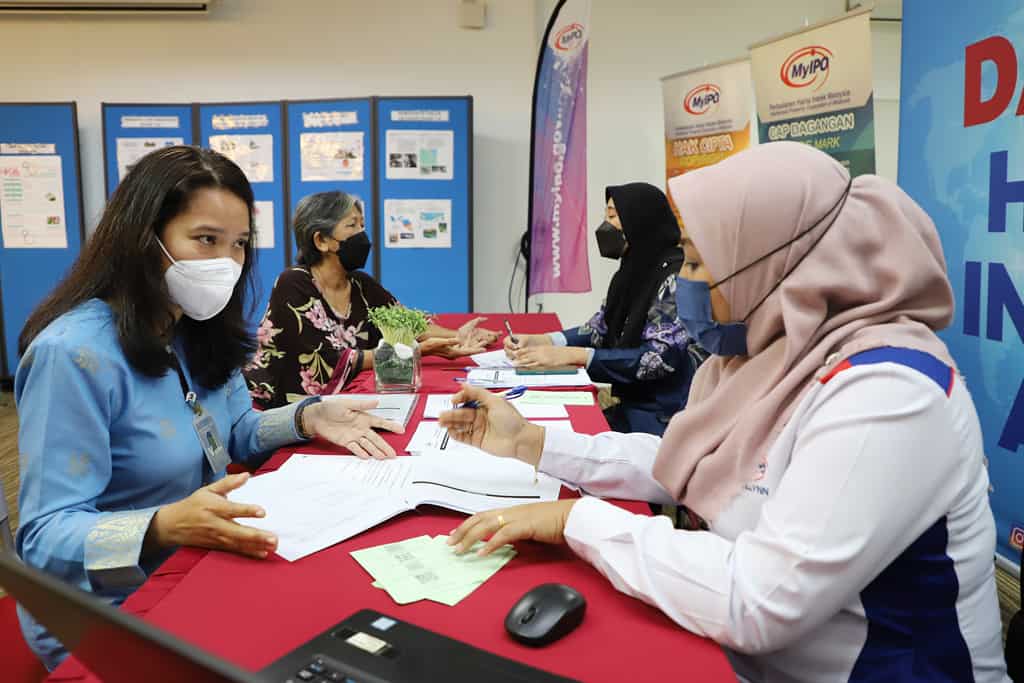
Interested business owners may register for IP protection online or in person at MyIPO customer service counters. Plus, protecting your business assets can actually be quite affordable. For example, trademark registration only requires entrepreneurs to spend RM950 once for 10 years. This means that the trademark will be protected by law for 10 years. After that, business owners may renew their trademarks.
During the registration process, MyIPO will conduct examinations to ensure that the IP is new and not yet owned by any party. They will also take steps to make sure that it complies with the IP acts. The rightful owner of the IP will receive a certificate of proof. If anyone tries to copy your business ideas, you may choose to take legal action.
Protect Your Business Ideas & Assets Today
You’ve spent so much time, effort, and money trying to build your business from scratch. Why not invest just a bit of effort into getting your IP registered?
There are many advantages to having IP protection like officially calling an idea or a product your own. Plus, it helps your business stand out from its competitors. Whether you’re a small, medium, or large organization, IP protection can help your company claim its identity.
Don’t take IP protection for granted, register now with MyIPO at myipo.gov.my.
Experian Information Services (Malaysia) announced its Trade Bureau Industry Debts Turned Cash (i-DTC) study which measures credit repayment data between September 2020 to August 2022. In this analysis, Malaysian companies and small and medium-sized enterprises (SMEs) were examined across seven key industries including: Construction, and Hospitality/Food & Beverage.
Dawn Lai, Chief Executive Officer of Experian Information Services (Malaysia), says “Our i-DTC study examines the impact of the COVID-19 pandemic on Malaysian businesses, both large and small. This together with Experian’s extensive credit data provides valuable data and analysis for future events of a similar nature, giving business stakeholders more actionable insight into the broad measures, both at entity, economic and fiscal levels, to build a more resilient and sustainable economic ecosystem for Malaysia in the face of a more volatile global economy.”
Dawn Lai, Chief Executive Officer of Experian Information Services (Malaysia)
Overview: Malaysian companies and SMEs make broad cash flow recovery
Malaysia’s economy has gone through challenging times because of the pandemic and external factors like geopolitical tensions and the rise in global commodity prices leading to inflation. SME Bank’s inaugural SME Sentiment Index has shown a positive reading of 53.8, which indicates that SMEs are optimistic about the current economic recovery phase, however, many are still in need of financing aid to manage their working capital and struggle with rising operating costs due in part to supply chain disruptions, higher raw material prices and increased labour costs.
Figure 1: Experian i-DTC by months (September 2020 – August 2022)
The average Experian i-DTC on a rolling 12-month basis has reduced (74 days in July 2021 vs 68 days in June 2022). This indicates that there is a broad cash flow recovery for the last 12 months as compared to the same time last year. This is largely due to the opening of the economy in normalising trading activity and strengthening the economy towards recovery and growth.
Malaysia’s gross domestic product (GDP) growth in the second quarter of 2022 rose by 8.9%and this growth momentum is likely to continue in the second half of 2022. In addition, recent official estimates are still buoyant despite inflationary pressures, a weakening Ringgit and trading conditions influenced by geopolitical tensions around Asia and the conflict in Eastern Europe.
Corporations vs SMEs
Corporations have been able to weather liquidity pressures, and their ability to borrow remains stronger than their SME counterparts. Conversely, SMEs have seen a softening of cash flow stresses, but recovery is flat around 72-73 days from May to August 2022. Smaller enterprises remain cash vulnerable particularly with recent inflationary pressures, competition for labour, difficulty in securing loans and the rising cost of borrowing (interest rates).
Figure 2: Experian i-DTC Corporations vs SMEs (August 2021 – August 2022)
SMEs in the Hospitality / F&B sector recorded thebiggest recovery on a YOY (Year-On-Year) basis, with an i-DTC of 89 days over the same month last year (August 2021), improving by 28 days to 61 days in August 2022. The easing of travel restrictions in April 2022 has had a positive impact on both inbound and outbound tourism.
According to CBRE Asia Pacific’s latest report, Kuala Lumpur Hotel Market Outlook & Prospects 2022, more than 3,000 new hotel rooms and hotel suites are slated to open in Kuala Lumpur this year. Also, between 2023 and 2025, 1,260 new hotel rooms will be available. Restaurants, cafes, and those in the food business are also seeing increased foot traffic, improving their sales performance. Liquidity and access to capital remains key to SMEs in this sector as they seek near-term expansionary measures to scale their operations for growth.
On the other hand, corporations in this sector are demonstrating a reverse trend of slower payments in recent months since early 2022. With the country having entered an endemic phase of COVID-19, access to manpower continues to challenge hoteliers, travel agencies, restaurants and cafes in scaling their business to full capacity, despite growing domestic and international demands. Many in the sector have called for the government’s support to expedite foreign worker approvals to meet urgent manpower requirements to drive recovery.
Figure 3: Experian i-DTC Hospitality/F&B Corporations vs SMEs (August 2021 – August 2022)
In the Construction sector, corporations and SMEs benefited from recovery in the sector across the last 12 months. The government has implemented various initiatives to support the construction sector to bounce back from the impact of the global economic crisis. This includes the plan to establish the Public Private Partnership (PPP) 3.0 model, a specialised mechanism to fund infrastructure projects in the 12th Malaysia Plan (12MP) between 2021 and 2025, as well as several incentives to improve employment rates and support businesses.
Compared to a year ago, Construction SMEs have managed to see a 21-day improvement from August 2021 to August 2022. Conversely, the large corporation construction sector has also seen a 34-day improvement over the same period as construction projects and activity resume.
Figure 4: Experian i-DTC Construction Corporations vs SMEs (August 2021 – August 2022)
Dawn Lai, Chief Executive Officer of Experian Information Services (Malaysia), explains: “With global inflationary pressures expected to persist, it is commendable that the government continues to provide support through the many subsidies put forward for Budget 2023 to help Malaysia weather the headwinds. From our observation, monitoring of suppliers, clients and cash flow continues to be important for Malaysian companies to be able to ride through the tides of uneven economic recovery.
Cash preservation will continue to be the focus for smaller Malaysian enterprises where they have less ability to demand preferential credit terms from their clients.”
As outlined by the government in Malaysia’s Digital Economy Blueprint (MyDIGITAL), companies will also need to understand the importance of big data and being data-driven. “This will help SMEs have tangible results and be able to predict their customers’ actions. SMEs can succeed by making a concerted effort to enhance their knowledge, digital capabilities, and managerial practices,” adds Lai.
About Experian
Experian is the world’s leading global information services company. During life’s big moments – from buying a home or a car to sending a child to college, to growing a business by connecting with new customers – we empower consumers and our clients to manage their data with confidence. We help individuals to take financial control and access financial services, businesses to make smarter decisions and thrive, lenders to lend more responsibly, and organisations to prevent identity fraud and crime.
We have 20,000 people operating across 44 countries and every day we’re investing in new technologies, talented people, and innovation to help all our clients maximise every opportunity. We are listed on the London Stock Exchange (EXPN) and are a constituent of the FTSE 100 Index.
Learn more atexperianplc.com or visit our global content hub at our global news blog for the latest news and insights from the Group.
The book title Selling with Consciousness itself spurs a sense of curiosity as the word consciousness is not often associated with selling. One might think the word, “consciousness” is superfluous. After all, isn’t selling a conscious effort?
This is where Olivia Lee’s book stands out from the many other books written about selling. Olivia Lee is not your normal sales lady thriving on pushing her products in the marketplace, instead she uses the Selling With Consciousness method.
The approach she used in Selling with Consciousness has won her a string of awards both for her company as well as for herself amongst which includes the following.
Industry Icon Award 2021 by IR Academy Asia Awards
McMillan Woods Global Awards 2019
The Star Outstanding Business Award (SOBA) 2019
ASEAN Outstanding Business Award 2019-RFID Security Excellence Award
Innovative Excellence Award 2019
Business Dynamism Award 2017
Selangor International Business Summit 2017 – Business Excellence and Innovation Award
The Start Outstanding Business Award(SOBA) 2016
The Brandlaureate SMEs BestBrands Award – 2016-2017 Signature Award
SIRM Quality Award 2013
FMM (Federation Malaysia Manufacturers) Excellence Award 2012 – Manufacturer of the Year
In her book, she explained that her sharing of these numerous awards is not to impress the readers but to impress upon them the effective principles of conscious selling that have enabled her to become a top salesperson in her industry – the casino industry where she sells software and security seals.
She hopes that her sharing of her many years of valuable sales experience can inspire those sales professionals to reach the top in their sales career too. She pointed out that even though the selling field is indeed very challenging, however, there is a better and more effective way to excel.
This is why she wrote this book to share her secrets. In the years of working with all kinds of people from the ground up to the level of founders and top leaders, she had accumulated vast experience and insights regarding the effectiveness of selling in different situations.
She had faced sales rejections and failures. She had come from the depths of despair to achieve top sales in her industry. She explained that she had personally seen salespeople, including professionals who were highly educated and qualified, yet failed to make the grade as top salespeople.
While there are many reasons, here are some of the more poignant ones:
They are not conscious of their weaknesses or flaws
They are task-driven instead of customer-oriented
Their approach is too product-oriented, losing the awareness of the importance of relationship selling
They are complacent and are not up to date on industry trends and their competitors’ strategies and their strengths
They are too inward-looking, focusing on internal issues rather than the industry
They carry too many worries and negativity, thus blocking their effectiveness in selling
Selling with consciousness is the awareness of whatever is happening during the entire selling process from prospecting, researching, preparation, strategizing, presentation, handling objections, closing, and the sales follow-up. The effectiveness of selling comes from moments of total presence, free from the clutter of the mind.
As recommended in her book for sales to be effective, there should be an integration of three critical components that can help achieve a greater sense of selling with consciousness to enable one to be totally present throughout the entire sales process.
The book shares a useful framework for tapping into selling with consciousness as shown below:
Selling With Consciousness Framework
Selling with consciousness framework
The book highlighted that one’s preoccupation with worries about the present as well as the future can affect one’s effectiveness in sales and hence the outcome. Some examples of distractive thoughts often go like these:
What if I said the wrong thing and mess up my presentation?
What if I lose this sale and it would be difficult to get another client with such big potential?
What if the potential client asked me some critical questions and I could not answer them?
Thus to stay on top of one’s field, what is needed is to disengage our thoughts from the distractions of our current worries or concerns about the past and focus on what is at the present moment.
Of course, there is no substitute for the solid fundamentals of the business or work if one is to do well in one’s field. One would need to acquire whatever knowledge and skills that are needed to excel and succeed. Olivia cited the example of one of her earlier jobs where she started as a remisier she had to familiarize herself with all the rules and regulations on all kinds of securities and learned every nitty-gritty of the trade and be updated on developments in specific companies and industries.
She developed her knowledge and skills as a dealer’s representative to the level where at one point she was buying and selling shares for prominent business clients with a portfolio of over RM100 million.
The final component that helps one to focus on the present is embracing positivity which is defined in the book as the engagement of positive thinking, feeling, and actions aligned to a positive outcome. As shared by Olivia, a sense of confidence, calmness, enthusiasm, energy, and aliveness are critical to ensure the best outcome. Such an atmosphere cannot come from a place of negativity. A salesperson must indeed embrace this positivity if he or she wants to succeed.
In essence through the three components of disengaging from the distraction of thoughts, unleashing knowledge and skills, and embracing positivity, one can become totally present and conscious of the whole selling process. One becomes conscious of customer needs, company products, competitors, the company, suppliers, the industries, and of course oneself.
The book also touches on the techniques of meditation in embracing consciousness to achieve inner peace and calm that enables one to tap into one’s inner source of “knowingness” and excel in whatever one does including sales presentation and closing sales.
It is through this experience of total consciousness; a salesperson becomes very focused and effective and hence successful in selling. Read this book and you too can rise up to achieve top sales in your industry, as you begin to understand the power of selling with consciousness.
Dr Victor SL Tan is the Managing Director of KL Strategic Change Consulting Group and the author of 14 books. His passion is in consulting, training and writing. For more information contact him at 0123903168 or email him at victorsltan@klscc.com
The Securities Commission Malaysia (SC) and key agriculture agencies have discussed ways to address financing gaps faced by Micro, Small and Medium-sized enterprises (MSMEs) involved in the agriculture sector in a bid to boost the country’s food security.
Some 40 representatives from agencies and industry players this week attended a workshop called GROW® – a new collaborative programme under SC’s fintech flagship initiative, SCxSC.
GROW® is a collaborative effort by the SC and ecosystem partners to harness the potential of alternative fund-raising digital platforms to meet the needs of underserved players in strategic sectors, such as agriculture.
Equity crowdfunding (ECF) and peer-to-peer (P2P) financing were among the alternative financing mechanisms that were addressed during the workshop as potential ways to help fund the sector.
The SC Chairman Dato’ Seri Dr. Awang Adek Hussin stressed the importance of broadening access to the capital market for local businesses.
“We have seen how technology has democratised financing via digital platforms such as ECF and P2P financing,” he told the workshop. “We believe these alternative financing avenues have the potential to address some of the funding needs of the MSMEs in the agriculture sector as well.”
Senior officials from relevant ministries, agencies and key players in the agriculture ecosystem attended the one-day workshop. They include the Ministry of Agriculture and Food Industry, Federal Agricultural Marketing Authority (FAMA) and Agrobank.
At the workshop, participants called for greater ecosystem coordination to move the agriculture sector forward and strengthen the country’s food security.
They also emphasised the need for greater awareness on the role of alternative financing for the agriculture sector. They welcomed the development of more innovative financing instruments to cater to the diverse agro-business needs.
Following the workshop, the SC plans to have greater industry engagements with key stakeholders next year including organising a GROW® Fintech Conference. This will be followed by a nationwide GROW® roadshow to raise awareness on ECF and P2P financing as viable funding options for agro-based MSMEs to grow their businesses.
These programmes will complement ongoing efforts by the government to support alternative fundraising by agriculture businesses such as the Malaysia Co-investment Fund (MyCIF).
MyCIF, a public-private co-investment vehicle administered by the SC on behalf of the Ministry of Finance, has observed a greater uptake of ECF campaigns in the agriculture sector after implementing a special ratio of 1:2 in 2022 for this sector. MyCIF invests RM1 for every RM2 raised from private investors on the participating platforms by eligible issuers.
It has co-invested in a range of agriculture projects in upstream and downstream activities, including firms applying technology to improve agriculture yields and aquaculture production.
About the Securities Commission Malaysia
The Securities Commission Malaysia (SC), a statutory body reporting to the Minister of Finance, was established under the Securities Commission Malaysia Act 1993. It is the sole regulatory agency for the regulation and development of capital markets. The SC has direct responsibility for supervising and monitoring the activities of market institutions, including the exchanges and clearing houses, and regulating all persons licensed under the Capital Markets and Services Act 2007. More information about the SC is available on its website at www.sc.com.my. Follow the SC on twitter at @SecComMy for more updates.
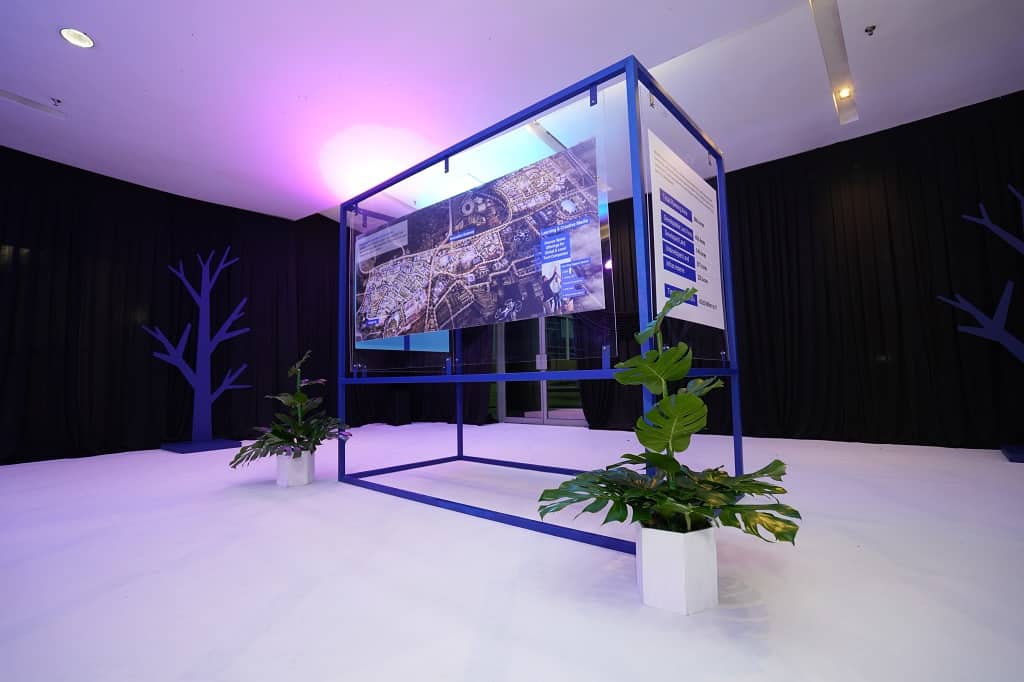
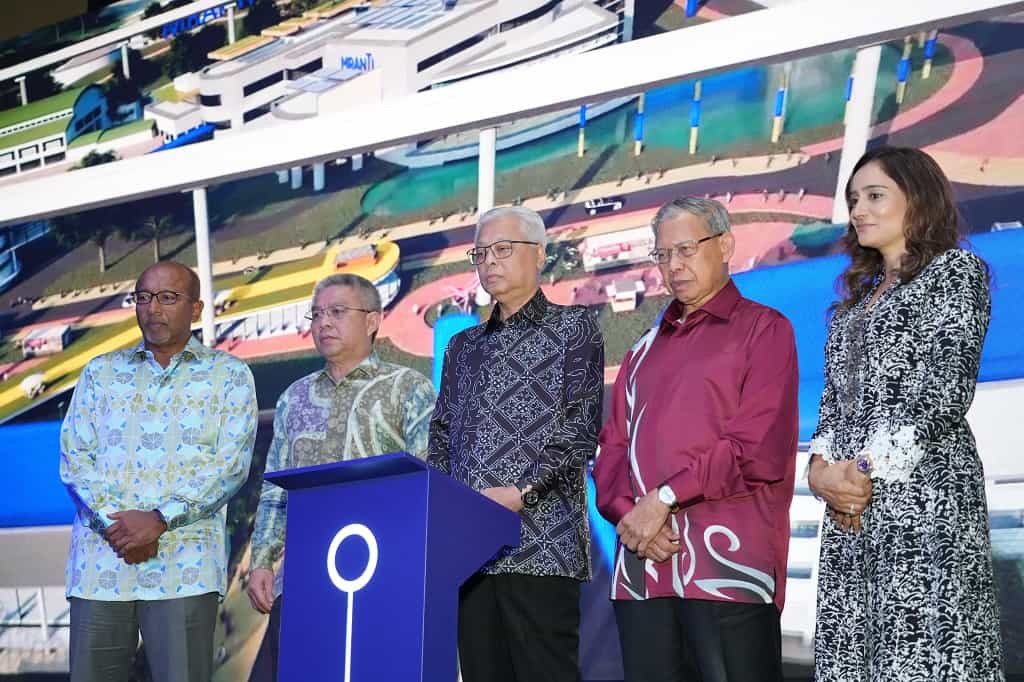
Malaysian Research Accelerator for Technology & Innovation (MRANTI) is the new entity as a result of the merger of two agencies under Ministry of Science, Technology and Innovation (MOSTI), Technology Park Malaysia Corporation (TPM) and Malaysian Global Innovation and Creativity Centre (MaGIC). Inspired by the yellow Meranti tree which is the world’s tallest tropical tree found only in Malaysia – MRANTI strives to become the strongest and tallest among the world’s best.
What Is MRANTI?
MRANTI is the one-stop research commercialisation agency with the resources to accelerate the commercialisation of innovative ideas that will drive impact. As a connector, collaborator and catalyst, MRANTI will connect problem statements (demand) with solutions (supply), bridging collaboration between public and private sectors (transition); increase private sector participation, either through market access, investment, advisory or consultation and facilities for testing and prototyping.
Smart Investor recently interviewed Dzuleira Abu Bakar, CEO MRANTI to find out more about them and their plans.
Dzuleira Abu Bakar, CEO MRANTI
Smart Investor: Why was MRANTI formed?
Dzuleira Abu Bakar: MOSTI with Akademi Sains Negara: examined the landscape:
○ To increase the number of commercialised entities in Malaysia ○ To accelerate technology & innovation
And some gaps were found:
1. R&Ds remain where they are with the Research Institutes (RI) and the universities 80% of in IHL, Corporates 15%, balance 5% government or NGOs.
2. Low GERD to GDP, which is at 1.04%. Other countries; Israel – 4.95%, South Korea – 4.81%, Japan – 3.26%
3. Commercialisation rate is low between 5% to 10% China’s commercialization rate target: 34.7% in 2020 Korea in 2010: 38.9% (they considered: unsatisfactory) Japan and the USA: as high as 60%
● To rise in the ranks as a high-economy, innovation driven nation, we need to ensure our security of R&D supply translates into successful commercialisation.
● As such, the Ministry then decided to streamline its resources – which led to the merger of the 2 agencies, and the formation of MRANTI about a year ago.
● There are 3 important approaches (3Ps) we are taking to position ourselves to support the progress of the ecosystem:
1) MRANTI PARK provides integrated facilities and infrastructure for innovators and entrepreneurs that are 4IR ready, even as we bring together 2) Targeted PROGRAMMES & interventions; and 3) A large portfolio of PARTNERS
SI: What does MRANTI want to achieve by 2030, and which stage are you at now? What are your priorities?
DAB: My goal is to put Malaysia on the Top 20 most innovative countries in the world. This will have amazing spillover effects i.e. higher income, more jobs, and overall better livelihood for Malaysians.
For the immediate, I will focus on rolling out our programmes and partnerships, as well as sprucing up the park. Today, various programmes and facilities are available at the Park.
To have 2,000 sqft MakersLab for designers wanting to prototype their ideas – from computer design or sketches into “things” or small scale models. Various materials and machines are available.
A Centre of Excellence for DroneTech, Living Labs for Autonomous Vehicles (AV) and Agritech
As an example, the Drone Industry Insights report, the world market value of drones is USD26.3 billion, and is targeted to reach USD41.3 billion by 2026. In the Drone Tech sector, Malaysia has the potential to be a world leader in this sector. We are proud that Aerodyne Group, a local company, is emerging as the best drone remote-sensing service provider in the world. There are many other drone companies based here, including Poladrone, Terradrone, VStream, Elsa Energy, DJI, NRA Technology and Allied Aeronautics.
Malaysia also has the potential to grow rapidly in the robotics and drone industries. We will establish the Academy of Talent Development In Robotics (Robotic Talent Development Academy), and are targeted to increase the ratio of robots to humans by 195 robots per human by 2030. Today, the ratio of robots to humans is 55 to 10,000 people.
Therefore, we established Area 57 in MRANTI Park as a centre of excellence for the development of the drone industry. The 5-acre area will provide drone runway services, a 300 square metre drone net area, drone testing mock-up sites, hangars, laboratories, manufacturing equipment, training facilities and prototype testing areas, operational offices as well as drone service and maintenance workshops for drone operators to use.
Revitalising Lab testing facilities for food and herbal products and other manufacturing services at MRANTI Nexus.
5G infrastructure-ready
Commercial entities and researchers face several challenges today which could be addressed with 5G Technology. These include communication efficiency (higher data rates, lower latency), connection density (reliability, availability and coverage) and position accuracy (higher user mobility). To deliver the full value of 5G, we are bringing together more partners to collaborate, innovate and incubate ideas to nurture a thriving ecosystem.
We have lined up 26 key programmes to seed, sustain and scale impact-driven innovations in a structured and systematic manner -linking both domestic and international markets for entrepreneurs, startups and the innovation ecosystem. i. IP & commercialisation initiatives ii. impact and thematic accelerators, bootcamps and iii. Digital Business Academy programmes iv. social impact initiatives this year to jump start the innovation engine.
Examples of these are as follows:
Academy + International Innovation Hub programmes
For anyone looking to upskill and reskill, we offer a host of digital courses, webinars, workshops, bootcamps, custom content/programmes, custom and industry-focused coaching and mentoring, post-grants management and advisory, business acceleration, access to corporate and industry partners, alumni, investors and academia.
Impact Innovation
For innovators to access funding and test their products in the market with corporate partners and large organisations, in order to achieve Sustainable Development Goals (SDGs) and linked to Environmental, Social and Governance (ESG) outcomes.
Global Innovation Exchange (GIX)
For innovators looking to scale and / or global startups looking to set up innovation hubs in ASEAN, with Malaysia as a launchpad. Programmes include:
● National Technology & Innovation Sandbox (NTIS) ● Global Market Fit Programme (GMP) ● MyStartUp Hub (MSH) ● Global Accelerator Programme (GAP)
Rapid IP Commercialisation is another focus. Through a structured review process, we are evaluating how some IPs – in MOSTI’s stable, for example, can be brought to market.
Volume alone is not sufficient. MRANTI will play a key role in enhancing the quality, variety and value of innovations.
This is a big task and MRANTI and I cannot achieve this alone. We are here to collaborate, collaborate, collaborate.
It isn’t a single entity’s show. We aren’t in a sprint. It is a long game, and realistically, one year is just the start to drive deep transformation. Altogether, these will place Malaysia and our people on the right trajectory to becoming a high-tech producer nation.
SI: How many talents are currently working under MRANTI?
DAB: We are 345 strong. More than 55% are under 40 years old – a large number of whom have solid technical background in areas of biotech, engineering, legal, commercialisation, Intellectual Property servicing and a range of industry experts.
MRANTI Park, however, has a community of about 20,000 people – ranging from university students, knowledge workers, academicians, researchers, scientists, entrepreneurs, management staff and more.
SI: How many startups/ enterprises have MRANTI engaged with? Will you be able to name a few and share about their journey with MRANTI?
DAB: Since its inception in 2014, the Malaysian Global Innovation and Creativity Centre (MaGIC) has nurtured, encouraged and developed the Malaysian spirit for discovery, and in the years that followed, we’ve grown from strength to strength.During this time, we have also won the regard of many regional and international industry players – cultivating and producing some of the world’s best startups and social enterprises.
Since we started, we have reached out to 4,503 startups, 145,477 individuals, 48 accredited social enterprises and created RM3.9 billion in economic value. In 2021, in spite of challenges presented by the pandemic, we conducted more than 100 programmes and impacted approximately 11,200 entrepreneurs from more than 700 start-ups and social enterprises who went on to garner close to RM150 mil in investment and generated more than RM400 million in revenue.
Five new sandboxes were launched through the National Technology and Innovation Sandbox (NTIS) in 2021 with more underway to strengthen the security of innovation supply. Since its launch, the NTIS has received 546 complete applications, 148 of which have received funding, regulatory, commercial and technical support, with RM53 million funding approved for these projects.
The returns are notable – at about 10X, as we recorded value creation (investment and revenue, as well as job creation from our programmes and by our alumni) of more than RM570 million.
Testament to the value of initiatives we are rolling out, almost 12 companies have signed on as tenants at MRANTI Park since January 2022 – bringing it to a total of 157 tenants. These include companies in ICT, Biotechnology, Engineering, Green Technology, Consulting, Support Services and more.
We are expecting 15 more local and multinational companies to take up tenancy here by the end of the year, bringing the total occupancy rate at MRANTI Park to nearly 80% or an equivablent of 645,000sqft.
Case study: Through the NTIS, MRANTI facilitated Biogenes Technologies’ discussions on regulatory procedures with the Malaysian Medical Device Authority (MDA), and coordinated approval with the Ministry of Health for a live test site to collect samples, which then allowed them to validate the market readiness. As a result, their test-kits have now undergone preclinical and clinical trials at Pusat Perubatan Universiti Malaya. What would have ordinarily taken at least a year, was accomplished in several months. Biogenes also received funding through the NTIS within six months to enable their operations to expand.
Additionally, through the NTIS, there are sandboxes testing the use of drones to deliver medical supplies to hard-to-reach areas, and to deliver essential goods and services particularly to remote and rural areas. However, we still aren’t moving quickly enough in some areas. Attracting more international players is one area that could do with improvement. The IMD World Competitive Ranking 2020 still ranks Malaysia 52nd in ease of starting business, with an increase in “startup days” from 13.5 days in 2019 to 17.5 days 2020 to set up business in Malaysia.
Today, many startups still find it difficult to know which agencies to approach, as some have overlapping functions. Having multiple sources of information and numerous agencies impedes Malaysia’s potential as a preferred destination for startups.
To ensure that we do not get left behind, moving with speed is absolutely essential. To do this, we need to streamline our processes, get rid of any overlap or ‘legacy’ inefficiencies and utilise technology to digitalise or automate for efficiency.
And in this regard, MRANTI aims to be the one-stop centre for technology and innovation acceleration, regardless of which stage the innovation or solution is at – as we take ideas to impact.
SI: What has MRANTI clocked in since you helmed MRANTI a year ago, though the agency was only formalised in January this year? What have been some of the challenges?
DAB: Merging TPM, a 26-year-old entity, and then seven-year-old MaGIC, comes with its own set of operational and external challenges.
Core challenge: culture integration, added with pressures of managing the bottomline. Thankfully, the merger was completed in record time – under a year.
Much of my time in the last 12 months: spent on onboarding stakeholders and key players to see this transformation of TPM to MRANTI Park.
My immediate goal: capital investments, policy, incentives to raise MRANTI Park’s relevance and profile.
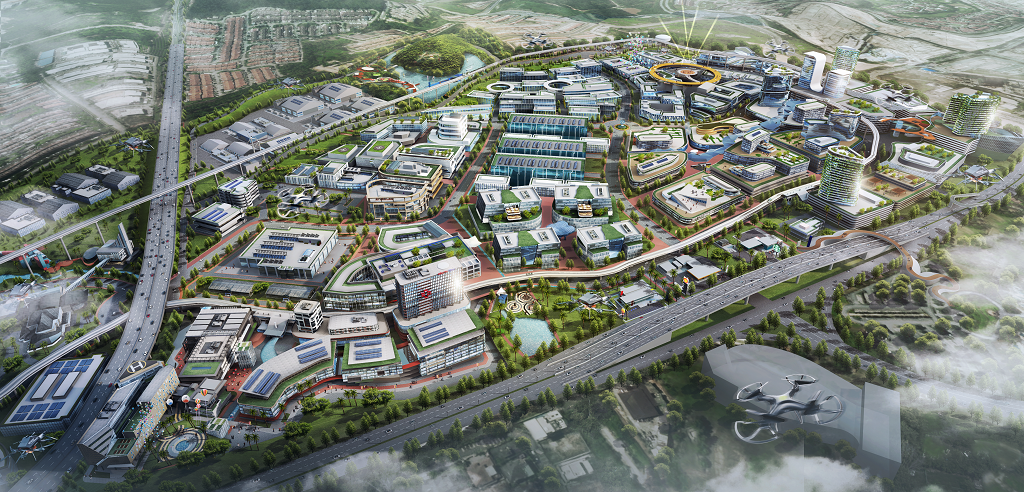
I’m pleased to say, we are now on the cusp of profitability. With a formidable team, we have put in place a strategy to transform TPM’s Profit & Loss and achieve its technology development mandate for the country. My team and I are focused on improving the infrastructure for the 686 acres MRANTI Park (10x larger than KL Sentral) located in Bukit Jalil, to attract global players. The park is now the only fully 5G-enabled innovation park facility in Malaysia, giving it the edge in ultra-fast and stable connectivity.
Speed is the name of the game, and MRANTI Park will be the fast track for innovators.
SI: What are your targets?
DAB: My aim is to make MRANTI Park a global name. My team and I have been relentless in developing the prioritised tech clusters as announced under Budget 2022 at MRANTI Park to make it the foremost innovation hub in Malaysia.
Our integrated facilities are being enhanced for higher capacity and higher value services. RM30 million funding allocated for MRANTI in the Budget 2022, we are kicking into high gear.
2022 Targets : MRANTI, as a 4IR Innovation Hub aspires to
○ Impact 5,000 aspiring entrepreneurs exposed to 4IR technology ie Dronetech, ○ Assist 50 companies to successfully build proofs of concept (POC), prototypes and products, ○ Enable 1,250 business owner to benefit through various facilities and programmes, and ○ Foster RM500 million in Value creation.
Our longer term targets:
The 12th Malaysia Plan (2021-2025) has set several R&D related targets by 2025;
2.5% of GERD to GDP (from 1.04% in 2018)
70% of R&D expenditure by the private sector (BERD) to GERD (we are about 43.9% in 2018)
500 products and solutions commercialised through the National Technology and Innovation Sandbox (NTIS) and Malaysia Commercial Year (MCY) by 2025
Top 20 ranking in the Global Innovation Index in the same period (from 36th in 2021)
SI: What is MRANTI’s Masterplan?
DAB: In shaping MRANTI, benchmarked against:
○ Thai Digital Park, Singapore’s A*Star, and Innovate UK, are all a result of strong policy, investment, talent pool and market environment.
To attain a Top 20 position in the Global Innovation Index (GII) by 2030, from where we have been in the last 5 years – in the 30-somethingth position, we have much to do. This includes upgrading our Engineering, IT, Biotech and other building infrastructure in order to meet the changing demands of industries and the start-up ecosystem. Under the 4IR Hub Initiative, we aim to support prototyping and tech immersion programmes through our maker space and innovation centres.
Ultimately, MRANTI Park will be redesigned to make high potential research and development and early technology products economically viable through holistic and comprehensive commercialisation support.
Our MasterPlan involves the development of 4IR solutions in areas of
○ Computer vision, speech recognition, natural language and human/robot, folding in the development of technology and talent, data management, R&D and a commercial ecosystem across 5 clusters – greentech, biotech, smart manufacturing, agritech and smart city.
Today, 5G coverage is now available within our campus. The recent collaboration involving DNB and Ericsson entails the deployment of 5G coverage and capabilities at MRANTI Park, the creation of MRANTI’s on-campus “5G Experience Centre” with support from DNB, as well as comprehensive knowledge sharing and education efforts for enterprises and the community in MRANTI’s innovation clusters.
Among other components and functions of the centre include:
⇢ Research and insight library – MRANTI Park will be a place for researcher and innovators to conduct case studies on 5G technology ⇢ Testing and development function – for developers to conduct 5G application assessment and improvement ⇢ Showcase, awareness, training and advisory function – It will be a venue to develop prospective digital transformation actors and become a centre for technological innovation, development, and application of ICT in the future 5G era.
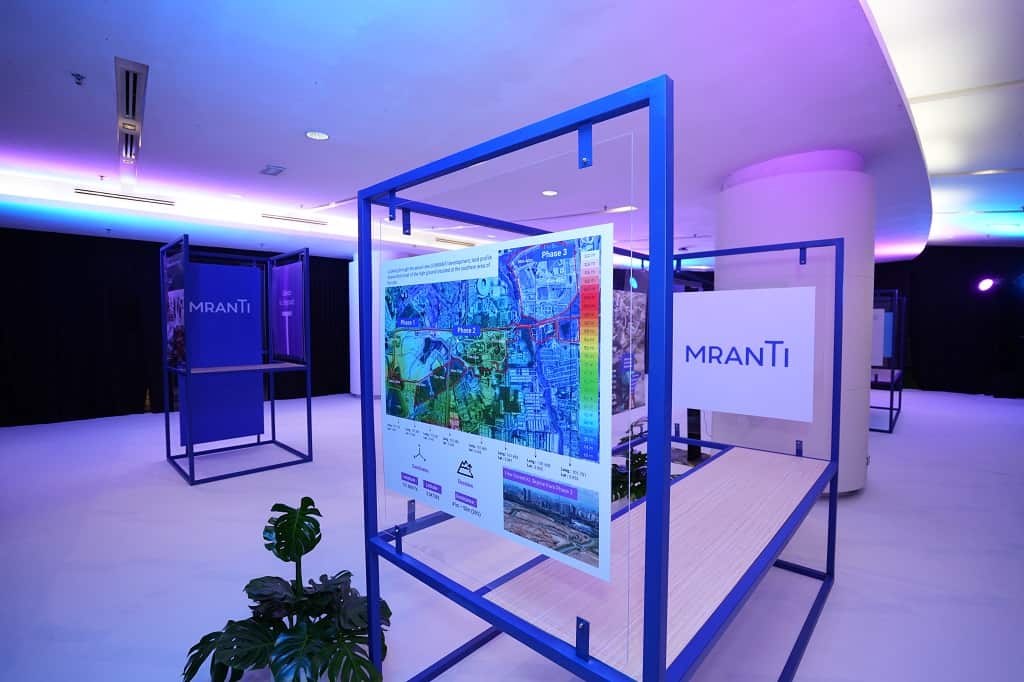
● MRANTI Park Phase 2 & 3: includes a Masterplan for land, leasing and property development that will cultivate Malaysia’s capabilities in 4IR – from IoT systems, end-to-end IP services and laboratory to contract manufacturing facilities with advanced technologies.
○ 5-acre Area 57 Centre of Excellence for UAV is the first and only park of its kind in Kuala Lumpur intended to help Malaysia achieve its goal to become one of the leading players in the drone technology industry in the global drone market which is forecasted to achieve US$41.3 billion in 2026. ○ Commercial zones: will infuse the elements of lifestyle, learning and business.
A Hyperscale Data Centre (HDC) will also be a core service that will support a host of technologies that will take flight in the coming years. HDCs would be one of the many tech sectors MRANTI will look to grow and cultivate within the AI Park. It is not just about housing HDCs but looking at the entire incubation of research and development players from academia and industry.
In essence, this is what MRANTI is about – bringing IDEAS TO IMPACT. Our goal is to create impact – so these can be recognised, appreciated and celebrated the world over.
SI: What partnerships are you looking to build, specifically what kinds of investments and investors are you looking to attract?
DAB: Past 12 months, partnerships with Huawei, Ericsson, Digital Nasional Bhd, SUKE TV and Telekom Malaysia – for 5G services, eServices, content and more in the pipeline.
Also inked MOUs with Malaysia’s premier public universities for research including Universiti Malaya, Universiti Teknologi Petronas, Universiti Sains Malaysia, Universiti Teknologi MARA and Multimedia University.
More updates are in the pipeline as we knock on more Technology Transition Office (TTO) doors to bring more research out of the lab into real life.
Through the NTIS, and within just a year, we have amassed a strong network of 35 Innovation Acceleration companies – leading technology multinationals, legal firms, financing partners, and various experts on board in 12 Sandboxes. And this list is fast growing! Synergy will be key for us to progress.
SI: What sets MRANTI apart from other government agencies?
DAB: MRANTI is the “glue” that brings together solution providers, such as researchers, startups and solutions seekers such as corporates. MRANTI enables a conducive environment for impactful discourse, exchange of ideas and a matching platform.
A key differentiator for MRANTI: the speed at which we connect Government with Industry, Academia and Civil Society – the ‘quadruple helix’ for an innovation ecosystem to thrive.
SI: What are some of Malaysia’s innovations – commercialisation chasms that MRANTI is looking to address?
DAB: SUPPLY. We need to build a strong pipeline, as we have the talent and good inventions that have yet to find a clear pathway to market and eventual profitability.
TRANSITION: getting past the “valley of death” ie TRL4 to TRL6 – where a lot of drop-outs happen
OUTPUT: It is important to support commercialisation, including providing the correct infrastructure and development programmes in Malaysia’s journey towards becoming a tech producer.
SI: Are there specific industry sectors that you will focus on? Why these?
DAB: We are guided by MOSTI’s Dasar Sains & Teknologi Negara (DSTIN) or MySTIE 10×10 (10 high technology areas for x10 socio economic clusters). These are deemed high-impact areas with multiplier effects e.g strengthening local innovators; creating a high-skilled talent pool and quality employment opportunities; leveraging advanced technologies; and addressing pressing national and global issues.
MRANTI will also prioritise 4IR technologies involving blockchain, robotics, sensor tech, advanced materials and drones, among others. For example, in terms of Medtech, we will be developing a MRANTI Healthcare Cluster that will accelerate the exploration and development of work in healthcare and medical technology, offering capacity building programmes, laboratories and incubator facilities to conduct stress tests on ideas, prototypes, applications and various related innovations.
MRANTI Park will also feature a Sustainable Food and Agritech cluster which will feature:
i. a bioscience R&D lab with state of the art equipment and facilities ii. an incubation garage to host commercialisation efforts of high potential food/agritech innovators iii. a vertical farm infrastructure including IoT fertigation for urban farming systems
SI: What are living labs, maker labs, 4IR, etc which will be featured at MRANTI Park – and how does this fit into the end to end “R&D&C&I” scheme of things?
DAB: Early Stage: Ideation & Applied Research. Aimed for innovators at all ages, it is ideal for sandboxing smaller scale ideas, as well as tinkering of hardware and software in a dedicated space. It fosters a culture of learning by-doing, innovation, hands-on exploration.
Example: MakersLab – a 4IR-themed playground featuring a spectrum of IR4.0 focused tools, technologies and technology immersion programmes.
Mid Stage: Prototyping & Viability Testing. Getting past the labs into controlled environments for testing, validation, reiteration, etc. Example: Living Labs and Centers of Excellence: ie Drone, UAV.
Market-Ready Stage: Scaling Up & Commercialisation. This would encourage communities to gather for experiments and collaboration in order to increase local inventions . There’s also NTIS, GAP, GMP Programmes.
ESG is rapidly transforming the business climate today and is constantly evolving. This is fuelled by growing concerns among investors and stakeholders who seek not only economic profits but social good. They want better environmental, social and governance (ESG) disclosures to help them understand how the company operates, makes decisions and creates value.
Smart Investor talks to Dr Sumitra Nair, Head & Senior Vice President Strategy & Policy, Malaysia Digital Economy Corporation (MDEC). She currently leads MDEC’s corporate strategy, planning, policy and ESG agenda. She is also one of the speakers at the prestigious ESG Evolve 2022 conference that Kexxel Group is organizing in KL on 6-8 December. We will talk more about the conference at the end. For now, let’s find out more about how MDEC is pioneering ESG in Malaysia.
Dr Sumitra Nair, Head & Senior Vice President Strategy & Policy, MDEC
Smart Investor: What does ESG mean to you? Why is it important to your business, and how does it impact your industry?
Dr Sumitra Nair: ESG is about carrying out business in a way that is respectful to people and planet, and about generating profits ethically. This is important to ensure that businesses can carry out their operations in a sustainable manner. For example, operations of a business could be impacted by climate-related risks, or governance related risks, hence impacting business continuity. A sustainable business model also improves productivity by uplifting employee motivation and loyalty; and boosting talent attraction and retention. There is also increasingly strong evidence of a connection between good corporate practices and financial performance – an ethics premium. According to Ethisphere’s Ethics Index, the world’s most ethical companies outperformed a comparable index of companies by 24.6% from January 2017 to January 2022.
The Global e-Sustainability Initiative (GeSI)’s Digital with a Purpose: Delivering a SMARTer 2030 report estimates that digital tech can directly influence 103 out of 169 UN Sustainable Development Goals (UN SDG) targets. The same report has identified key technologies that have the highest potential influence on the world, and more specifically on the UN SDGs. These include high speed internet, Cloud, Internet-of-Things, Machine learning, AI, Digital Reality and Blockchain. Such technologies can help to reduce environmental impacts, as well as narrow socio-economic disparities, which strengthening transparency and governance.
For example, from an environmental perspective, the effective use of digital technologies is projected to reduce global Green House Gas emissions by 15% by 2030, which translates to 1/3 of the global 50% target reduction. This is mainly through the use of digital tech solutions in the energy, manufacturing, agriculture and land use, buildings, services, transportation and traffic management.
Therefore, the digital tech ecosystem plays a very significant role in the agenda of ESG in Malaysia. It is also very much aligned to the recently-launched national strategic initiative, Malaysia Digital (MD), which seeks to increase the overall ecosystem value, sustainably.
SI: What are the key factors for successful deployment of ESG in Malaysia?
DSN: At a firm level, following are key factors for successful deployment of ESG in Malaysia:
Leadership commitment is key. ESG must be driven from the top, ideally from the Board, top management and across the organisation.
ESG culture and mindset – ESG should be seen as a way of doing business, rather than a separate function or set of responsibilities.
Taking a longer-term perspective of business performance – over-emphasis on short term gains may impact a company’s ability to manage its ESG risks which may manifest in the longer term. For example, the focus on cutting costs in the short term, may result in non-eco-friendly or non-ethical purchasing decisions.
Measuring and managing ESG impact – as the saying goes, “what gets measured, gets done”. Similarly, defining and tracking ESG performance metrics is key to managing ESG impacts.
SI: What are the challenges that you faced?
DSN: This year, MDEC’s ESG focus kicked off with a focus on Climate change, which has been globally acknowledged as one of the most critical issues of our time. To this end, we recently launched the Malaysia Digital Climate Action Pledge (MDCAP), which aims to galvanise digital tech companies to commit specific actions to address Climate Change, and to support the decarbonisation of SMEs. At the same time, MDEC with our partners such as the UN Global Compact Malaysia and Brunei (UNGCMYB) will provide guidance and know-how to the digital economy ecosystem via a Digital Economy Climate Playbook, and training programmes.
These initial efforts are tailored to address some of the key success factors we have identified in our journey to encourage digital companies in Malaysia to adopt ESG practices. These include:
Raising the level of awareness and understanding about ESG amongst digital businesses
Access to resources to address ESG risks and compliance – e.g. funding, talents, etc.
Encouraging digital tech companies to create shared value through opportunities arising from ESG trends, for example, via digital innovations/solutions that help governments, businesses, or society to achieve ESG-related targets.
SI: What are the key trends you see gaining traction for ESG in Malaysia? What are the areas of growth amongst the pillars to look at in 2023?
DSN: Climate change is the most important topic that has been gaining traction in the past ten years. It is evident from World Economic Forum’s Global Risk Report that climate action failure and extreme weather conditions dictate global risk factors.
Hence why MDEC took a proactive approach to launch the MDCAP initiative to advocate climate action amongst the digital economy ecosystem.
Besides, social factors such as forced labour and livelihood crises of the B40 group have also gained a strong pull for ESG in Malaysia.
In 2023, we can expect other areas of the environmental pillar to grow, such as the carbon market, carbon tax and carbon offsetting, which involves carbon capture, storage and sequestration activities.
Regarding the social pillar, topic of diversity and inclusion in the workplace is growing in prominence, be it gender, age, ethnicity, or other forms of diversity.
“A green and safe planet, a happy and healthy community and equitable opportunities are the best wealth we can create for the future generation.”
– Dr Sumitra Nair
ESG EVOLVE 2022: Driving Catalytic Change For Business Sustainability
Dr Sumitra Nair will share more insights on MDEC ESG at the ESG Evolve 2022 Driving Catalytic Change for Business Sustainability organized by Kexxel Group which will be held on 6-8 December in EQ Kuala Lumpur.
Rakuten Trade recently held an event for the media and presented their thoughts about Budget 2023 and their market outlook for the remainder of 2022. Kenny Yee, Head of Research and Thong Pak Leng, Vice President of Equity Research were on hand to explain more about their findings.
Budget 2023
A Budget for the whole spectrum of population
Payouts for the underprivileged and more surprisingly, tax cuts for theM40 should ease the burden of prevailing high prices. Though disposable income will improve from tax cuts, intention is to alleviate the impact from prospective higher interest rates environment going forward.
The potential creation of 50,000 job opportunities should lessen worries for the fresh graduates aka the Youths. SME owners should also rejoice by the 2% tax cut.
Contractors will benefit
The record high allocation for development amounting to RM95 billion emphasizes the dire need to revive the nation’s economy. As we are aware, the construction sector offers the highest multiplier effect hence once this sector commences cranking up activities, the positive impact should spread across other subsegments as its linkages are immense.
Budget impacts on five sectors
1. Automotive sector
Full exemption of import and excise duty for electric vehicles (EV) for CBU (completely-built-up) extended until 31st December 2024 (CKD exemption is still the same until 31st December 2025).
2. Construction sector
High development expenditure of RM95 billion – a 32% increase from the estimated amount in 2022.
3. Consumer sector
Though higher disposable income is positive from the cash support for M40, B40 and students which are expected to increase consumer spending on goods and services such as F&B and daily essentials. We believe the impact is minimal in view of the prevailing high prices.
4. Property sector
75% stamp duty exemption (from 50% prior) for houses worth RM500k to RM1 million for first time home buyers. The additional 25% stamp duty exemption for houses worth RM500k to RM1 million allows first-time home buyers to save an additional RM2,800 to RM7,100.
5. Technology sector
The allocation of e-money incentives for the M40 group and youths worth RM800 million and RM400 million, respectively, which will further accelerate the adoption of cashless transactions.
Market Will Remain Volatile
Performance of the local bourse has been immensely impacted by global uncertainties primarily from the US. The heightened market volatility have had created ripples across the region as well.
Commodities were not spared either as both the CPO and crude oil underwent wild gyrations. The CPO from the high of RM7,200 to now RM3,800 while the Brent crude from around USD130 to now USD98.
As for corporate earnings, we noticed a downward revision for CY22 from 4.3% to now circa. 1% mainly attributed to the cuts for Manufacturing and Utilities sectors.
Nonetheless, CY23 earnings growth should shine with 6.8% due to upgrades for Banks despite lower estimates for both Plantation and Manufacturing.
Regional volatility remains high with some above the last 2 years. Unlike the rest, Malaysia’s volatility remains below the region as the local bourse is a captive market. Nonetheless, we expect volatility to heighten in view of the anticipated “hard landing” in the United States.
Regional Currency Turmoil
Due to the incessant rate hikes by the Federal Reserves, the USD has had strengthened against all regional currencies. The USD movements has instigated most central banks to be on defensive mode to tame prevailing turmoil amongst the global currencies.
No two economic cycles are the same, but as the American writer Mark Twain eloquently put it, “history doesn’t repeat itself, but it often rhymes”. This cycle is proving to be particularly different, however, which makes it even more challenging to draw parallels with the past.
Depending on which indicators you look at, the US economy could be categorised as being in any one of the business cycle’s four phases. These are expansion, slowdown, recession and recovery.
If we use the textbook definition of recession – two consecutive quarters of negative real GDP growth – the US is in one. Recessions, however, are usually accompanied by a meaningful pick-up in the unemployment rate, and this has not occurred.
Instead, the unemployment rate is at a multi-decade low. Indeed, the strength of the labour market speaks of an economy in its expansion phase, albeit now clearly pushing at capacity limits.
Other economic indicators, however, such as business surveys (deteriorating) and the rate of change in inflation (still accelerating), suggest an economy already experiencing that particularly difficult type of slowdown, stagflation. Certainly, the sharp de-rating of US equities seen this year is in keeping with stagflation.
In short, this economic cycle can’t be easily categorised.
Unique Circumstances Have Created Two-Speed Economy
As the rapid pace of rate rises by the Federal Reserve (Fed) continue to take effect we expect economic indicators to become less contradictory. This should occur next year when we anticipate the US economy to be in a recession.
Since the post-war period, every time there has been two consecutive quarters of negative real GDP growth, recession has been confirmed by the NBER (National Bureau of Economic Research). The NBER is the official authority on dating US recessions based on monitoring a variety of macro-economic indicators.
So far, they have not announced recession.
The weakness in second quarter GDP was also distorted by a significant fall in inventories after strong stockpiling in previous quarters. So, it seems premature to call the end of the cycle based on recent disappointing GDP releases.
In contrast, the Schroders Output Gap model, which measures the amount of spare capacity in the economy, suggests that the US economic cycle remains in the expansion phase (see chart 2, below). This is because the output gap is positive and rising.
The output gap is the difference between an economy’s actual output and its potential output, a positive output gap suggests the economy is running out of spare capacity, which adds to inflationary pressures. Ordinarily, monetary policy would be tightened at this stage to bring actual output back to its potential (the maximum level of output an economy can produce without generating inflation). The Fed is currently attempting to engineer just this.
As activity slows down the positive gap begins to shrink, and the economy enters the slowdown phase – although this is not yet occurring following a blistering pace of interest rate rises.
Schroders Output Gap model and phases of the economic cycle
Expansion – output gap is positive and rising Slowdown – output gap is positive and falling Recession – output gap is negative and falling Recovery – output gap is negative and rising
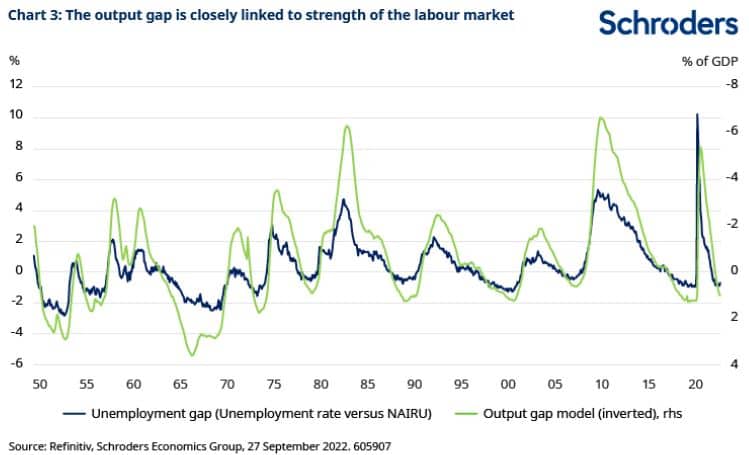
Instead, a presently positive and rising output gap reflects labour market strength, as captured by the ‘unemployment gap’ (chart 3). The unemployment gap is one of the key inputs into the output gap model and tells us if there are less unemployed workers compared to trend levels.
Monetary policymakers make a judgement on what is the NAIRU (Non-Accelerating Inflation Rate of Unemployment), being the lowest level of unemployment that can be achieved before inflation begins to rise in the economy.
So, there will need to be a meaningful rise in the unemployment rate before the positive and rising output gap begins to shrink.
US Economy And Markets Showing More Late Cycle Traits
While we expect our output gap model to move into slowdown at the start of 2023, we recognise that other areas of the US economy are already showing late cycle characteristics. Growth momentum has peaked, and business surveys have eased while inflation has accelerated.
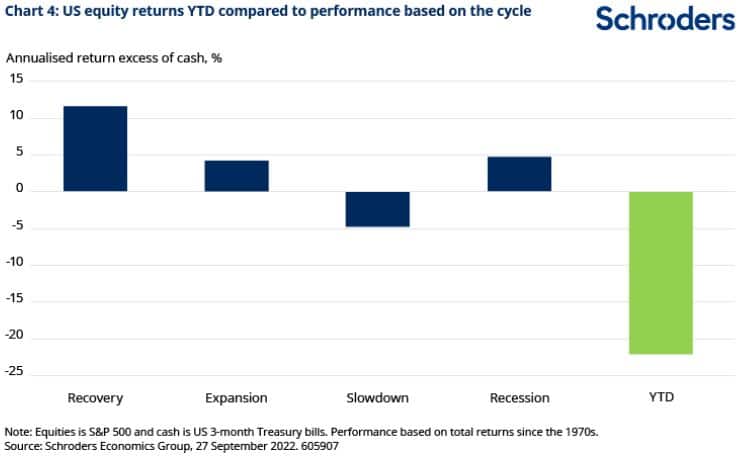
Even the particularly poor performance of markets is typical of a stagflationary environment. The performance of the S&P 500 year-to-date (YTD) is more consistent with past slowdowns as defined by our output gap model (see chart 4, below).
Equities typically suffer during slowdowns as corporate profitability gets hit by weaker growth and rising costs from higher wages and interest rates.
But the magnitude of equity losses this time around has been greater compared to past slowdowns. Despite robust corporate earnings, valuations have significantly de-rerated.
This is because the high levels of inflation have led to more aggressive expectations of policy tightening by the Fed.
This Cycle Is Proving Rather Different
We’re in rather unusual circumstances in that the contraction in economic activity this year has come after a very sharp recovery in growth from Covid-19 lockdowns. So, macro data has eased back to more normal levels. At the same time, US inflation at 8.5% is usually high relative to past cycles. This has led to comparisons with the stagflationary period of the 1970s as inflation back then surged to record levels prompted by an oil price shock.
Unlike the 1970s, the imbalance between supply and demand for goods, resulting from the Covid-19 pandemic, is the root cause of inflation in this cycle. This has been further exacerbated by the Ukraine-Russia war and the impact on supply chains resulting from China’s zero-Covid policy.
So, it is not straightforward to draw parallels with the 1970s, particularly given the robust labour market (see chart 5, below).
The tightness in the labour market has also been driven by factors resulting from the pandemic. In particular, the decline in the number of workers participating in the labour force.
Firstly, more people in the older cohorts have decided to take up early retirement due to health concerns. Secondly, some workers have chosen to exit the labour force due to a reassessment of priorities such as caring for relatives. Thirdly, long Covid has hit the workforce and according to the Brookings Institute accounts for 15% of 10.6 million unfilled jobs in the US.
Some of these factors could ease over time as higher wages incentivise workers to return to the labour force. But more importantly, the tightening in monetary policy by the Fed to bring inflation back to target should result in a more significant slowdown in growth and a rise in the unemployment rate. This would lead to a return to a more normal economic cycle.
Semblance Of Normality To Return, But Not Quite Yet
We expect some semblance of a normal cycle return in the coming quarters as the US economy goes into recession. Not only would GDP growth likely to be contracting, but the pick-up in the unemployment rate would first lead to the output gap shrinking, then turning negative. Inflation should also have eased from lofty levels.
For investors, it would mean a return to more familiar territory where equities offer attractive valuation opportunities in recessions. At the same time, despite dismal corporate earnings, US stocks have typically been lifted by the re-rating in the market.
This occurs thanks to the central bank cutting interest rates in response to the worsening growth and inflation landscape. We saw with the rally this summer how investors (prematurely) anticipated a Fed ‘pivot’ to a less restrictive policy stance in support of economic growth and its second mandate of maximum employment. This drove a powerful re-rating, which abruptly reversed when Fed chairman Jerome Powell dashed hopes of a looser near-term policy.
He warned that the central bank would ‘keep at it’ in relation to raising interest rates.
We do, however, expect there to be scope for a Fed pivot toward the end of next year as the policy is likely to be eased to counter the impact of a recession.
One survey from the University of Michigan indicated that 73% of adults between the ages of 22 and 35 overthink, and 52% of 45 to 55-year-olds do too. While it is important to engage in thinking in our work, overthinking on the other hand affects our effectiveness in getting things done.
What is overthinking and what are some of the ways to manage overthinking? Overthinking is a process where people engage in excessive thinking to the extent that it impedes their actions and productive results. It becomes a justification for procrastination and inaction.
On the surface, it would seem legit for one to gather more information for analysis prior to making a decision and taking action. However prolonged thinking and rethinking can be a wasteful habit and can stop people in their tracks.
The way forward is to strike a healthy balance between thinking and action. To do that we need to come up with effective strategies to avoid overthinking and engage in the right thinking and take the right actions to achieve the desired results.
Over the last 25 years in leading various projects in my consulting work for organizations, I have developed a framework to ensure that our team avoids overthinking but engages in productive thinking to enable practical execution to achieve the desired results.
Let’s check out some of the ways to manage overthinking.
6 Ways To Manage Overthinking
1. Set A Time Frame
To ensure that we do not get into paralysis by analysis mode, we need to set a clear time framework for various tasks such as gathering information, analysis and diagnosis, decision-making, recommendations, and a clear action plan with specific measurable goals and deadlines.
Having a clear time frame is important and requires one to be more practical and balanced without getting carried away with a long engagement in one task that one loves to do more than others. It is not uncommon that some leaders love to debate over the smallest of stuff which is often more intellectual than practical.
There are many root-causes of why some leaders engage in overthinking. Some are perfectionists who are never contented until they explore everything to the fullest. Others lack courage in making decisions, so they avoid them by prolonging thinking and analyzing.
By setting a deadline for each task in each of the phases of work, one becomes compelled to move forward without being stuck in the thinking phase. This is certainly one of the ways to manage overthinking that you can try.
2. Ascertain The Necessary Information
There is no end to getting more information. It will be useful to choose the criteria needed to make a good decision and then go about collecting information about them.
The more data and information we collect, the more analysis and thinking will be involved. We do not live in a perfect world where we can have all the information needed to draw a perfect conclusion.
One of the ways to manage overthinking is by making sure we need adequate information that enable us to make a reasonable decision to move forward. Often more information creates overload and crowds one’s thinking. What is needed is relevant information to help make a sound conclusion that is directive enough to spell out the correct actions to be taken.
3. Analyze To Come To A Decision
One needs to be aware that we need not reinvent the wheel. We only need analyze the information to achieve better understanding in the areas that lack clarity. In those areas in which we are already clear, there is no need for more analysis.
The purpose of our thinking and analysis is to help make a decision. It should not be analysis for analysis’ sake. A better way is to set specific areas where clear decisions need to be made. Then go ahead with the thinking and analysis to arrive at those decisions.
4. Moving From Negativity To Positivity
A lot of overthinking may arise from negative mindsets with constant worrying about the past as well as concerns about the future. Often worrying about what could go wrong will get one to stall under the pretext of waiting for more information or analysis.
Too much negativity will certainly dampen one’s courage to take action. Many would justify that in view of the risks of what could go wrong, they need more thinking and rethinking on various issues. While a little caution with an exploration of contingencies is a good measure, taking an over-cautious stance with great doses of pessimism will wreak havoc on good decision-making.
Worrying forward leads to overthinking which is just creating problems that do not even exist. One of the ways to manage overthinking is by moving from what could go wrong to what could go right with the right strategies is a good way to move out of overthinking.
5. Execute To Achieve Productive Results
Thinking and more thinking would not create results. The missing link in most organizations is concrete actions. There are many leaders who love to have meetings after meetings to discuss over many things. The ills of overthinking are that they create a comfortable habit of inaction.
Inaction provides temporary refuge and comfort but over time it dents the credibility of leaders as they are eventually judged by the results they achieve. Without execution, there will be no results and without results, a leader is deemed to have failed.
In one of the ways to manage overthinking, is to execute what was planned.
6. Recognise And Reward Results
To discourage people from engaging in overthinking, organizations should realign their recognition and rewards towards result based. Assessing one’s work based on concrete and measurable results directly or indirectly is a good way to get people to move from overthinking to taking the right actions to get the desired results.
So there you have it, some of the ways to manage overthinking.
You need to stop overthinking, be a realist and not a perfectionist. Focus on getting things you want to be done right instead of things that could be done wrong.
About the Author
Dr. Victor SL Tan is the CEO of KL Strategic Change Consulting Group. He undertakes change management consulting and training. He is also the author of 14 management books. His bestseller books include Leading Positive & Productive Change and The Secret of Change. For more information email him at victorsltan@klscc.com or contact him at 012-3903168.