Category: business

  • How To Free Up RM 2,000 Per Month Without Sacrificing Your Lifestyle?

    How To Free Up RM 2,000 Per Month Without Sacrificing Your Lifestyle?

    How would you š—³š—²š—²š—¹ when you are in this situation of…..

    ā—Total RM 382,000 š—¼š˜„š—¶š—»š—“š˜€ in credit card & personal loan

    ā—Have a š—±š—²š—³š—¶š—°š—¶š˜ of RM 5,328/month, of which RM 13,500/month is into servicing debt instalments

    ā—š—”š—²š—“š—®š˜š—¶š˜ƒš—² net worth due to faster growth of loan interest than the growth of his assets

    To feel š—°š—¼š—»š—³š—¶š—±š—²š—»š˜ & š—³š—æš—²š—² like this……

    āœ”ļøš—„š—²š˜€š˜š—æš˜‚š—°š˜š˜‚š—æš—² his personal loan & Credit card outstanding to only RM 131,000 from RM 382,000

    āœ”ļøš—¦š—®š˜ƒš—¶š—»š—“š˜€ of RM 7,851/month by restructuring his commitments from RM 13,500/month to RM 5,649/month

    āœ”ļøš—œš—ŗš—½š—æš—¼š˜ƒš—² his wealth to RM 565,000 after we help him restructure his debts, giving him š—°š—¼š—»š—³š—¶š—±š—²š—»š—°š—² to buy two properties worth almost RM 1 Million

    So this is what happened to Raymond, who is an IT professional, working for a famous Multinational company. Single & available, he is very friendly & has a very good relation with his friends & colleagues.

    Not settling for mediocrity, he always dreams of doing his own business. That is how he started partnering with a long-time friend in the chicken-rearing business. His friend was a veterinarian, and chicken is a staple food in Malaysia.

    So he put in his share of RM 225,000 in investment from his side, while his friend put in RM 75,000 to purchase live stocks and stock feeds. The condition was that his friend would run and manage the company’s operations.

    But within six months, the business couldn’t generate enough sales, struggled to stay afloat, and accumulated a debt of RM 120,000. He went from having good cash flow with monthly savings to having a deficit of RM 5,328/month by using his credit cards to finance the losses of the business.

    When we dive deeper into his situation, we see that his problem compounded because, over the years, he did not pick ā€˜G.O.O.D’ assets, despite earning a high income. Simply put, his assets were not growing as fast as his loans. We discovered that he also placed a large amount of his savings into insurance policies—21, to be exact.

    So while most individuals are right about having a mix of high-risk investment vs low-risk investment in their portfolio to generate good returns, Raymond was right on the big picture but struggled to see that insurance does not generate healthy returns.

    So here is two things we did to help Raymond:

    1. Restructure his debt of RM 382,000, which is causing him to have a negative cash flow of RM 5,328/month, by using Debt Replacement
    2. Freeing up RM 27k/year cash flow by restructuring his insurance using PMR rate and maximising his low coverage up to 5x

    You have heard a lot about Debt Restructuring, but what is PMR?

    You might be wondering, what actually is this PMR tool? Is it some kind of magic?

    PMR stands for Policy Maximisation Rate and is used to measure ā€œIs your insurance coverage maximized with the lowest possible premium?ā€

    For example, a PMR rate of 125 means that for every Ringgit premium paid, you are getting coverage of RM125.

    One of the first things we did was to list down all his insurance policies and premiums and run them through my proprietary PMR tool to identify Raymond’s under-optimised policies and correct them.

    To his surprise, Raymond was undercovered despite paying for so many policies.

    Raymond: ā€œBut, Ka Hoe, all the savings plans are good. At least the premiums are not burned, and I will get a lump sum back?ā€

    Well, it depends,” I answered. After calculating the rate of returns of the savings plans, we found that Raymond is getting about 2% per year. His money will earn better interest if deposited in FD.

    Next, we calculated how much Raymond needs to cover so he won’t be under-covered or over-insured.

    Raymond is not alone. Most people buy insurance based on what they think they need without calculating their actual needs and end up paying too much and covering too little.

    So, what is a good PMR, then? Based on my experience in the past 14 years, after reviewing thousands of policies, a PMR of less than 100 is normally under-optimised.

    If your PMR rate is between 100 and 200, it’s somewhat optimised, but it can be better. A PMR rate over 200 is well optimised, but you must ensure each component of your insurance needs is covered.

    You can learn more about the PMR tool here. (short video of my previous sharing on KCLau’s webinar)

    Interested to find out what is your PMR?Ā  Are you currently under or over-insured or simply paying too much in premium?

    Then, I would like to invite you to our first “How to Free Up RM2k/month Without Sacrificing Your Lifestyle” webinar in 2023.

    This webinar has assisted many of my students in lowering their insurance premiums and increasing their coverage, allowing them to start working twice as hard and possibly retiring five to ten years earlier.

    During the webinar, I will not only go through with you the exact steps I did with Raymond with my proprietary PMR tool but also:

    1) How to identify under-optimized policies and correct them

    2) Calculate how much you need to cover so you won’t be under-covered or over-insured.

    3) Better prepare you for the future and prevent potential time bombs from blowing up during retirement

    4) Go through real-world case studies with proven results on how to free up your cash flow so that you can work your money 2x harder.

    Click here to learn more about how Raymond and the rest free up their cash flow up to 3x and maximize their coverage up to 5x. Use this promo code SIGUEST to get it at 9.87 (80% off the retail ticket of RM 47, the webinar is valued at RM 1,997)

    Ka Hoe is a Licensed Financial Planner having a ā€œFinancial Adviser Representativeā€ (FAR) with Bank Negara and ā€œCapital Market Service Representative License (CMSRL) – Financial Plannerā€ with the Securities Commission. He is also the Founder of J Advisory, a Personal Finance Academy that helps struggling Malaysians elevate their financial well-being with proven tools, systems and strategies.

    Disclaimer: All strategies listed here are neither recommendations nor advise. The article is written purely for education and journaling only. The content of this article is an expression of my opinion and should not be taken as professional advise. If you are seeking professional advise, please consult me personally. When dealing with debt, you should conduct research and seek expert advice.

  • Do You Need Critical Illness Insurance In Malaysia?

    Many people think you don’t need critical illness insurance in Malaysia if you already have health insurance or are covered by your employer’s health insurance. Your health insurance might not cover severe illnesses like cancer, a stroke, a heart attack, or kidney failure well enough.

    Here’s what you need to know to have a better understanding of both medical insurance and critical illness insurance in Malaysia.

    What Is Critical Illness Insurance In Malaysia, And Why Would You Need It?

    Critical illness protection gives you a lump sum payment if you get one of the critical illnesses covered by your plan. Unlike a health protection plan, critical illness protection is not designed solely to pay your hospitalisation or medical costs but to provide a sum of money to take care of immediate expenses, which means you are free to use the money however you wish.

    For example, if you have one, you could use the benefit to pay for ongoing treatment costs or medical equipment not covered by your medical protection plan. You may also use the money for home nursing care, seek alternative treatments, or pay the mortgage for your family’s survival, whichever can help you focus on your recovery.

    Read: Should I Give Up Paying Insurance Premiums In Difficult Times?

    How Much Is Enough To Protect Me Against This Unfortunate Event?

    The rule of thumb for critical illness insurance in Malaysia is to have three times your annual salary. Why three times? In the event of a critical illness diagnosis, it takes at least three years for you to adjust your lifestyle and recover.

    What’s The Difference Between Medical Insurance And Critical Illness Insurance In Malaysia?

    Medical CardCritical Illness Insurance
    What does it do?pays for the cost of treatment and medication of a hospitalisationprovides a lump sum payout upon diagnosis of one of 36 critical illnesses, total and permanent disability or death
    What can I do with the payout?Pay for medical cost of treatment or hospitalisationThe patient can use the lump sum payout for anything they want, not restricted to medical treatment. For example, some use it to help their family’s financial situation.
    Who does it most benefit?The policyholder (and his family, if the plan covers family) as it helps pay for their medical treatmentThe policyholder and/or their dependents, depending on the payout use.
    What is the premium payment like?Premium increases with agePremium remains the same throughout the lifetime
    Eligible for income tax?Eligible Eligible

    Read: Financial Planning Is Not Only About Having Insurance

    When Should You Revisit Your Critical Illness Plans?

    1. When your income changes, this will affect your coverage with regard to income protection

    2. When your life changes, for example: getting married or having kids, this will also include the consideration of
    how your dependants may be affected if you are diagnosed with a critical illness and whether or not you would need a critical illness payout to help with managing your financial obligations

    Do I Need Critical Illness Insurance In Malaysia Right Now?

    It is common to think, especially in the prime of one’s life, that you have time on your side and that you do not need a critical illness policy. However, critical illnesses do not differentiate between age or gender. Certain behaviours, such as smoking or leading sedentary lifestyles, are high-risk factors for critical illnesses.

    One of the diseases spreading the fastest among Malaysians is kidney failure caused by diabetes. Accidents and incidents can cause injuries like major head trauma or third-degree burns, which are hard to predict and require a lot of (and possibly expensive) medical care.

    Having a sound financial plan before the unexpected happens is equivalent to having more choices for treatment and recovery. This includes the choice to take time off from work to focus on complete recovery, the ability to choose quality healthcare, or the privilege to spend time with your loved ones instead of thinking about where the payment for the treatment would come from.

    Read: Insurance Affordability vs Need, 6 Factors You Should Consider

    Case Study Of A Real-Life Example

    A client of mine was recently told she had breast cancer and had to have surgery. The total cost of the operation is RM26,000, and it is fully covered by medical insurance. Next, she would have to go through post-treatment, after which she would not be able to return to work for a short time.

    Critical illness insurance in Malaysia helps patients cover their living expenses with a lump sum payment. This money can then be used for anything and is not restricted to medical treatment (which the medical insurance already covers).

    If you have medical insurance, consider adding a premium waiver rider, which allows you to waive the basic premium if you are diagnosed with a critical illness.

    This means that the policy does not need to pay for the stipulated premium, while you would still have medical insurance coverage. If this coverage is within your budget, you should consider taking up this rider.

    Read: Should I Nominate My Wife As Sole Beneficiary Of My Life Insurance Policy?

    Do You Need Critical Illness Insurance In Malaysia?

    Many income protection products are on the market, so spend time understanding which caters to your current financial needs. While you are still well and able to work, you provide food, clothing, and shelter for your family.

    But if something were to happen to you, somebody must immediately take over this responsibility for you and your family. This is precisely how income protection works, where insurance will compensate you for the loss of income.

    Above all else, protecting and preparing yourself and your family for such uncertainty should be a top priority. That’s why you will need critical illness insurance in Malaysia.

    Read: How to Protect Yourself at Different Stages in Life With Insurance

    About the Author

    Cha Ai Bee is a certified financial planner, AIA Life Planner and certified member of Financial Planning Association Malaysia (FPAM).

  • Caught Between Life And Death, The Importance Of Declaration Of Trust

    The following story is based on an actual series of events, with some names and circumstances fictionalised. Any similarity to any person’s name, character, or history is entirely coincidental and unintentional. Hope that we better understand the importance of having a Declaration of Trust.

    Simon would not be in a pickle if he trusted in the Declaration of Trust. Neither would his business be in such a predicament.

    At the prime of life and particularly having paid much attention to matters of health, he thought he was infallible and would not be robbed of his life at an early stage.

    He was right! He was not robbed of his life when a reckless motorcyclist running the red light rammed into him. But, it left him near lifeless in a comatose state due to swelling of his brain.

    With Simon in the hospital, his company was in limbo. Simon is the sole business owner. The company’s daily operations were impacted. Whatever he had wanted for the company in terms of succession and equity holding as expressed in his Will could not be effected and fulfilled.

    A Will and Last Testament could only be executed upon death and after obtaining the Grant of Probate. It would be different with a Declaration of Trust which would have avoided the current conundrum for Simon and his company.

    Simon had dismissed it when an estate planner told him about the Declaration of Trust. He shrugged it off as an attempt to sell him something he didn’t need, as he was confident that he had taken care of his estate planning needs with his Will.

    Had he listened, he would have learned that with a Declaration of Trust, he, as Settlor, could create a trust settlement by declaring that his assets are to be passed on to an appointed professional Trustee when anything drastic happens to him, such as incapacity. So, he is keeping the money for someone else, who is the beneficiary of the money.

    What Is A Declaration Of Trust?

    A Declaration of Trust would make it easy to transfer company shares quickly when certain things happen, such as when the only shareholder goes missing or is permanently disabled and in a coma. This would minimise any disruptions to the operations of the company.

    If a company has other shareholders and directors, the shares can be held in trust until the beneficiaries reach the age of majority. Meanwhile, dividends received can be used for the beneficiaries’ expenses such as medical, education, maintenance, etc.

    A Declaration of Trust is simple, flexible, and powerful to provide for loved ones by securing their financial well-being. It is NOT subject to Grant of Probate or Letters of Administration. It is REVOCABLE, and the contents can be changed anytime before the Settlor’s death.

    Any assets, whether encumbered or not, such as residential property, unit trusts/mutual fund investments, shares of private companies, and money in bank accounts, can form part of the Declaration of Trust.

    Under the Trust, the Settlor acts as the Trustee and retains control and ownership of the trust assets until a specified event happens, after which a substitute Trustee takes over to follow his instructions on how the trust assets are to be utilised. This prevents any delay in allowing your beneficiaries to enjoy the trust assets.

    As the Trustee, one need not transfer the assets until and unless one of the following events occurs:
    ļ‚· Death
    ļ‚· Total Permanent Disability (TPD)
    ļ‚· Critical Illness
    ļ‚· Comatose
    ļ‚· Resignation as Trustee
    ļ‚· Missing* for a period to be stated in the trust (this resolves the problem of lack of death certificate for the distribution of assets)

    No one knows what tomorrow will bring. One can be in perfect health, but circumstances are beyond control. So, be prepared—for your and your loved ones’ sake.

    About Rockwills International Group

    Rockwills International Group, now in its 28th year, pioneered professional will writing in 1995 and has since evolved into the leading estate planning specialist in the country. It is today the largest provider of solutions and support services in the areas of trusts, succession, management and distribution of wealth. It has shareholders’ funds exceeding RM50 million. It has done over 280,000 wills and 15,000 trusts and hold more than RM25 billion in assets under trust.

  • An 8-Step Wealth Workout Plan

    With gyms all over town teeming again with fitness junkies, almost everyone is playing catch-up with their fitness goals after a long hiatus from the gym. Whether it’s building muscles, improving stamina, or just getting healthy, all of us can benefit from a good old sweat session.

    But what about our financial fitness?

    If you’ve been putting off your financial goals for some time, now is a great time to rebuild and reposition yourself to get back on track as we usher in a new year.

    Here’s an 8-step wealth workout plan to ease yourself back into it and get financially fit.

    Wealth Workout Plan #1: Reassess Your Position

    Before you jump right back into your routine, it’s important to first evaluate your current financial position and understand what has changed. Maybe there was a new family addition, or you had to take out a new personal
    loan. In both instances, your tolerance for risk may be lower and you are more susceptible to ā€˜pain’ in markets.

    Like any fitness routine, a financial plan needs to be specifically tailored to your needs. Work together with your wealth trainer to craft a financial plan with short- and long-term goals. Remember to be realistic in your plan, otherwise, you won’t feel motivated to stick to it.

    Read: 5 Investing Mistakes to Avoid During a Downturn

    Wealth Workout Plan #2: Crunch Those Figures

    With a destination in mind, it’s now time to do some number-crunching.

    How much do you typically spend every month? What percentage of your salary are you setting aside for saving and investing? Taking inflation into account, are you putting away enough to reach your dream retirement in 30 years?

    Commit to your goals and take responsibility for your financial situation, whatever it may be. Don’t be dissuaded easily or quit before you even start going. The path ahead could be painful with many short-term setbacks, but the glory belongs to those with the grit and determination to push through.

    Wealth Workout Plan #3: Build Your Financial Core

    Having strong core muscles is important to keep from getting hurt because they support your spine. In the same way, a solid core is the base of any financial plan. This will help you get through bad market cycles and accidents.

    That’s where an emergency fund comes in to ensure you have a safety net to fall back on. Ensure you have built an
    adequate financial buffer of at least six months in living expenses which can help tide you over when times get rough.

    Keeping an emergency fund also prevents you from being forced to sell your investments during a downturn and crystallising your losses, thereby allowing you to stay invested.

    Read: Follow These 5 Steps For An Effective Asset Allocation In Your Investment

    Wealth Workout Plan #4: Warm Up And Gradually Progress

    Nobody should start deadlifting 100kg on their first visit to the gym. As an investor, you should not be piling everything you have into a single investment to generate returns. Take small steps to build your wealth and invest at levels you are comfortable with.

    Once you’ve become more confident, you can gradually increase the amount you invest every month to build your ideal portfolio. With a better grasp of the market, you could also load up on more tactical positions to amplify returns by taking advantage of current market conditions or mispricing opportunities.

    Wealth Workout Plan #5: Ice That Pain & Spending

    Pain management is also a critical element of a wealth workout plan. Investors would inevitably face some ā€˜pain’ in their portfolio as markets go through different cycles.

    But investors can manage this by stacking up on some fixed income and safe haven assets like gold which offers capital preservation by cushioning losses during a downturn given its low correlation.

    If you can’t get your budget to balance, consider also freezing some of your worst financial habits by going on a spending diet. Sweet caramel macchiatos and night-outs are nice but learn to resist financial temptations to
    lower your cash burn.

    Read: ESG Investing And The 3 Steps To Build An ESG Portfolio

    Wealth Workout Plan #6: Stick To The Schedule

    As any fitness guru will say, it is far more important to stay consistent, rather than to focus on the intensity. This applies to investing too, which gets easier over time as you compound your gains and accumulate wealth.

    Much like fitness, investing is really a long-term game that won’t give you immediate results even if you put in all your energy or resources overnight. A shredded body can take months, if not years of consistent training.

    Similarly, building wealth also takes time and lots of patience. Legendary investor Warren Buffet only made over 90% of his wealth after he turned 65 years old. A great way to maintain consistency is to practice dollar-cost averaging by investing equal amounts at fixed intervals to ensure that it becomes habitual.

    Wealth Workout Plan #7: Target All Areas

    Gym bros who focus on chest exercises but skip leg days usually end up with an unbalanced physique. Similarly, you don’t want a portfolio that is lopsided because it is heavily tilted towards a particular ā€˜hot’ asset class or sector that has made strong gains in the past.

    It might look good on the surface, but chances are it might crumble under pressure once the euphoria runs past its peak. Thus, any fitness programme should be all-encompassing by targeting all areas of your body to maximise resilience.

    This applies to your portfolio too by ensuring that you have a good mix of different asset classes, sectors, and country exposure so that you stay on top of your game and can endure market drawdowns.

    Read: Are Malaysian Millennials Really That Bad At Managing Money?

    Wealth Workout Plan #8: Enjoy The Process

    Lastly, take the time to savour the moment and just enjoy your wealth and fitness journey. You may find yourself hitting a plateau and feeling like you’re not moving ahead.

    But investing is a lifelong pursuit, where your success should be measured across years if not decades. The ride could be riddled with short-term volatility, but that’s just part and parcel of investing.

    So, keep your eyes on the prize and keep a long-term perspective in your quest towards building wealth.

    With this wealth workout plan in place, you should be able to weather any conditions.

    About the Author

    Lee Sheung Un is an assistant manager of communications & content at AHAM Capital. A millennial, he is still finding that balance between wealth, freedom, and purpose. Views expressed are his own.

  • Give Your Relationship With Money A Fresh Start

    Give Your Relationship With Money A Fresh Start

    It is not uncommon to see or hear people we know to make life decisions based on our relationship with money. Even when one is unhappy with their environment, they may not have the courage to make any moves or changes because they fear the impact on their financial well-being.

    We enjoy seeing our investments grow but lose many nights of sleep when the opposite occurs. If we find our lives saddled with debt or see our peers living a more lavish life, we may feel that we are not enough.

    Money has a huge role in our quest to feel enough or be happy. The reason I want to talk about this is that we must not use money as the measurement of our progress in life. It should not be the reason we feel inadequate or terrible.

    Read: Can Money Buy Happiness?

    Our Relationship With Money

    People seek belonging, acceptance, and validation from the people around them. We want to feel that we belong to something, to a certain group or culture. When it comes to our relationship with money, the same pattern and need to be seen as ‘normal’ can also be easily observed.

    When we see others around us dress well and drive expensive cars, we tend to assign them to the ā€˜successful group’ and think ā€˜they are doing well in life’. But statistics have told us that people who earn a high income can also deal with money issues and seek debt management programs from AKPK (Agensi Kaunseling & Pengurusan Kredit). On the other hand, not all middle- or low-income earners are terrible money managers.

    Comparing what we have to what others have can lead us to an endless chase of happiness based on what other people are doing. It takes away our focus on how well we are doing.

    Have you been telling yourself: ā€œIf I have X amount of income, I will be able to do this or feel happierā€?

    Read: 4 Money Personality, Find Out Yours

    This thinking puts money in the driver’s seat behind every decision we make and that money is the only enabler for us to do anything.

    When we give more power to money, it will take it and eventually become the lens through which we make most, if not all, of our life decisions. We must break this pattern and take back control. It starts with redefining the relationship we have with our money.

    Doing this early is important. If we do not confront this relationship with money early, it may cause us to tie our self-worth to our net worth, which means if you don’t feel you are as rich as me, you will convince yourself to believe that you are not as good as me, and this may blind you from seeing your true potential.

    Money is not unimportant. Don’t get me wrong. It is important, but it should not be more important than our sense of self or cause us to lose our sense of self.

    Money shouldn’t be why we cannot prioritise caring for others or stop us from feeling happy. Money is the car that gets us to our desired destination; it is not the driver itself. You are.

    To regain control, the driver must know where he or she wants to go. But many times, we don’t have a clear idea of what our goal is. You don’t have to feel bad or guilty if this is you.

    We haven’t been taught how to think about our goals. I think we need to first find out what we value most.

    Understanding what we treasure the most can help us discover what we want to make happen. If your core value is your family, you may find ways to use your money to help your family live a better life or protect your family’s financial security.

    If your core value is health, you can learn how to use your money to help you live healthier. I think it makes little sense to use our money on things we don’t value as much because this will deprive us of our life satisfaction. They may give us a short boost in happiness, but they may not be as sustainable as when we use our money on things that truly matter more to us.

    Determining our core values and things we hold dear will help us shift the steering wheel into our own hands and help us focus on how to utilize our money to live the type of life we want.

    Read: How Can You Save Money Without Even Realising It?

    Those Who Fail To Plan, Plan To Fail

    This will help us find out how to manage our money accordingly and create a spending plan to help us keep our money in the right place. This financial plan would have had a say in where we wanted our money to go and what we wanted it to do for us, not the other way around.

    Also, in our quest to have a constructive relationship with money, we must first determine what kind of relationship we have with it now. What would a mutually supportive relationship look like?

    It makes sense to conduct an initial assessment to determine how much money we need to live the best life we want. From there, we can then find out what things would need some tweaking to create the kind of future we’d love to have.

    When our relationship with money is healthy, our financial well-being can improve. We will be more at peace with ourselves and our money.

    We can live better today. Wishing you a great 2023 by starting with a refresh on your relationship with money.

    Read: Are Malaysian Millennials Really That Bad At Managing Money?

    About the Author

    kevin neoh

    Kevin Neoh works with people to transform their relationship with money and support them to use their money to live a meaningful life. He is a CFP professional and a certified member of Financial Planning Association Malaysia (FPAM). Kevin can be contacted at www.kevinneoh.my.

  • ESG Investing – How To Integrate It Into Your Investment Planning?

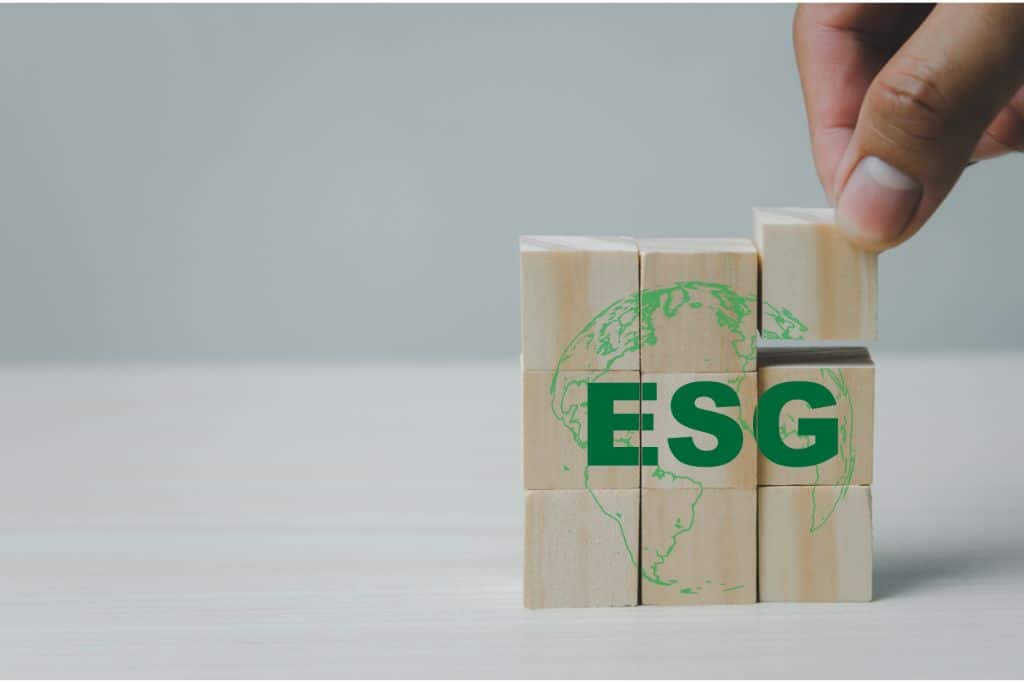
    According to the Global Investment Review 2020 report, at the start of 2020, ESG investing or ESG-themed investing had reached USD35.3 trillion in the five major markets, a 15% increase in the past two years (2018-2020) and a 55% increase in the past four years (2016-2020). It’s up from 33.4% in 2018 to 35.9% of all professionally managed assets across all regions.

    This trend is continuing to grow in most regions, with Canada experiencing a tremendous increase in absolute terms over the past two years (48% growth), followed by the United States (42% growth), Japan (34% growth), and Australasia (25% growth) from 2018 to 2020.

    So, what is ESG investing? Let’s look at the facts.

    Read: All You Need To Know About ESG And ESG Benefits

    ESG Investing For Sustainable Investment

    ESG is an acronym that stands for Environmental, Social, and Governance Investing. In addition to evaluating an investment’s financial metrics, the ESG investing approach involves a need to weigh up the corporation’s or fund’s policies related to:

    • Environmental matters (climate change and pollution, for example)
    • Social issues (such as diversity and ethics)
    • Governance (style of leadership and transparency)

    Why Are People Attracted to ESG Investing?

    Traditionally, most long-term investors felt they had to choose between their values and making money. To fulfil this intention, they will hold a massive and diversified portfolio that likely ended up with companies that paid well but did not do much good for the planet or society in their business practices.

    However, the Schroders Global Investment Study 2020 reported that almost half (47%) of people around the globe are attracted to sustainable investments because of their broad environmental impact. Another 42% believe sustainable funds are appealing because they are likely to provide higher returns.

    The data shows that investors no longer have to choose between two options because ESG-based sustainable investing is good for both goals, making it a very good choice.

    Local ESG Investing Growth Trends

    Where do Malaysians stand when it comes to adopting ESG investing?

    The Securities Commission Malaysia (SC) developed a 10-year strategy blueprint (2010-2020) involving ESG investing. Since 2014, SC has introduced several initiatives, including developing the Sustainable and Responsible Investment (SRI) Sukuk Framework.

    Read: Driving The Development Of ESG With Sukuk

    In December 2014, Bursa Malaysia launched the FTSE4Good Bursa Malaysia (F4GBM) Index for the Malaysian market to provide more visibility and profiling of ESG-compliant companies that meet various ESG inclusion criteria and are eligible to be included.

    The standard is consistent with the global ESG model that FTSE developed, with strong references to the Global Reporting Initiative and Carbon Disclosure Project. As of 30 September 2019, there are 71 constituents of the Index, with a market capitalization of RM510.4 billion. As of June 2022, the total number of constituents is 87.

    On the other hand, the FTSE4Good Bursa Malaysia Shariah (F4GBMS) Index was launched in July 2021 with 54 constituents to cater to investor demand for ESG and Shariah-compliant index solutions. The purpose is to track constituents in the F4GBM Index that are Shariah-compliant. For the most recent review period, June 2022, nine new companies were added to the F4GBMS Index. This brought the total number of companies in the index to 65.

    Both indices are reviewed semi-annually in June and December against international benchmarks.

    Read: The Islamic Sustainability Approach In ESG

    The Reality Of ESG Investing

    From the perspective of industry players, the challenges arising in developing ESG investments locally are due to a limited investment universe and a lack of quality ESG reporting standards. These limitations are reflected in the types of ESG-themed funds available in Malaysia.

    With the limited local investment universe, the fund houses need to construct a portfolio that consists of global securities for diversification purposes. The aim is to deliver the most value to their investors with higher potential returns and manage downside risks.

    In addition to not having good reporting standards, fund houses need to spend more money to make sure the information they report is correct. Some might rely on information from ESG rating agencies, while others use third-party screening tools.

    Read: ESG Investing And The 3 Steps To Build An ESG Portfolio

    ESG Investing With A Licensed Financial Planner

    Fear of missing out (FOMO) in investing is the desire to stay continually connected with what others are doing. Often, one succumbs to “recency bias” and makes a rushed decision based on recent investment performance.

    How do you combat this and align your investment portfolio with your values? Let’s look at how financial planners can help in this situation.

    •  Discover client’s ESG values

    Usually, financial planners will seek to learn about their client’s unique set of financial goals and risk tolerance first. But ESG values can be very personal, and they can differ from one person to the next. One client may prioritise environmental issues, while another values diversity.

    Financial planners must first understand how clients might want to see them executed in the investments they pursue. Then, personalize their portfolio to mirror the client’s values.

    •  Deploy a negative screening approach

    Once financial planners are on the same page with their clients, they can start putting clients’ values into practice. They will identify companies that don’t align with clients’ values and remove them from clients’ portfolios.

    A straightforward approach is to identify the right ESG funds for their clients. A fund will reduce the need to analyze individual stocks and spread out risk by holding a large basket of equities.

    • Review and reporting

    Greenwashing is one of the risks associated with ESG investing. It is a strategy to market a company as sustainable or green when it isn’t.

    To manage the risk, financial planners will use the right ESG data and tools to monitor and report ongoing changes to the ESG scores of the companies or funds. By working hand in hand with a professional Licensed Financial Planner, you will have clarity on the placement of ESG in your investment portfolio.

    Have you incorporated ESG investing?

    About the Author

    Zulkhairi Zulkifli (CFP) is a Licensed Financial Planner With Expanded Scope. His expertise is in holistic financial planning and advising on equities, debentures, or warrants listed on Bursa Securities. Zulkhairi truly believes that a simple and personalized investment plan is vital to growing your financial assets. He can be contacted at zulkhairi@wealthvantage.com.my

  • Save Monthly Repayment Up To RM9,000 Per Month

    Save Monthly Repayment Up To RM9,000 Per Month

    Taking out loans is a normal part of life. Some take out loans to buy a house, or a car, to sustain their lifestyle and many other things. But is there a better way to manage debts, so we can save monthly repayment and sleep better at night?

    Meet Isabela (not her real name), a working mother at a multinational bank in Malaysia. Managing 20 employees as a senior manager while raising seven children was frequently like working two jobs. She was so busy she did not have time to manage her finances.

    As a result, Isabela suffered from a negative cash flow of RM5,000 every month, even though she earned a T20 income* as a senior manager in a bank. She constantly asked these same questions over and over: ā€œWhy is it that I pay my credit card bill every month on time, but my outstanding debt seems to be getting bigger and bigger?ā€

    So how is it possible that if one pays their credit card on time, they are still in debt?

    This is what we found out when we sat down with Isabela. The main contributor to her RM5,000 per month deficit is the ā€˜Loan Repayment’ row (in the diagram below).

    Can you imagine paying RM11,000 per month on your loan repayments? Is there a way to save monthly repayment?

    Read: Save RM1 Million On Your Own Or Do It By Buying A Property?

    How To Save Monthly Repayment Up To RM9,000 Per Month?

    Before and after: a monthly cash flow summary from a deficit of RM5,000 to saving RM2,000 in two months

    As I dug deeper, I found four credit cards with multiple instalment plans (refer to Chart 1). ā€œOkay, it’s not too bad,” I thought. I have seen worse, something like 10 to 20 cards.

    Chart 1

    For Isabela, some of the cards were tied to recurring payment plans. Nothing out of the ordinary but they all had one thing in common: all the cards had outstanding balances.

    I started to organise them to understand how much she was paying monthly for each card. Here’s a snapshot, where we found the root cause.

    I realised she was paying a fixed amount for some of the cards. I knew she was in trouble because her income couldn’t support the card repayments. She was paying on ā€˜gut feel’, meaning she would pay an average of RM3,000 per card for three of the four cards.

    For example, as shown in Chart 1, she only pays RM3,000 for her CIMB Credit Card. However, the monthly instalments come up to RM2,130, and she was spending RM3,071 in June, totalling to RM5,201. Meaning the payment was short of RM2,201, so she owed her credit card outstanding payments before she started that month.

    This is a bad habit and one of the major blind spots for most credit card users as they don’t clear their monthly balance. Here’s what I have to advise:

    First, although you pay your cards on time every time, you still need to pay the amount spent in full for that month or else the outstanding will grow out of proportion. You cannot just pay on time without paying in full for what you need to pay.

    Secondly, when you miss paying in full for one month (that means having an outstanding balance for the following month), it would be very hard to keep track of your expenses. It becomes impossible to reconcile what you spend the subsequent months unless you sit down and take a snapshot of your expenses over three months of credit card spending.

    Read: Saving vs Investing, Should I Save Or Invest?

    When you don’t know what you have been spending, you won’t know how much you have to pay. And this will go on like running on a treadmill that won’t stop and will keep going faster until you fall.

    Thirdly, most people who constantly pay off any outstanding monthly credit card expenses will not have this problem.

    So how can we save monthly repayment and solve this issue?

    Read: How Can You Save Money Without Even Realising It?

    Case Study On How To Save Monthly Repayment

    Once we identify the problem, we can develop solutions and strategies. In Isabela’s case, here’s what we needed to do to save monthly repayment:

    1) Restructure her debt and consolidate it into one unifying loan.
    2) Manage her expenses through ICE JAR, the world’s simplest money management system, to prevent her from falling into the same situation in the future.

    Although she has a housing loan that we can use to consolidate her credit card debts, there wasn’t much capital appreciation as these properties were purchased recently.

    So, we had to use another ā€˜container’ to consolidate her loan. The most effective ā€˜container’ is similar to a housing loan that uses a ā€˜reducing balance interest’ calculation instead of a ā€˜fixed line interest’ calculation loan (also known as a personal loan) that most people use.

    Within a month, my team and I managed to help Isabela find her ā€˜container’ and save monthly repayment by reducing her loan repayment from RM11,648 to just RM2,594 monthly.

    Many of our fellow Malaysians are unaware of a significant difference in interest calculation.

    Read: 4 Money Personality, Find Out Yours

    The ā€˜fixed line interest’ calculation (typically used for traditional car loans and personal loans) is very different from the ā€˜reducing balance interest’ calculation (typically used for housing loans). Let me illustrate by using this example of taking an RM100,000 loan with a 5% interest rate over ten years.

    From the diagram illustrating Isabela’s Debt Consolidation Strategy (DCS), you can clearly see why I chose to use the ā€˜reducing balance interest’ option. Given the same loan amount, interest rate and same 10-year duration, and a monthly instalment of RM1,250, you can see that the ā€˜reducing balance interest’ calculation gives 50% interest savings compared to the ā€˜fixed line interest’ calculation.

    This is how you can save monthly repayment and sleep better at night.

    Read: 6 Ways To Deal With Inflation

    This is the reason we need to invest in our financial education. As they say: “Education lifts us past poverty,” and that especially includes financial education, and save monthly repayment is something that almost everyone needs to know how to do it.

    *T20 income is classified by the Household Income & Basic Amenities Survey Report 2019 by the Department of Statistics Malaysia (DOSM). The income classifications for T20 have been revised to reflect inflation, the rising cost of living, and household size, among a host of other factors, into two parts:

    • T20 Part 1 – RM 10,961 to 15,039 and
    • T20 Part 2 – RM 15,040 and above

    About the Author

    Ng Ka Hoe is a Licensed Financial Planner and a Financial Adviser Representative (FAR) with Bank Negara Malaysia andā€œCapital Market Service Representative License (CMSRL) Financial Planner with Securities Commission Malaysia. He is also the Founder of J Advisory, a Personal Finance Academy that helps struggling Malaysians elevate their financial well-being with proven tools, systems and strategies. For more real-world case studies, you can head over to https://jadvisory.asia/.

  • 5 Tips To Help You Set And Achieve Your Financial Goals

    5 Tips To Help You Set And Achieve Your Financial Goals

    Have you ever set goals for yourself but failed to meet them? It may be to start exercising, investing, spending more time with your family members or loved ones, or whatever goals you may have.

    You set goals at the start of the year but did not follow through in the following weeks or months. You only realize your goals as year-end approaches.

    A study by Martin Oscarsson published online in 2020 on large-scale experience with New Year’s Resolutions found that 55% of the respondents successfully sustained their resolutions at a 1-year follow-up.

    Therefore, it is possible to follow through on your goals by following these five tips to help you set and attain your financial goals.

    Read: Six Golden Rules In Getting Favorable Returns And Growth, When Investing In Unit Trusts

    1. Clarity

    Do you have a clear and specific goal for how much you want to achieve in financial goals?

    It can be measured by savings amount, net cash flow or how much net worth or how much investment portfolio, how many like properties or how much reduction of debt or how much sum insured you would like to have at a certain time frame.

    Clarity is power; having that clear focus on what you want helps give you that clear direction.

    When you use your GPS, whether you are using Waze or Google Maps, the first step is to key in your destination. In your financial planning, you need to know what clear financial goals you want to achieve.

    Read: Should I Take Out My EPF To Settle My Housing Loan?

    2. Compelling Reason

    After you know what you want, the next thing is to know why you want those financial goals.

    ā€œ Reasons come first. Answers come second.ā€

    – Jim Rohn

    Why do you need to achieve that goal? For what purpose? Is it for yourself or for others?

    Having that compelling reason will pull you toward the goals that you set. You may face certain challenges/obstacles, but your stronger reasons will pull you back to the right track.

    For example, by achieving that financial freedom, what would this allow you to do? Is it to live a comfortable lifestyle for yourself and your family? Is it to travel worldwide and create memories with your loved ones? Is it to start a charitable organisation?

    Read: Where To Invest In 2023: Amidst The Recession And General Election

    3. Consistency

    Consistency is key to ensuring that you are getting closer to your goals. Don’t undervalue the small steps you take every day.

    For example, by saving RM3 per day for 365 days, you will save around RM1,100 over one year. What if you put it in an investment vehicle that grows at a certain percentage?

    For example, someone saving RM500 per month over 35 years with the assumption of an 8% compounded annual return will have over RM1.1 million at the end of that period.

    Read: 5 Easy Steps to Achieving Financial Merdeka

    4. Accountability

    Do you have someone accountable to you who helps you track and guide you in achieving your financial journey, be it your financial planner or someone competent enough to advise you on your personal finances?

    It is like having a mentor or a coach who can advise you on the rights and wrongs.

    Read: 5 Investment Tips For Beginners That You Should Know

    5. Review and Measure

    It is always good to measure periodically; it may be quarterly, half-yearly, or yearly, depending on the duration of those financial goals that you set. Knowing the actual results will allow you to make necessary adjustments to try out different methods to save or reduce unnecessary expenses that contribute to your overall financial goals.

    Once you have your financial goals, the most important step is to take action either to create that investment account opening or schedule that appointment with your financial planner or what would the next things you can do.

    Read: Saving vs Investing, Should I Save Or Invest?

    5 Tips To Help You Set And Achieve Your Financial Goals

    Every new year comes with optimism and new year resolutions. I hope that these tips will be able to help you set and achieve your financial goals.

    About the Author

    Goh Chee Yong is a Licensed Financial Planner under Capital Markets Services Representative License (CMSRL) and Bank Negara approved Financial Advisor Representative (FAR). Prior to becoming a financial advisor, he spent eight years working in Big 4 audit firms and multinational corporations. He is also invited to speak on financial literature at universities and public events. He can be contacted at cygoh@imaxfinancial.com.my

  • Being An Executor Of Will Is Not As Easy As It Seems To Be

    Being An Executor Of Will Is Not As Easy As It Seems To Be

    The following story is based on an actual series of events with some names and circumstances fictionalised and any similarity to the name, character or history of any person is entirely coincidental and unintentional. We will be taking a closer look at why the executor of will is not as easy as it seems to be.

    Elson and Jason were good friends for many years. They have met each other since primary school and even graduated from the same university. Growing up together, Elson would fend off those who bully Jason at school. They would also go to their makeshift secret base and play the whole afternoon after school.

    Jason was the only child in his family, and because of that he sees Elson as the big brother that he never had.

    As time goes by, these two boys have become men. They have both secured good jobs and beautiful and kind wives who bore them healthy children. It was a family that any man would be proud of with much love and warmth.

    Read: True Friend Dilemma, Declaration Trust Coming To The Rescue

    Not Ready To Be The Executor Of Will

    What seemed to be an ideal life for Jason soon came to a tragic end. What seemed like a normal cough, turned out to be lung cancer. Elson’s heart was shattered, he felt as if he was betrayed by a person that he trusted the most.

    ā€œHow dare he leave me behind?ā€ was the first thought that came into Elson’s mind when he learnt of Jason’s departure. There were so many dreams that they had yet to achieve together.

    Elson made a promise to Jason that he will take care of Jason’s family and everything else. ā€œRest in peace my brother, I got you. See you on the other side.ā€

    Jason’s wife, Yvonne found Jason’s Will. It was a simple Will that named her as the beneficiary of every asset that Jason owned. Elson was named as the Executor in the Will. She wasn’t sure what an Executor meant, but since Elson’s name was mentioned, she guessed he may have known a thing or two about it.

    Read: Unfulfilled Wishes, Learn How To Protect Yourself

    Becoming An Executor Of Will, Is It A Nightmare?

    That starts with being the appointed executor of will to sort out what was left behind by Jason. Even with no knowledge or experience in administering the Estate, Elson thought, what could go wrong?

    A few months later, with the assistance of a lawyer, Elson obtained the Grant of Probate from the High Court. It was quite a straightforward though tedious procedure. All he had to do was to look out for the lawyer’s details of Jason’s assets.

    With the Probate in hand, Elson thought all he had to do now was to transfer the assets according to Jason’s instructions in his Will, which is quite clear cut to Elson. Jason’s Will basically says to give all his assets to his wife.

    Yvonne asked, ā€œWhat about my husband’s debts? I know he has a few credit cards that needs to be settled.ā€ Elson had an idea, if he could transfer all the liquid assets quick enough, then there would be nothing left for the bank to chase after.

    After all, Jason is long gone now. Who would sue a dead person? Yvonne was sceptical at first, but with enough assurance from Elson, she accepted everything that Elson was transferring to her. Elson had bypassed all Jason’s creditors in administering the estate.

    Read: Planning Is Important, Things Can Turn Ugly In An Instant

    The Executor Of Will In Action

    A few months have passed since, notice of due payment received by Yvonne has now become a letter of demand with a letterhead from a law firm that was appointed by the banks. To make matters worse, Yvonne also received a letter from the Inland Revenue Board Of Malaysia that is addressed to Jason to declare his income.

    As much as Elson tried to ignore the demands from Jason’s creditors, he soon learned that he was obliged by the law to pay up the creditors first, especially the tax due, which was one of the first priorities.

    All attention is now on Elson, with letters that legal action will be taken against him personally if he did not satisfy Jason’s creditor.

    ā€œHow does that even make sense? I’m just here to help, now I have to pay the price?!ā€ Elson shouted at the lawyer whom he engaged for advice on what to do with the demands. It is either Elson calls back the assets that he has transferred to Yvonne, otherwise he will have to compensate the Estate’s creditors from his own pocket.

    Elson is now desperate. Yvonne had used most of the liquid assets that were being transferred to her. ā€œI have warned you, it was you who assured me that everything is fine. I have used the money. I can’t give it back.ā€ said Yvonne.

    While Yvonne was trying hard to scavenge whatever was left, Elson has been trying to see what he can sell off on his own to pay.

    It Is Tough Being The Executor Of Will

    mental health

    It was a very bad time for both Elson and Jason’s family that they must face. Being an executor of will sounded very easy, many did not expect there to be so many legal pitfalls until it was too late.

    It always starts with good intention to help, but often ends up in a relationship breakdown between the executor of will and the beneficiaries. Elson felt guilty that he had made the matter worse than it should be.

    Yvonne had to pull back from some commitments especially the children’s education expenses. Yvonne had to face the embarrassment, but for Elson, he is at risk of legal liabilities. If he is not careful, he could be facing criminal charges as his lawyer said to him this could be defrauding creditors if their claims are not recovered because of his negligence.

    A long legal nightmare is the likely outcome, that’s why it is not that easy being an executor of will.

    Read: Hard Facts About The Executor Of Will In Malaysia

    About Rockwills International Group

    Rockwills International Group, now in its 27th year, pioneered professional will writing in 1995 and has since evolved into the leading estate planning specialist in the country. It is today the largest provider of solutions and support services in the areas of trusts, succession, management and distribution of wealth. It has shareholders’ funds exceeding RM50 million. It has done over 280,000 wills and 15,000 trusts and hold more than RM25 billion in assets under trust.

  • Can Money Buy Happiness?

    Can Money Buy Happiness?

    Without a doubt, a lot of people consider money to be crucial in their life. But the question on everyone’s mind is that, can money buy happiness?

    Many of us work hard to earn money so we can buy the things that will make us happy and comfortable. While others might look to money for personal fulfilment, which may involve impressing others by flaunting an expensive handbag or dress.

    Nevertheless, due to its importance, we can find many people fight over it, hate, or adore each other because of it.

    Read: 4 Money Personality, Find Out Yours

    Can Money Buy Happiness?

    Some claim that you can buy happiness with money because they believe it will give them power, while others might disagree. Can money buy happiness?

    From a personal standpoint, I do not agree that we could buy eternal happiness with money.

    But then, to buy the things we need on a daily basis, money is a basic requirement in our life. Although having a lot of money may be utilised to buy upscale and pricey items, the satisfaction would only be temporary. Additionally, you cannot buy the feelings of love and devotion with money.

    Everyone wants money, but it could not possibly purchase everything. This is true, especially when it comes to intangibles things such as general knowledge or a loved one who has passed away and the experiences you shared with them.

    Read: More Money, More Happiness?

    Credit Photo: Amazon

    In a famous book written by Robin Sharma, entitled ā€œThe monk who sold his Ferrariā€, the main character named Julian Mantle was a lawyer who find himself burned out and feeling dissatisfied despite his amazing achievements. He was a successful lawyer, rich, and highly sought by clients for law advice and cases.

    Suddenly, no one was able to contact him after the incident where he passes out in a courtroom due to a heart attack. He just disappeared and was nowhere to be found.

    After three years he came back to meet his friend, John. John was astonished to see Julian glow in joy, looking wiser and healthy. Julian shared with John the lessons he had learn while meditating with the Himalayas Sages-and surprisingly all his happiness now has nothing to do with money.

    Remarkably, we can find many people who felt the same burnout experience and a have different definition to happiness as Julian.

    Read: How Can You Save Money Without Even Realising It?

    Can Money Buy Happiness For A Couple?

    Credit Photo: Essentially Sports

    In a similar case, Tiger Woods’s ex-wife, Elin Nordegren net worth’s skyrocketed to more than USD200 million after their infamous divorce. While she admitted that money did make things easier for her as she took her children away to somewhere secluded for quite some time from reporters and journalists, she did insist that money could not buy her happiness or put her family back together.

    In fact, she claimed her marriage to Woods was one of the happiest days of her life.

    Can Money Buy Happiness For Kids?

    In India, a man shared over the net that he had broken up with the love of his life and was heartbroken. His friend’s advice him to smoke weed (cannabis) to forget his pain. They agreed to go buy it together.

    Arriving at the place they went to; they saw three children playing nearby. The heartbroken man offered to buy them ice-cream and all three of them could not stop smiling while eating. The man said it made his day and he never took the weed.

    He then asked for the kids’ permission to take photo of their smiling faces for memories. He would frequently look at the beautiful picture and smile. In his opinion, he claimed money can and does buy happiness!

    Picture:Ā  Shared by Aditya Meena, Credit: Medium

    On the other hand, my beloved father, once told me, if your too rich you can become crazy if you do not know what do with the money. Thus, I guess by having money with a purpose would then mean something, and the type of purpose mentioned here should be more akin to empowering yourself and others.

    It should also be inspirational, memorable, helpful, useful, or important.

    Despite how great it is, money cannot alter how you feel about yourself. Most individuals make this mistake. They want to be strong, fashionable, or respected. Most importantly, they want to be admired.

    However, there is nothing that money can do to alter how you feel about yourself. Money won’t make you proud of who you are if you do not feel so yourself and it will definitely fail you if you have insecurities in believing yourself.

    As to answering the question whether can money buy happiness, majority would agree that it does not. But to some it certainly can relieve you some pain, comfort, safety or help when you are in need, thus, that is happiness.

    To me, happiness is something internal and intangible. Therefore, to obtain it obviously is not going to be from something external and tangible.

    How about you, can money buy happiness?

    Read: Are Malaysian Millennials Really That Bad At Managing Money?

    About the Author

    Azah Atikah Binti Anwar Batcha has Accounting, Finance, Auditing, and Islamic Finance background. She has worked with two of the Big four firms prior to pursuing her postgraduate studies at University of Technology Malaysia (UTM), Kuala Lumpur. She can be contacted at aaabwrite@gmail.com