Thursday, 6 August 2026 Stay informed. No noise.

Gold Investment From An Islamic Point Of View

Gold is one of the most popular precious metal investment and can provide a source of income for investors.

Gold has historically been used as a hedge against currency depreciation and inflation. When there is a rise in inflation, gold usually gains in value.

As a result, in this post, I will discuss gold investing from an Islamic perspective.

Gold Is One Of The Ribawi Item

Initially, it was ruled that buying something with cash or in instalments was permitted in Islam. However, if a transaction involves ribawi items (items included under the ruling of riba), then each party involved will have to give attention so that he or she would not be involved in riba.

أَخْبَرَنَا مُحَمَّدُ بْنُ عَبْدِ اللَّهِ بْنِ بَزِيعٍ، قَالَ حَدَّثَنَا يَزِيدُ، قَالَ حَدَّثَنَا سَلَمَةُ، – وَهُوَ ابْنُ عَلْقَمَةَ – عَنْ مُحَمَّدِ بْنِ سِيرِينَ، عَنْ مُسْلِمِ بْنِ يَسَارٍ، وَعَبْدِ اللَّهِ بْنِ عَتِيكٍ، قَالاَ جَمَعَ الْمَنْزِلُ بَيْنَ عُبَادَةَ بْنِ الصَّامِتِ وَمُعَاوِيَةَ حَدَّثَهُمْ عُبَادَةُ، قَالَ نَهَانَا رَسُولُ اللَّهِ صلى الله عليه وسلم عَنْ بَيْعِ الذَّهَبِ بِالذَّهَبِ وَالْوَرِقِ بِالْوَرِقِ وَالْبُرِّ بِالْبُرِّ وَالشَّعِيرِ بِالشَّعِيرِ وَالتَّمْرِ بِالتَّمْرِ – قَالَ أَحَدُهُمَا وَالْمِلْحِ بِالْمِلْحِ وَلَمْ يَقُلْهُ الآخَرُ – إِلاَّ مِثْلاً بِمِثْلٍ يَدًا بِيَدٍ وَأَمَرَنَا أَنْ نَبِيعَ الذَّهَبَ بِالْوَرِقِ وَالْوَرِقَ بِالذَّهَبِ وَالْبُرَّ بِالشِّعِيرِ وَالشَّعِيرَ بِالْبُرِّ يَدًا بِيَدٍ كَيْفَ شِئْنَا قَالَ أَحَدُهُمَا فَمَنْ زَادَ أَوِ ازْدَادَ فَقَدْ أَرْبَى ‏.‏

It was narrated that Muslim bin Yasar and ‘Abdullah bin ‘Atik said:

“Ubadah bin As-Samit and Muawiyah met at a stopping place on the road. ‘Ubadah told them: ‘The Messenger of Allah forbade selling gold for gold, silver for silver, wheat for wheat, barley for barley, dates for dates”‘- one of them said: ‘salt for salt,”‘ but the other did not say it-“unless it was like for like, hand to hand. And he commanded us to sell gold for silver and silver for gold, and wheat for barley and barley for wheat, and to hand, however we wanted.”‘ And one of them said: “Whoever gives more or ask for more has engaged in Riba.”

According to the preceding hadith, sales and purchases of ribawi products like as gold jewellery must be made immediately and without delay.

If there is a condition of delaying payment or delivery of the item, it falls into the category of riba al-nasiah, which is riba that occurs as a result of the item’s delayed payment or delivery. In fact, it is of greater prohibition when the delay is included with some additional charges.

As an alternative, the buyer may take a financing from a third party before buying the gold in cash. However, using a leverage technique in gold investment is riskier because it will magnify the profit (when gold price appreciates) and loss (when gold price depreciates).

6 Ways To Invest In Gold

There are 6 common ways to invest in gold for an everyday investor:

1. Physical Gold via Bullion or Coin Websites

Close Up Flat Golden Bars Isolated

Bullion refers to high-purity physical gold and silver held in the form of bars, ingots, or coins. Purchasing gold bullion bars is the most conventional method of gold investment.

However, don’t limit yourself to buying actual gold, such as coins or bullion, when considering gold investments.

2. Physical Gold via Jewellery

Woman Hand Hold Gold Bracelet Necklace Jewelry

Gold jewellery is one of the most popular ways for women to invest. This strategy is a popular option for women to invest in gold because it makes them happy by allowing them to use the gold while also making them look attractive when worn around their neck and on their wrist.

However, there are a number of drawbacks to gold investment in the form of jewellery:

  • You’ll probably pay more than the gold price for the piece’s craftsmanship.
  • You’ll most likely be purchasing a piece of 24 carat gold that isn’t totally pure. Because 24 carat gold is delicate and easily scratched, it is rarely used in jewellery. As a result, make sure that you’re not buying 24 carat gold.
  • It is a nightmare to keep the gold safe. Burglars know that Malaysians like to keep gold in their homes, thus they target a lot of Malaysian houses.
  • Because each piece of jewellery is unique, you won’t get a uniform price when you sell it; instead, you’ll have to shop about and bargain, and you won’t likely get as good a price as a pure gold coin or similar item. This is because the buyer will be responsible for the cost of melting down the gold to rebuild it. As a result, they’ll pass that cost on to you.

3. Exchange-Traded Funds (ETFs) That Buys Gold

Besides physical gold, ETFs can be purchased like shares on a stock exchange. ETFs allow investors to gain access to gold without the expenses and hassles of markups, storage charges, and security risks associated with real gold.

The expense ratio of a fund causes an investor to lose a percentage of his or her investment each year. An expense ratio is a recurrent annual fee that funds levy to pay their management and administrative expenditures.

In Malaysia, TradePlus Shariah Gold Tracker by Affin Hwang Asset Management provide investors a Shariah-compliant Avenue to invest in physical gold without the hassle of storing or insuring gold bullion. The Fund closely tracks the returns of gold through an Exchange-traded Fund structure; where units are tradeable on Bursa Malaysia Securities.

4. Buy Gold Through Futures Or Options

Bullion futures or forwards contracts are also available to investors. A futures or forwards contract is an agreement to buy or sell an asset or commodity at a current price and have the contract settle at a future date.

The seller of gold and silver futures contracts agrees to deliver the metal to the buyer on the contract’s expiration date. The buyer will only be an owner of a paper gold contract until the gold is delivered. If the buyer does not wish to own gold bars or coins, the contract can be sold before it expires or rolled over into a new contract.

This form of investment is not permitted in Islam since, as stated in the hadith above, all item ribawi transactions must be made on the same measurement and on the spot. It indicates that the buyer must take possession of the gold immediately rather than waiting for it to be delivered later.

5. Contract For Differences (CFD) On Gold

Stock Market Forex Trading Graph Graphic Concept

Gold trading has progressed to the point that traders no longer require physical possession of the commodity. A contract for differences (CFD) is a financial contract that pays the difference between the open and closing trade settlement prices.

The objective behind gold trading with CFDs is to speculate on the price of gold. The profit or loss is calculated by the change in Gold’s price throughout the course of the contract. You can buy in rising and falling markets while trading Gold as a CFD, just like other assets. You can trade when the price of gold is rising or decreasing, in other words.

In a falling market you can actually SELL Gold and then later BUY it at a greater value. Likewise, you can BUY low and SELL when gold rises in value

Contract for differences (CFD) investing is categorically prohibited. This is due to the fact that there is no genuine gold transaction going on, and the economic effect is equivalent to gambling.

6. Exchange-Traded Funds (ETFs That Trade In Gold Futures Or Forwards)

When the underlying contract is gold futures or forwards, it is also Haram to invest in gold futures or forwards through exchange-traded funds (ETFs).

About the Author

Hanif Yahaya

Hanif Yahaya is a Licensed Financial Planner. He is the best student of Shariah Registered Financial Planner (Shariah RFP) in 2018 and completed Registered Financial Planner (RFP) in 2020. He is Certified HRDF Trainer and currently he is Youth Committee Member of Malaysian Financial Planning Council (MFPC) and Member of Malaysian Association of Muslim Finance Professionals.

Saving Up For Our Retirement, Is It Possible To Do It Post-Pandemic?

The global pandemic that hit the world has changed all aspects of our life. Besides the health and human loss that is caused by COVID-19, it has also impacted the economy quite severely.

Efforts by the government to curb the pandemic by imposing Movement Control Order (MCO) have a great impact on businesses and individuals. Many companies have closed shop and many individuals saw their income greatly reduced.

To help Malaysians, the Employees Provident Fund (EPF) rolled out three withdrawal retirement income initiatives namely i-Lestari, i-Sinar and i-Citra. The pandemic has clearly disrupted the cash flow of individuals affected by lockdown and economic slowdown.

A total of RM101.1 billion EPF withdrawals have been made and there are now 54% or 4.4 million members who have less than RM10,000 savings in their EPF.

This leads us to the question; can we save for retirement in this post-pandemic era?

A Long Term Game

retirement planning

Saving for retirement is a lifelong journey. Many Malaysians put their savings for retirement plans on-hold as they struggle for the past few years.

A survey conducted by the Private Pension Administrator (PPA) highlighted that 80.1% of respondents who are facing financial challenges were rethinking their retirement plans and goals, while 19.2% of respondents want to resume saving once they have achieved financial stability.

Government approval on EPF withdrawals should not be the only solution to ease an individual’s burden. To alleviate the difficulties of the rakyat, the government must create more funding schemes or come out with other forms of assistance rather than approving the withdrawals from retirement funds.

This will be a huge problem in the future, as many are left with very little once they retire.

The country is now rebuilding its economy, our borders have reopened, and many people are going back to work. Even the traffic jams are getting worse.

Airplane Flying Past Departures Lounge Window

If you are badly affected and have exhausted the means from your EPF, it is about time to start filling in your retirement funds. We can see the light at the end of the tunnel, just need to persevere a little bit more.

About the Author

Nur Aiziera Sukman Aswa Advisory

Nur Aiziera Sukman completed her Masters in Quality & Productivity Improvement from Universiti Kebangsaan Malaysia in 2007. She has more than 10 years of experience in the Financial Services industry and specializes in understanding financial planning needs and develop customized plans to suit retail and corporate client.

In 2019 she pursued her professional certificate in Certified Financial Planner from Financial Planning Association of Malaysia and continued her study in Islamic Financial Planner from IFBIM and received the IFP Certificate in 2021. She can be reached at aiziera@aswaadvisory.com.

Aswa Advisory is your preferred one-stop center for Shariah Independent Financial Advisory. Get a free consultation from an Islamic Financial Adviser Representative by filling in your details here: https://www.smartinvestor.com.my/SIxAswa

5 Things That You Should Know About This Local NFT Artist Who Is Making Waves Worldwide

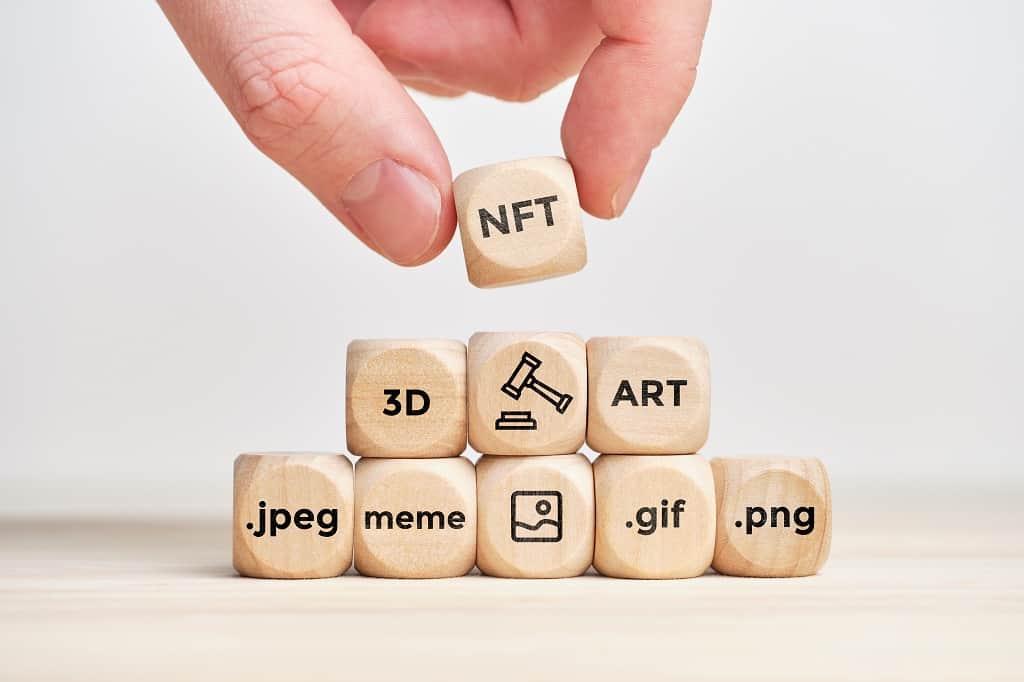
Non-Fungible Token (NFT) is the buzzword these days, and you can see many brands embracing it. We have McDonald’s, Coca-Cola, Nike, Ray-Ban, Louis Vuitton and BMW among the well-known brands that have started their own NFT initiative.

Over here in Malaysia, we have KFC, AEON and MyeongDong Topokki offering NFT with benefits to its holders; whereas MY EG Services Bhd (MYEG) have launched their own NFT marketplace called Pangolin.

Having said that, there’s a local NFT artist that have been making waves worldwide and raking in millions of dollars from his NFT collection. Let’s meet Katun and get to know him a little bit better.

Here are 5 things that you should know about this local NFT artist.

1. How It All Started

Apes R Us Superfarm

Katun is a Graffiti Artist and Illustrator based in Kuala Lumpur, Malaysia. He first embarked on his NFT journey with his manager/partner David Ku. Although the NFT sector locally is still in its infancy, they both shared a common vision and their ideas clicked.

With Katun’s experience in the art community, David believed that they could take it to the next level by stepping into the NFT space. Several months of back and forth conversations with industry leader Elliot Wainman, co-founder of U.S based Superfarm platform, resulted in their partnership that set the groundwork for 4 Stages, which then sets the Apes R Us project into motion.

2. Have Been Creative Since Young

Katun have always been a creative person and he has been drawing since a very young age. When Katun was in kindergarten, he used to imitate all of his favorite 80’s cartoon character styles, and even told his teacher that he wanted to be a cartoonist when he grow up.

What do you know, dreams do come true!

3. His NFT Have Been Sold For Millions

Apes R Us

His recent collection entitled Apes R Us, consisting of 8,444 NFTs was sold out within 28 hours. The collection, which valued at USD7 million, surpassed his previous NFT releases – ‘Apes Stands Strong’ and ‘Mystical Fruits’ – which reached an approximate total sale of USD401 thousand.

He have also worked with renowned international artists such as Chris Brown, Dua Lipa, & Post Malone, and brands such as DC Shoes, JBL, Vans, Sony and New Era.

4. His Advice To Fellow Malaysians

For fellow Malaysians who wants to get involved with NFT, it is important to know the value of your art and your audience. Take your time to create good artwork and most importantly, don’t rush. Don’t stress yourself out on how much you can earn, just enjoy creating instead of thinking about it.

Focus, concentrate, and trust the process.

5. His Plans For The Future

There is plenty in the works regarding the Apes R Us project. He aims to expand and explore other mechanisms and mediums.

A few brand collaborations are in store as well, and anyone that wants to know more about his projects, feel free to join their Discord community and follow their Instagram profile for the latest updates.

Of course we didn’t stop there, we also asked Katun on NFT as an investment tool. Let’s check out his answers.

With The Recent Crash Of Crypto, Will The NFT Market Crash Too?

Concept Nft Buying Selling Digital Art Auction

Personally, he don’t foresee the NFT market crashing. As a creator, he have always been self-motivated, and don’t quit easily.

“Ups and downs are part of the game, you either keep going or you’ll get chewed out. For as long as there are creators in this world, it will always be survival of the fittest”, said Katun.

And we can see that NFT is still in a very early stage. We haven’t even get started talking about Metaverse, which is said to be booming in the next few years – which prompted Facebook to change its name to Meta.

Is NFT A Good Investment To Venture Into?

“If you have a solid plan of action, a valid strategy, I believe money can be made, but my core focus is on building and growing the project, along with the community, and putting emphasis on executing development work”, said Katun.

For investors, yes NFT would be a good investment. But maintaining a diversified portfolio to mitigate the risks involved is equally important.

8 Categories of Real Estate Investment Trusts (REITs) in Malaysia

Real estate or property is one of the ‘cliche profitable’ investment portfolios. Many people said that you can never go wrong with property or real estate investment. They never ‘betray’ you. It performs very well for the last few years.

Before REITs were introduced, an investor need to buy physical property to get exposure in real estate/property investment. But now, with REITs being introduced, an investor can just buy a fraction of the property prices.

Want to get investing started? You can try the easiest one : 5 Easiest Investments You Can Start With In Malaysia

Simply put, REITs offer you a high-value commercial property at just a low price and without the need for you to buy the properties physically. It’s very interesting and tempting! Isn’t it?

We can also say that it’s an investment that gather funds and access better investment opportunities which in this case, property.

So, what are the categories of REITs in Malaysia? This categories came from PropertyGuru.

8 Categories of REITs

1. Hotels

hotel REITs

This includes any property with hotel business and also accommodation

2. Office

This includes office buildings or office spaces.

3. Retails

Malls REITs

This includes malls, shops or commercial shops.

4. Industrial

This includes factories, industrial buildings, and industrial lands.

5. Healthcare

Hospitals property reits

This includes clinics, hospitals, pharmacies or any healthcare buildings.

6. Warehouse

This includes storage and logistic facilities.

7. Carparks

car park reits

This includes car parks or parking infrastructure.

8. Residential

This includes residential properties, multi-unit properties or rental properties.

You can buy this REITs via your CDS account in Bursa Malaysia. These are 18 REITs that you can purchase from Bursa Malaysia as of 1st June 2022.

Image 1
Source : Bursa Malaysia

Remember! There are syariah and non-syariah compliant REITs (this will be discussed in our next article).

The best REITs in Malaysia? Best Reit In Malaysia. Which One Is Better? Is It Time To Invest Now?

As you can see from the image above, you can invest in property (REITs) with less than RM100. It’s kind of great opportunities for those out there that want to save their money, take lower risk without having to buy hundreds of thousands or million of physical property.

What do you think?

Avoiding Behavioural Biases Of Investing

C: Behavioural biases can lead investors to make decisions that can jeopardize their investments

The traditional economic theory assumes that all individual investors would behave and act rationally by considering all information available to them. This would be reflected in the prices of assets and ultimately, what makes markets efficient.

But we know textbook theories don’t apply in real life and investors do not behave rationally all the time. This is particularly true when markets reach euphoric highs or plunge to scary lows.

Following these mental cues or tendencies can be harmful, especially when logic gets thrown out the window. Decisions that may appear rational are in fact detrimental. Here are four common behavioral biases that can lead investors astray and how one can overcome them.

1. Recency Bias

Happy Businessman Celebrating Company Fast Grow

Symptom: If you find yourself reacting immediately to every breaking headline and being trigger happy with your investments, you may be succumbing to recency bias which is the tendency to overemphasize new information.

In the current 24-hours news cycle with the prevalence of social media, the investment realm has become a global echo chamber constantly reverberating with news alerts.

The coronavirus outbreak and ensuing market correction is a more recent example. But if there is something more contagious than any viral outbreak is the spread of fear. Add a web of disinformation and fake news; you have a toxic concoction oozing with fear and market angst.

If you look at past outbreaks like that of Severe Acute Respiratory Syndrome (SARS) in 2003, the incident didn’t create any long-term impact on asset classes and equity markets promptly recovered after the outbreak was contained.

Having a recency bias will also almost certainly lead you to buy when markets are peaking and selling at the bottom.

Remedy: There is nothing wrong with staying informed with new information, but the problem lies in how we react. According to Lim Chia Wei, a portfolio manager of Affin Hwang Asset Management, it is essential to first recognize the media’s thrives by sensationalizing new news.

“I think it is helpful to clearly write down every investment’s long-term thesis. As new information presents itself, we should ask ourselves how the new information will affect our long-term thesis. It is crucial to think in terms of probability. Anything is possible to break or support one’s thesis. But not everything is probable,” he says.

The prevalence of market noise as well as the legitimisation of social media as a reliable news source has injected more volatility in markets. Think US President Donald Trump and his Twitter diplomacy during the US-China trade talks last year. If you reacted to every one of his tweet, you may find yourself burnt in the end by Trump’s randomness.

2. Herding Bias       

Herding Bias

Symptom: There is safety in numbers, correct?  Well not really if you look through history. From Tulipmania in the 17th century, the dotcom bubble in the early 2000s, and the 2008 subprime mortgage crisis, history has shown that investors are willing to suspend disbelief when the going gets good. But, we all know how the story ends when there is irrational exuberance bubbling amongst asset classes.

Investors are social creatures, and we are comforted that someone else is buying into a particular investment too. But the wisdom of the crowd can be wrong and the repercussions severe. More recent examples like the bitcoin mania underscore the dangers of herding behavior. 

The truth is much of today’s market volatility is also fuelled by machines or algo-traders that profit from short-term fluctuation in prices and ignore any fundamental analysis. Behind each market plunge is a digital herd of trading bots programmed to buy and sell based on pre-determined formulas and models.

This ignited a ‘flash crash’ like that seen in 2010 when the Dow Jones Index lost close to 1,000 points in mere minutes. The S&P 500, Dow Jones Industrial Average and Nasdaq collectively lost US$1 trillion. But in 36 minutes, the rout was over and markets rapidly recouped its losses.

Remedy: Stop focusing on what the crowd is doing. Instead, work on developing a plan that is right for you. Understanding the self is the first step in modeling a portfolio that is meant to serve your life goals and financial aspirations.

Next, concentrate efforts on building a diversified portfolio that fits your own financial goals and risk-appetite. Intraday fluctuations in markets are unlikely to bother you if you are well diversified across asset classes. 

A diversified multi-asset portfolio with low correlations helps smoothen the investment journey when faced with adverse market conditions. In turn, this would induce investors to stay invested and reap the benefits when markets bounce back.

3. Loss aversion bias 

Loss aversion investment bias

Symptom: We all hate to lose money. But if you find that fear of loss crippling and clouding your decision-making, you may be suffering from loss aversion bias. Investors often feel more acutely the pain of loss than the pleasure they reap from gains.

Why are we so afraid of loss? It’s an emotive response that is typically hard-wired into someone’s psyche. In markets, this is manifested through behaviors of extreme risk-avoidance, such as investing in only low-risk, low-return investments and selling immediately at the first sign of a headwind.

This behaviour is counterproductive to investors’ financial goals by not fully utilising their capacity for risk and financial resources.

Remedy: Investors’ memories are by nature short-term and most of the time we only remember the bad parts. If you are feeling jittery about markets, consider rebalancing your portfolio to its target asset allocation or locking-in gains to raise some cash.

Importantly, work on developing a financial plan that suits your goals and risk-appetite. If you cannot stomach the volatility, chances are that you may be taking too much risk and there is a portfolio mismatch.

Chia Wei believes it is important to have the right perspective of performance to overcome one’s loss aversion bias. “History has shown that taking a long-term investment approach and sitting through short-term declines has been very rewarding. Investors should push themselves to focus on the long-term prospects and de-emphasise short-term events.”

4. Confirmation bias 

Symptom: One of the more common behavioral biases amongst investors stems mainly from overconfidence, particularly in bullish market conditions. When investors are misled to think they are invisible in the marketplace when they are raking it in, this can lead to tunnel vision when they only seek out information that supports or confirm their view.

For example, say you just added a new stock into your portfolio. When you continue your research on the stock, you only click on positive headlines which support your decision but avoid negative ones. Restricting yourself to such information only confirms your own assumptions that may lead you to miss important red flags or warning signs.

Remedy:  Be open to new sources of information that may not sit well with you. Ask yourself if the issues raised have their merits and if they would impact the fundamentals of a particular investment you just made. It’s not easy to challenge your own assumptions. Still, it is important to do so, especially when there is a lot of hype built-in and technical indicators are pointing to overbought territory.

Investing With Clarity

The first step in overcoming behavioural biases is to understand why we have such tendencies in the first place. But proper planning with clear financial goals can help anchor investors and guide them in their financial journey no matter how markets behave.

Stick to a disciplined approach by investing consistently and be conscious about the decisions you make to navigate markets confidently. 

About the Author

Lee Sheung Un

Lee Sheung Un is a communications officer at Affin Hwang Asset Management. A millennial, he is still finding that balance between wealth, freedom and purpose. Views expressed are his own.