The internationally renowned analyst firm Gartner® has released the Magic Quadrant for Enterprise Storage Platforms 2025, with Huawei being placed in the Leaders Quadrant, the only non–North American vendor to do so.
Huawei Data Storage continues to advance technological innovation, leveraging an AI-ready data platform, robust data resilience and efficiency, and advanced intelligent data management to comprehensively meet the diverse needs of enterprises in hybrid-cloud, AI, and critical business use cases.
Huawei’s Data Storage solutions are used in more than 150 countries and regions worldwide, serving clients in industries such as finance, telecommunications, manufacturing, healthcare, government, and public utilities across Latin America, Europe, the Middle East, Africa, and the Asia-Pacific region.
According to the Malaysia Consumer Trend Report 2025, a nationwide survey of 500 Malaysians has found that 91% of consumers are open to the idea of purchasing sustainable products. However, this intention is heavily tempered by price sensitivity, with the majority only willing to pay less than 10% more, revealing a significant gap between eco-conscious desires and purchasing reality.
This brings us to the pivotal question: while people may care about the planet, are they willing to pay more to protect it? The data reveals a clear answer: only if the price is right.
Widespread adoption is blocked by three major barriers:
cost (most will only pay <10% more),
credibility (32.4% are not sure if eco-friendly claims are real), and
convenience (18.2% find sustainable products hard to find).
In short, consumers want to buy green, but to do so confidently, they need clarity, price confidence, and better accessibility to actually follow through.
Growing Awareness Doesn’t Always Translate into Action
This intention-action gap is further highlighted in daily habits. While many Malaysians are familiar with the core pillars of sustainability, Reduce, Reuse, Recycle, full adoption is still a work in progress.
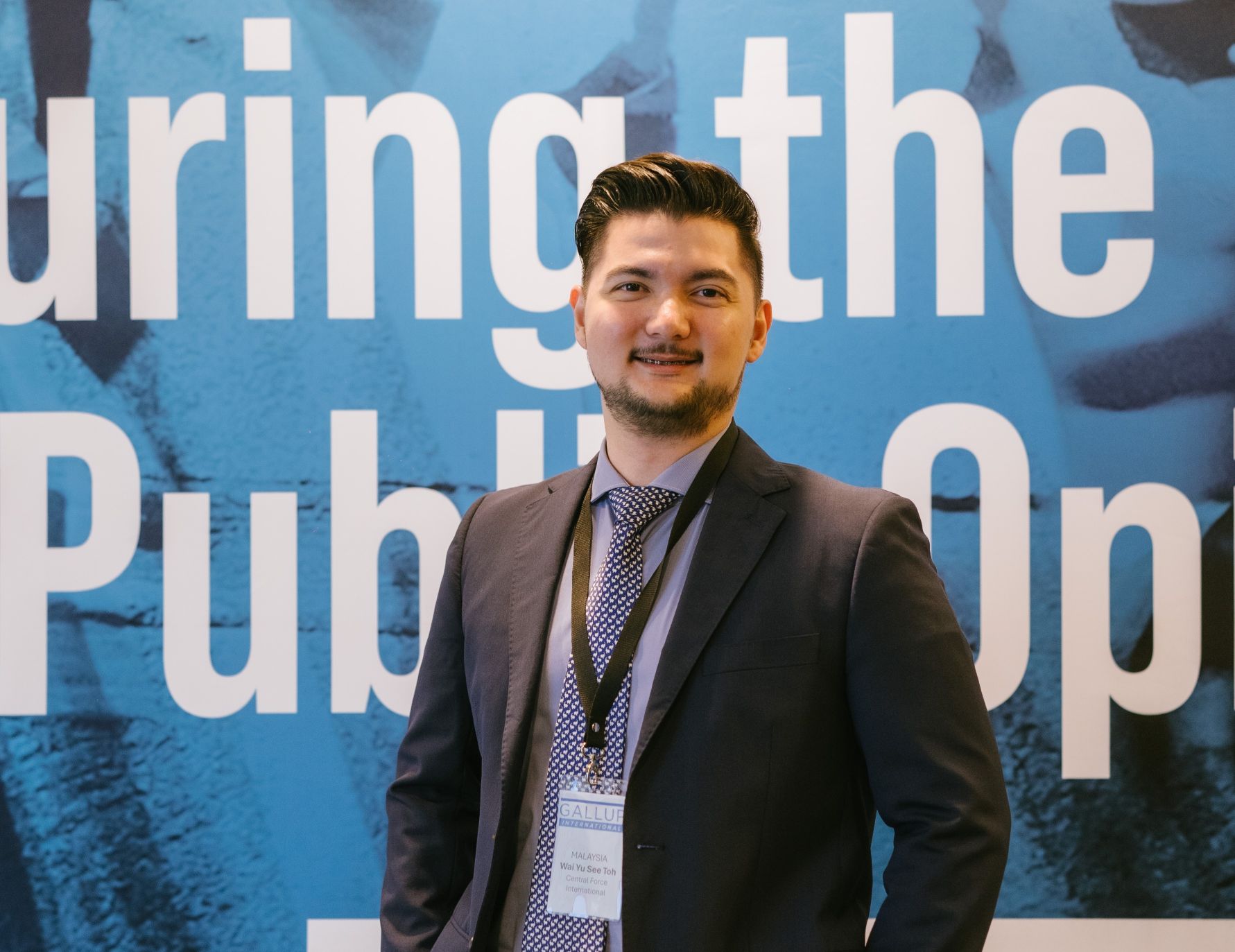
“Malaysians are trying, but their sustainability behaviour is still fragmented,” said See Toh Wai Yu, Chief Executive Officer of Central Force International. “While the intention exists, execution is often uneven due to habit, lack of infrastructure, or simple inconvenience. This is where businesses can step in to make sustainable choices.”
According to the report, only 48.8% of Malaysians consistently practice the 3Rs, meaning that vast amounts of valuable resources still end up in landfills. In Selangor alone, 10,000 tons of waste are generated daily, making it the nation’s largest contributor and a significant source of emissions. The urgency is clear, businesses must step up with practical, low-friction solutions such as refill programs, recycling partnerships, and in-store prompts to help turn consumer awareness into consistent green action.
Furthermore, action-reward steps are a powerful way to encourage change. Motivation is key: the study found that 26.2% of Malaysians would practice 3R habits more often with rewards.
“Consumers are open to adopting greener habits, but they want it to feel worthwhile, not burdensome. Therefore, simple reward systems can build lasting habits,” added See Toh.
The survey indicates that while a willingness to adopt sustainable habits exists, consumers remain practical in their approach. To align with this value-driven mindset, businesses must tailor their products to offer clear and compelling value. This behavior suggests that purchasing decisions are influenced more by conscious prioritisation than by a lack of interest or weak habits regarding sustainability.
Festive Spending: A Resilient Economic Engine
Per the survey, consumers’ selective spending behaviour, and purchase priorities are shown to extend to other areas as well. Examining spending patterns during culturally meaningful occasions like festivals, for example, highlights a continued willingness to spend as they prioritise on sectors that prioritise celebrations, gifting, and presentation. Supporting this trend, the report also uncovered that festive spending remains a non-negotiable priority for Malaysians, defying broader cost-of-living pressures. This cultural spending is a powerful economic driver, evidenced by a 5.7% year-on-year jump in wholesale and retail trade to RM154 billion during the festive period.
How to Win the Sustainable Shopper
To succeed in this space, a strategy must reflect both the emotional support for eco-consciousness and the financial realities of daily life. The report advises businesses to make their products: Affordable, Transparent, Accessible and Motivating
Sustainability is not just a trend; it’s an evolving consumer expectation.
Airwallex, a leading global financial platform for modern businesses, has acquired OpenPay, a San Francisco-based billing platform that offers subscription management, payment orchestration, and revenue analytics. The acquisition will bring OpenPay’s billing and analytics capabilities into Airwallex’s global platform, strengthening Airwallex’s position against other players like Stripe Billing and Recurly, and empowering Airwallex customers to unlock and automate revenue growth.
“Most billing systems are locked in the past, they were never designed for a global, multi-currency world. That’s the gap we’re closing,” said Jack Zhang, Co-founder and CEO of Airwallex. “By bringing OpenPay’s subscription management, orchestration, and analytics capabilities into Airwallex, we’re creating the first truly global billing platform. The OpenPay team brings deep technical strength and a shared conviction in our vision, and we’re thrilled to have them on board as we help businesses scale seamlessly across borders.”
“We started OpenPay to solve the complexity of recurring revenue management. We envisioned a smarter, more intuitive platform that empowers subscription businesses to scale without barriers,” said Lance Co Ting Keh, CEO of OpenPay. “In Airwallex, we found a partner who shares our vision, our DNA and has the global reach to apply our work at scale. We are very proud of what we’ve built and excited for our next chapter as we partner with Airwallex to set a new standard, creating a paradigm shift in global payments.”
OpenPay has distinguished itself through its development of automated features like smart payment routing, AI-driven retention tools, real-time insights and subscription management for tiered, usage-based, and flat fee models. Demand for hybrid and usage-based billing – tied to actual product usage as opposed to static, seat-based pricing – is rising as AI companies and other consumption-led businesses monetize by tokens, calls, and computes. With OpenPay, Airwallex will offer built-in usage-based billing that works across borders and currencies.
With this acquisition, Airwallex isn’t just entering billing – it’s redefining it. By marrying global financial infrastructure with modern subscription management, Airwallex is creating the first truly global billing platform: one that lowers costs, increases revenue, and lets businesses scale subscriptions without borders.
Financial terms of the transaction are not disclosed.
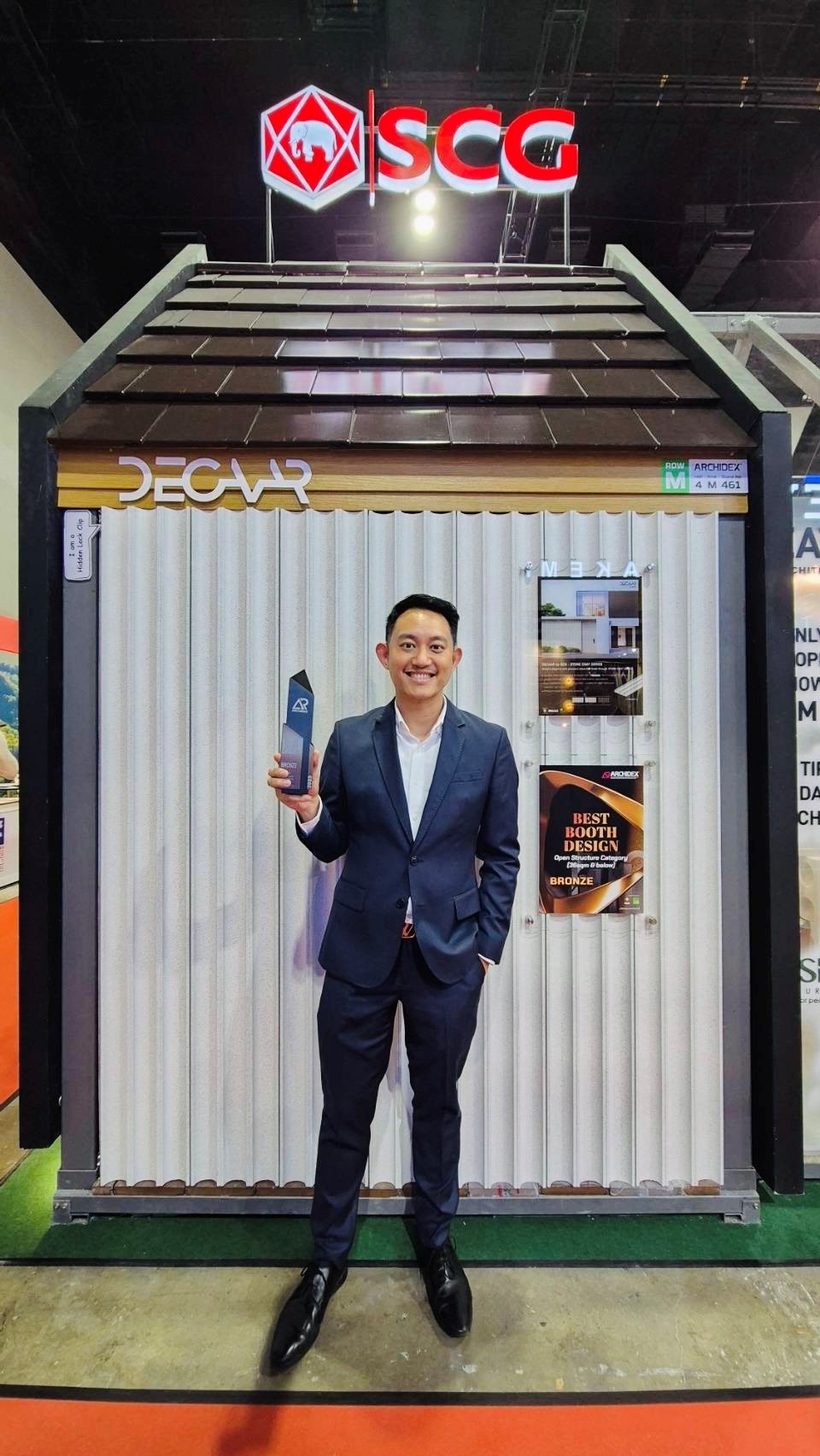
SCG, a pioneering force in building materials innovation, made architectural history at ARCHIDEX 2025 with official launch DECAAR by SCG, a revolutionary façade system that redefines how buildings interact with natural light. The groundbreaking technology was unveiled at The 24th International Architecture, Interior Design & Building Exhibition, held at the Malaysia International Trade and Exhibition Center (MITEC).
Under leadership of Mr.Chanon Sangkaew, Export Manager, SCG collaborated with AKUBIG X SURIWONG to present cutting-edge building solutions that combine aesthetic excellence with superior performance. The company’s participation was recognized with a Bronze Award in the Best Booth Design.
DECAAR by SCG: Revolutionary Façade Technology
Operating under the concept “Build to Catch the Light. Made to Move with Its,” DECAAR transforms static building surfaces into dynamic, light-responsive architectural elements using advanced extrusion technology.
Three Innovative Product Lines:
Modish V: V-shaped profiles that maximize light capture and shadow play, creating façades that perform from sunrise to sunset
Modish U: Engineered with light as the primary design element, creating dramatic shadow effects while maintaining structural integrity
C-Channel: Delivers precision and uniqueness to architectural works with clean lines and structural efficiency
DECAAR’s advanced extrusion technology enables complex profiles previously impossible to manufacture, offering enhanced structural strength with lightweight properties, superior weather resistance, unprecedented design flexibility, and reduced installation time.
Comprehensive Building Solutions Portfolio
SCG Smartwood: Merging the natural warmth of wood with fiber cement strength, offering eco-friendly, low-maintenance
Next-Generation SCG Smartboard ULTRA: The fiber cement board with three major improvements:
20% enhanced durability
Advanced Anti-Mold Technology
Eco Heart certification by EPD International, demonstrating environmental responsibility
Premium Roofing Solutions:
SCG Roman Tiles (Atap Gajah): Market-leading position in eco-friendly roof systems
SCG Concrete Roof: Long-lasting color retention and superior structural strength
Market Impact
DECAAR launch at ARCHIDEX 2025 signals SCG’s transition from traditional building materials supplier to technology-driven architectural solutions provider, with numerous architects and contractors expressing immediate interest in innovative technology.
The Big Tiny story started in 2016, during Adrian’s family trip along Australia’s iconic Great Ocean Road. As his family journeyed through the coastal vistas and rural retreats, an idea began to take shape: What if this sense of calmness could be made accessible to others, anywhere in the world through sustainable and mobile living?
Pioneering eco-friendly getaways: Dave Ng, Adrian Chia and Jeff Yeo.
Upon returning to Singapore, Adrian shared his idea with two long-time friends and soon-to-be co-founders at Big Tiny, Dave Ng and Jeff Yeo, both former Singapore Army and Navy scholars respectively. Together, they envisioned crafting tiny houses on wheels that would bring this same restorative clarity to others while simultaneously empowering communities.
A Product Designed for Shared Success
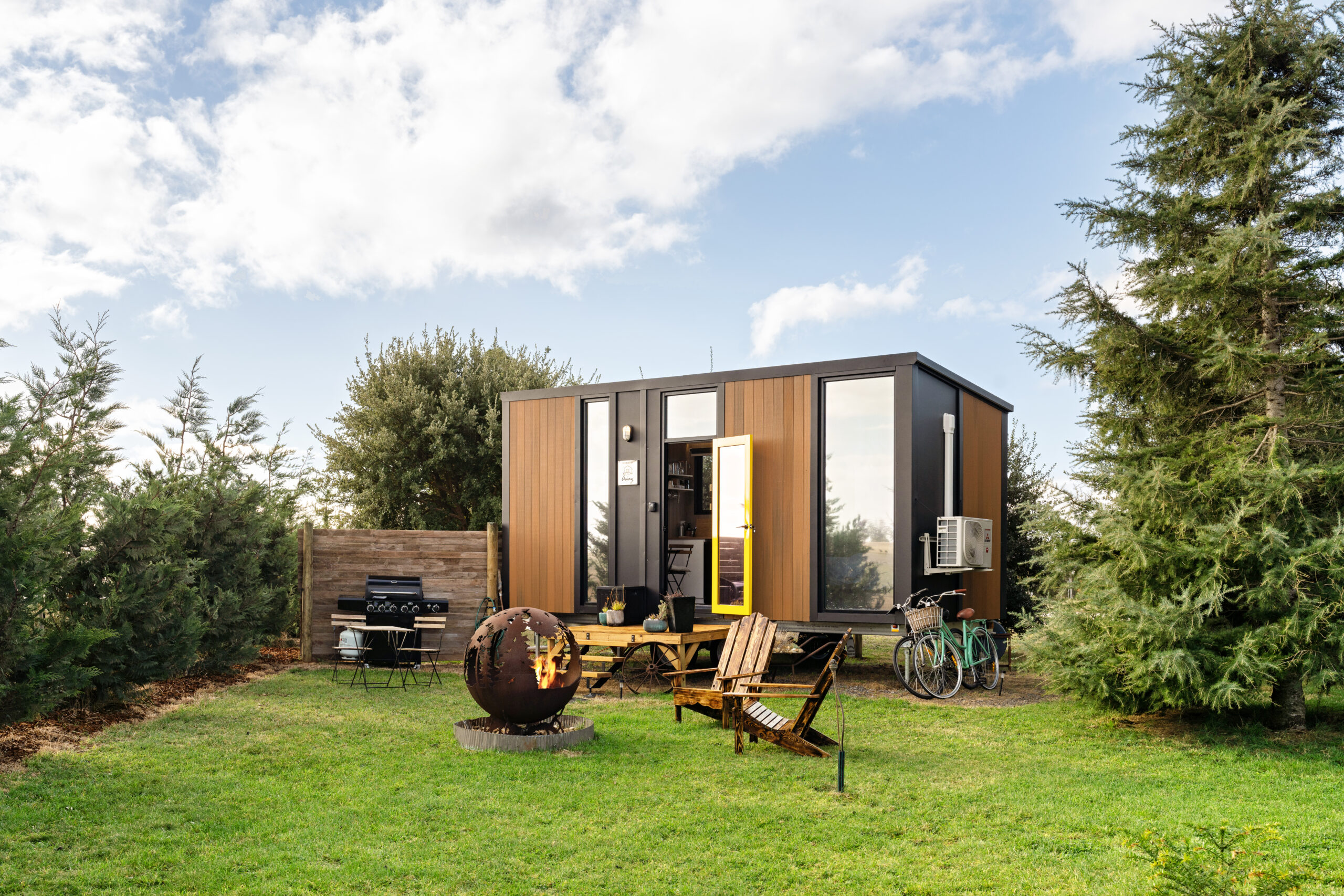
Comfortable and cosy – inside a quaint tiny house.
Big Tiny was officially launched in 2017. Its product derives from a simple concept which made perfect sense—travel and leave a positive impact on a place and its people.
The founders believe that the modern life-style, for all its conveniences, often distracts people from the basics—nature, simplicity and meaningful moments. With that, its brand mandate is centred around helping people to reconnect with themselves and nature.
The company and its products are defined by three robust core values:
Connection with Nature: Locations are carefully selected where guests can wake up to wide open skies, immerse themselves in pristine landscapes and experience the quiet beauty of the outdoors. Big Tiny’s low-impact builds are designed to preserve the integrity of these natural environments.
Simplicity with Purpose: Every Big Tiny stay is intentionally minimal yet complete, removing the noise of modern living while ensuring comfort and functionality. From the design of tiny houses to the curated experiences offered, Big Tiny champions the idea that less can be more—more meaningful, more sustainable and more fulfilling.
Sustainability through Experience: Rather than preaching eco-consciousness, tiny houses invite its guests to experience it through the stillness of a stay, the satisfaction of living with less and the joy of discovering the surroundings. These tiny houses are not just a place to sleep; they are vessels for a lifestyle shift—subtle, but lasting.
These values are woven into the very fabric of a Big Tiny experience, from the layout of a tiny house to the way it partners with landowners and communities. Ultimately, the brand doesn’t just offer accommodation—it’s a chance to pause, reflect and return to what’s essential.
As a proud pioneer in this niche eco-tourism space, Big Tiny designs, builds and manages eco-conscious tiny houses on underutilised lands—transforming idle plots into revenue-generating destinations. These tiny homes are then placed within its Tiny Away web platform (tinyaway.com) for bookings, alongside 11 other online travel sites.
But the company doesn’t do it alone, of course, as it involves strategic partners along the process. Its ecosystem brings together landowners, tiny house buyers and travellers on a single beneficial model for all parties.
“Basically, there are three external core parties involved in the equation with us being the linchpin that pulls together everyone. Let’s say you own a piece of land which you don’t have any plans for but is the perfect spot for our tiny houses. So, hosting a tiny house on your land naturally unlocks a revenue stream for you while guests can have access to a unique, nature-immersive stay. The landowners are not the only income earners; a tiny house buyer too can earn passive income through our tiny house sale and management programme,” explained Adrian.
As for Big Tiny, it holds critical roles for its end-to-end capability—from land activation to architectural design to operations—the company’s full-stack solution gives it greater control over quality, scalability and sustainability. Big Tiny’s position as a curator of experiences evokes emotional resonance for guests, backed by operational efficiency and proven returns. This is what truly sets Big Tiny’s unique selling proposition.
Apart from being positioned as an accommodation, tiny houses too can function as:
A comfortable home office, studio or workshops venue.
An outstanding pop-up cart or a Farmer’s Market Stall.
A guest house or even a holiday home—an affordable luxury indeed!
Tiny Houses Everywhere!
A tiny house perched on the pastures of Glenlyon, Australia.
Since its first in Australia, Big Tiny is gradually taking over the globe, despite its business being disrupted during the pandemic. Today, the brand operates in Australia, New Zealand, Japan, Malaysia, Taiwan, Singapore, China and Europe, building a thriving ecosystem and establishing itself as a key player in the alternative accommodation space. In many ways, Big Tiny has exceeded its initial expectations for brand traction, buyer interest and global reach.
Scattered across 19 countries, each market presents its own unique landscape and audience for the tiny home experience:
In Australia where its journey began, the concept of tiny house strongly resonates with both domestic and international travellers seeking authentic, nature-based getaways. The expansive rural terrain, paired with growing interest in sustainable travel, created a fertile ground for the brand to grow.
Big Tiny’s minimalist concept strikes a chord with New Zealand and Japan as it aligns with their respective cultural values—connection with nature through its refined, thoughtful designs.
A tiny house in Malaysia.
In Malaysia, the brand is seeing growing interest from both eco-conscious millennials and families looking for unique, short-haul experiences, especially as awareness of sustainability and experiential travel continues to rise. In December 2024, Big Tiny and IOI Properties Group Berhad embarked on a strategic collaboration with the placement of tiny homes at the Amigo Clubhouse @ 16 Sierra in Puchong. This partnership supports both entities’ environmental, social and governance (ESG) vision towards sustainable, eco-living, while offering guests immersive, nature-inspired experiences.
Singapore, despite being its headquarters and an urban market, has shown strong interest and demand for nearby, nature-based escapes—especially with Big Tiny’s expansion into Lazarus Island.
Europe’s entry has been more exploratory at this stage but promising, with pilot activations in scenic regions sparking conversation and demand for low-impact, mobile-friendly tourism infrastructure.
Additionally for this year, its footprint continues to expand with profound milestones achieved during the first half of 2025. Big Tiny has entered the China market beginning with Guangzhou, on top of enhancing its portfolio in Australia, raising its profile in Taiwan and Singapore’s Mandarin-speaking communities. Each presence and initiative are a bold move reaffirming the borderless resonance of sustainable, experiential-led travel.
Its official presence in China as one of Asia’s most dynamic tourism markets has generated strong traction through its tiny house owner-ship programme, and the brand is preparing for Shenzhen next.
Juggling Dream and Reality
Establishing Big Tiny came with its fair share of obstacles. While the concept made perfect sense, it was anyhow, one that was still nascent.
Adrian reveals its biggest road-block, “Convincing both ends of the spectrum—landowners and travellers—to embrace a new way of experiencing nature through compact homes on wheels against the backdrop of remote landscapes. As an unconventional and almost un-heard-of concept, it demanded persistence, thoughtful education and clear articulation of our vision to gain trust and build traction”.
It also stretched logistical capabilities as Big Tiny needed to source sustainable materials and design both on- and off-grid systems, all while ensuring regulatory compliance across different countries was met.
“With a problem-solving mindset, we undertook the strategy of engaging partnerships. Supported by the right parties, we were able to scale our vision—from securing scenic plots, refining operations, increasing footprints and delivering nature-based stays that integrate and balance eco-conscious values with comfort and accessibility,” said Adrian.
More importantly, Big Tiny resiliently kept to its belief that it wasn’t just building tiny houses, instead it is essentially reshaping human-nature interaction, one stay at a time. Naturally, this belief continues to drive the brand forward today.
The Next Big Tiny Stride
The future is promising, as the company believes that eco-conscious travel will shift from doing less harm to actively giving back.
“Our guests will continue seeking regenerative experiences that will positively impact local ecosystems and communities, and this movement is likely to grow amongst the travel community,” explained Adrian.
Big Tiny foresees travellers expecting:
Personalised Sustainability: Data driven choices (from energy use to local sourcing) tailored to each guest’s values.
Deep Cultural Immersion: Hands on conservation, farm-to-table dining and authentic storytelling with local partners.
Tech-enabled Transparency: Real-time carbon and water use tracking, renewable energy dashboards and blockchain-backed supply chains.
With its projection, Big Tiny is adopting a ‘living lab’ model to stay at the forefront of its game. This model is propelled by piloting various environmental technology solutions, circular material construction and AI-powered guest experience platforms.
Additionally, it continues to forge strategic alliances with conservation groups and smart-tech startups to co-create the next generation of tiny house modules that are not just low in impact but ultimately net positive.
At the end of the day, by continuously iterating on de-sign, embedding real-time sustainability and amplifying local community benefits, Big Tiny is positive that the brand will lead the transformation from eco-friendly stays to re-generative travel destinations.
For more information on Big Tiny, visit www.bigtiny.com.my.
This article is featured as the Cover Story for The SmartInvestor’s September/October 2025 issue.
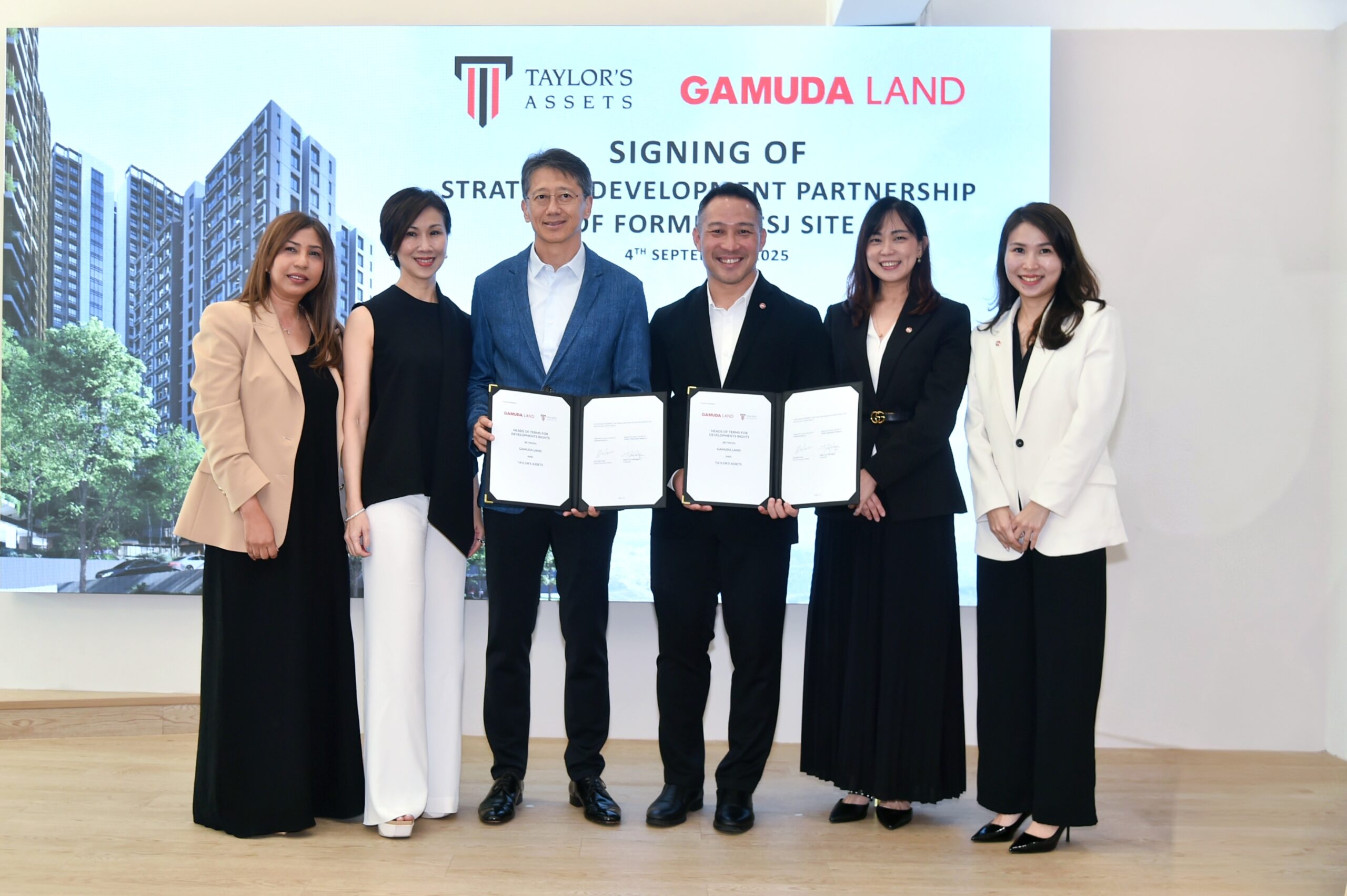
Gamuda Land, the property development arm of Gamuda Berhad, has entered into a synergistic collaboration with Taylor’s Assets, the property investment and asset management arm of Taylor’s Education Group, to redevelop a prime 2.88-acre freehold commercial site in SS15, Subang Jaya. This redevelopment is part of Taylor’s Assets’ strategic initiative to strengthen its education real estate portfolio, with Gamuda Land invited as the development partner. The collaboration reflects a shared vision of building a stronger, more vibrant community while reinforcing Taylor’s long-standing presence in Subang Jaya.
With an estimated Gross Development Value (GDV) of RM500 million, the redevelopment will introduce a vibrant mixed-use development comprising serviced apartments, purpose-built student accommodation (PBSA), and retail spaces to enhance SS15’s livability and commercial vibrancy. Addressing the acute shortage of quality student accommodation in Subang Jaya, the project directly responds to the growing demand for PBSA and is targeted for completion in November 2029.
“This redevelopment is a strategic step forward for Gamuda Land as we continue to apply our town-making expertise beyond our core township developments. While large-scale townships remain our foundation, select urban regeneration projects like SS15 allow us to contribute meaningfully to matured neighbourhoods through smart design, connectivity and integration. With a carefully planned mix of serviced apartments, purpose-built student accommodation (PBSA), and retail — all designed with liveability, accessibility and community in mind — the development will rejuvenate a well-loved part of Subang Jaya,” said Chu Wai Lune, Chief Executive Officer of Gamuda Land.
“The SS15 prime site has long stood as a legacy landmark for Taylor’s, and this redevelopment marks a bold step in reimagining its role for the future. This transformation will not only revitalise the heart of Subang Jaya but also reaffirm its significance as a centre of community life. Importantly, this project will add 401 bedrooms to our PBSA portfolio, with the ambition to expand student accommodation inventory as demand strengthens. In doing so, the development enhances Taylor’s ability to respond to market needs with flexibility and foresight. Through this project, Taylor’s Assets further strengthens its leadership in the PBSA market, benchmarking Malaysia’s offering against established markets in the UK, US, and Australia. We are also open to expanding collaborations with other developers and education operators to grow this segment sustainably across Malaysia and the region.” said Dato Loy Teik Ngan, Group Executive Chairman of Taylor’s Education Group.
The development will include a purpose-built student accommodation (PBSA) tower, managed by Taylor’s Hostel Management — the multi award-winning student accommodation operator renowned for delivering quality living experiences. The PBSA will help address the growing need for quality student accommodation in Subang Jaya, particularly for first-year students.
This project underscores Taylor’s Assets’ broader growth strategy to diversify within the education sector, with PBSA positioned as a core anchor. With an established presence in Malaysia, Singapore and Vietnam, Taylor’s Education Group aims to expand its portfolio through capital-efficient partnerships that generate recurring income, enhance community impact, and deliver sustainable long-term returns.
The masterplan includes three towers and a retail hub: a 31-storey and a 30-storey serviced apartment tower, alongside a 17-storey purpose-built student accommodation tower. Thoughtfully designed as a community-centric lifestyle hub, the development complements SS15’s vibrant commercial scene with a retail hub fronting Jalan SS15/8, designed to encourage walkability and social interaction.
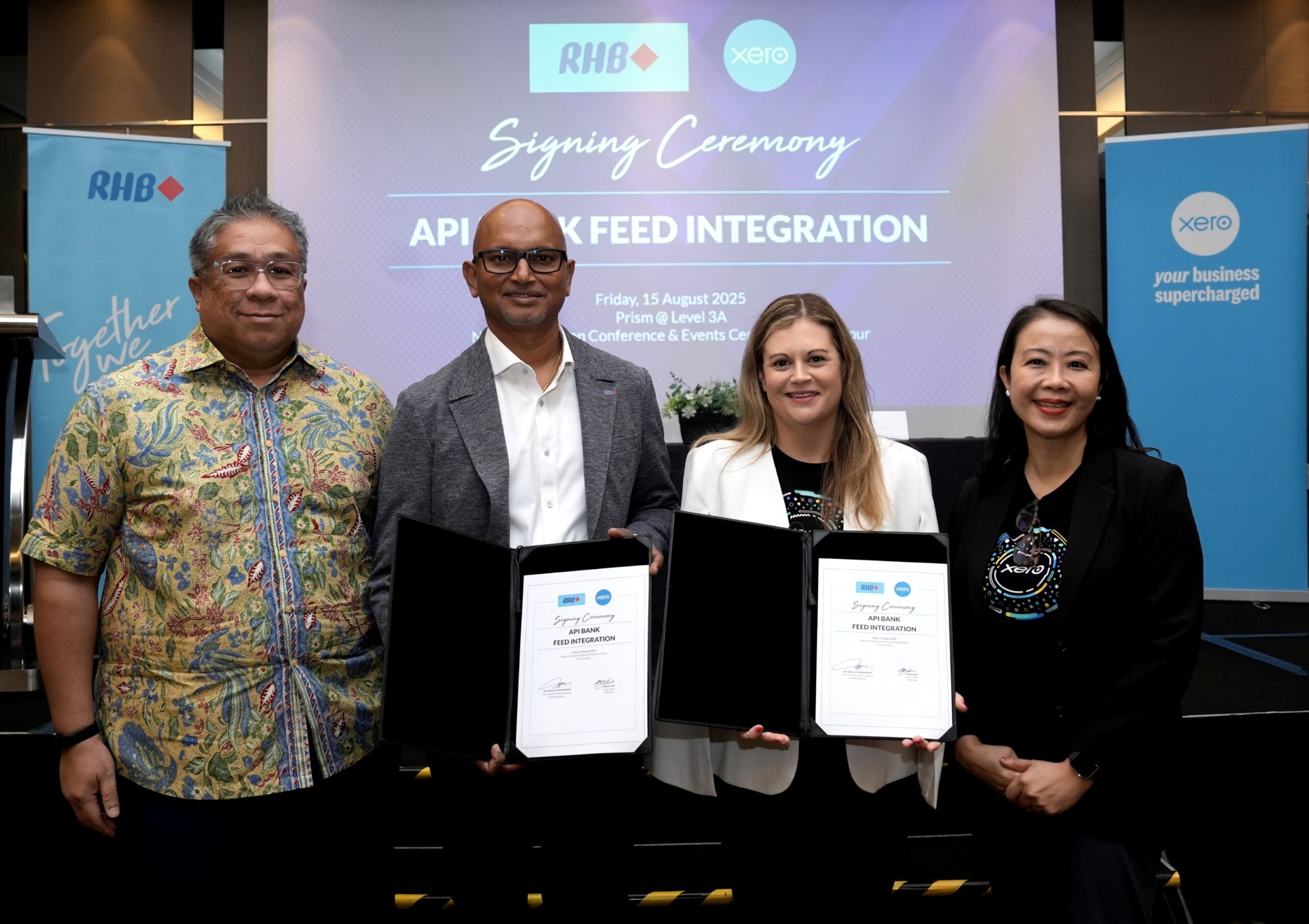
Global small business platform, Xero and RHB Banking Group (RHB) have partnered to provide Malaysia’s small and medium enterprises (SMEs) with seamless daily access to financial data through a fully digital API-enabled bank feed.
The integration enables SMEs to automatically and securely import data from their RHB bank accounts into Xero each day – thus reducing the need for manual uploads and data entry, lowering the risk of errors and saving valuable time reconciling transactions. With an accurate daily view of their cash flow within Xero, SME owners will gain deeper insight into their business performance, enabling them to make better-informed decisions that drive growth.
“We know running a business is challenging, and our goal is to make it simpler. By connecting RHB’s banking services directly with Xero’s platform, we’re eliminating time-consuming manual data entry and giving business owners a clear, real-time view of their finances. This is about more than efficiency — it’s about empowering SMEs with the confidence and insights to grow, create jobs, and strengthen Malaysia’s economy. Together, we’re helping drive the digitalisation of Malaysian SMEs and building an ecosystem where they can thrive,” said Koren Wines, Managing Director of Xero Asia.
“RHB is committed to supporting the growth of our SME customers through a connected ecosystem of simple, seamless banking experiences,” said Nurjesmi Mohd Nashir, Managing Director of Group Wholesale Banking, RHB Bank. “We aim to help our customers operate more efficiently with services and tools that streamline financial management. This new bank feed that integrates directly with Xero enhances visibility and control. This helps our customers to make informed decisions and empower them to grow their businesses with greater confidence over the long term.”
The Xero-RHB Bank feed is currently in beta testing and will be available to all Malaysian Xero users with an RHB bank account in August 2025. It will be offered at no additional cost, with a seamless and fully digital setup process.
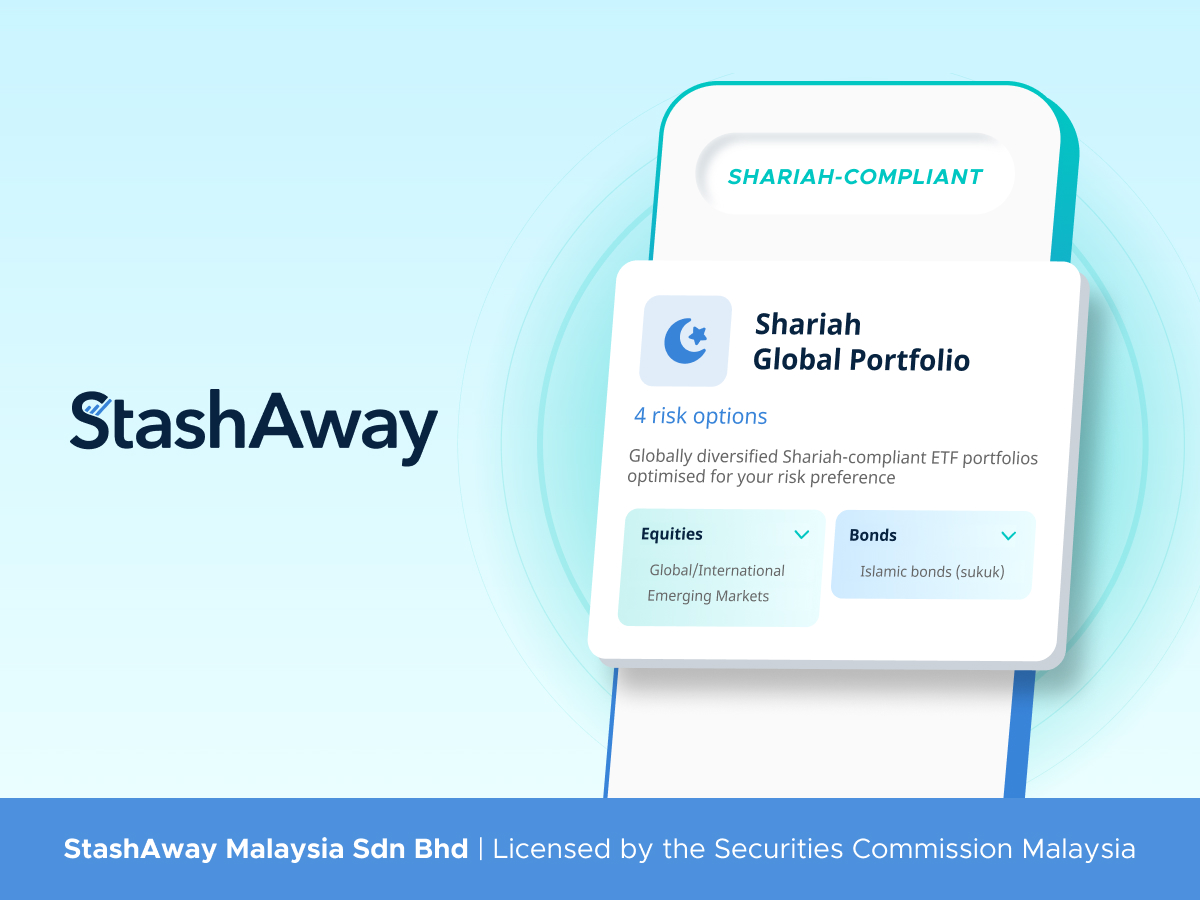
StashAway, Malaysia’s leading digital wealth management platform, has announced the release of its Shariah Global Portfolios. These Shariah-compliant diversified portfolios have delivered back-tested returns of up to 14.4% annually over the past five years.
The portfolios have demonstrated strong 5-year annualised composite historical returns ranging from 7.3% to 14.0% annually, positioning them competitively against conventional investment options. Built with low-cost Shariah-compliant ETFs, which have ample liquidity and low tracking errors, clients benefit from efficient execution.
“We are proud to offer a solution that empowers more Malaysians to grow their wealth with their Shariah-compliant values. With our Shariah Global Portfolios delivering competitive double-digit returns, investors can access global growth opportunities while staying aligned to Islamic principles. We believe that the global exposure of our Shariah-compliant offerings is highly complementary to Malaysians’ core investments such as Amanah Saham Bumiputera and retirement-focused Employee Provident Fund which provide primarily domestic exposure,” said Wong Wai Ken, Country Manager, StashAway Malaysia.
StashAway’s offering provides investors with four distinct risk levels to match different investor profiles, from moderate to very aggressive. The globally diversified portfolios offer exposure, through ETFs, to global equities, US equities, emerging market equities global Sukuk and gold, helping reduce over-concentration risk. Clients are also able to use these ETFs to build portfolios through StashAway’s Flexible Portfolios which include the asset classes listed above, alongside Silver, Bitcoin and Ethereum ETFs.
StashAway’s Shariah-compliant offerings have been screened and certified by Masryef Advisory, a Shariah advisory firm registered with the Securities Commission Malaysia (SC). Ongoing reviews ensure portfolios remain aligned with Islamic principles, giving investors peace of mind.
“Our partnership with StashAway reflects our shared commitment to enabling ethical, faith-aligned investing. Every ETF in the Shariah Global Portfolios has been rigorously screened and vetted based on globally recognised Shariah screening methodology. Investors can have confidence that their portfolios remain Shariah-compliant.” said Khairil Anuar, Principal, Masryef Advisory.
This comes at a time when Malaysia’s Islamic finance sector continues to expand, with increasing investor appetite for Shariah-compliant investment products that deliver competitive returns. StashAway’s solution provides access to global markets which previously has proven difficult for individual investors to access cost-effectively.
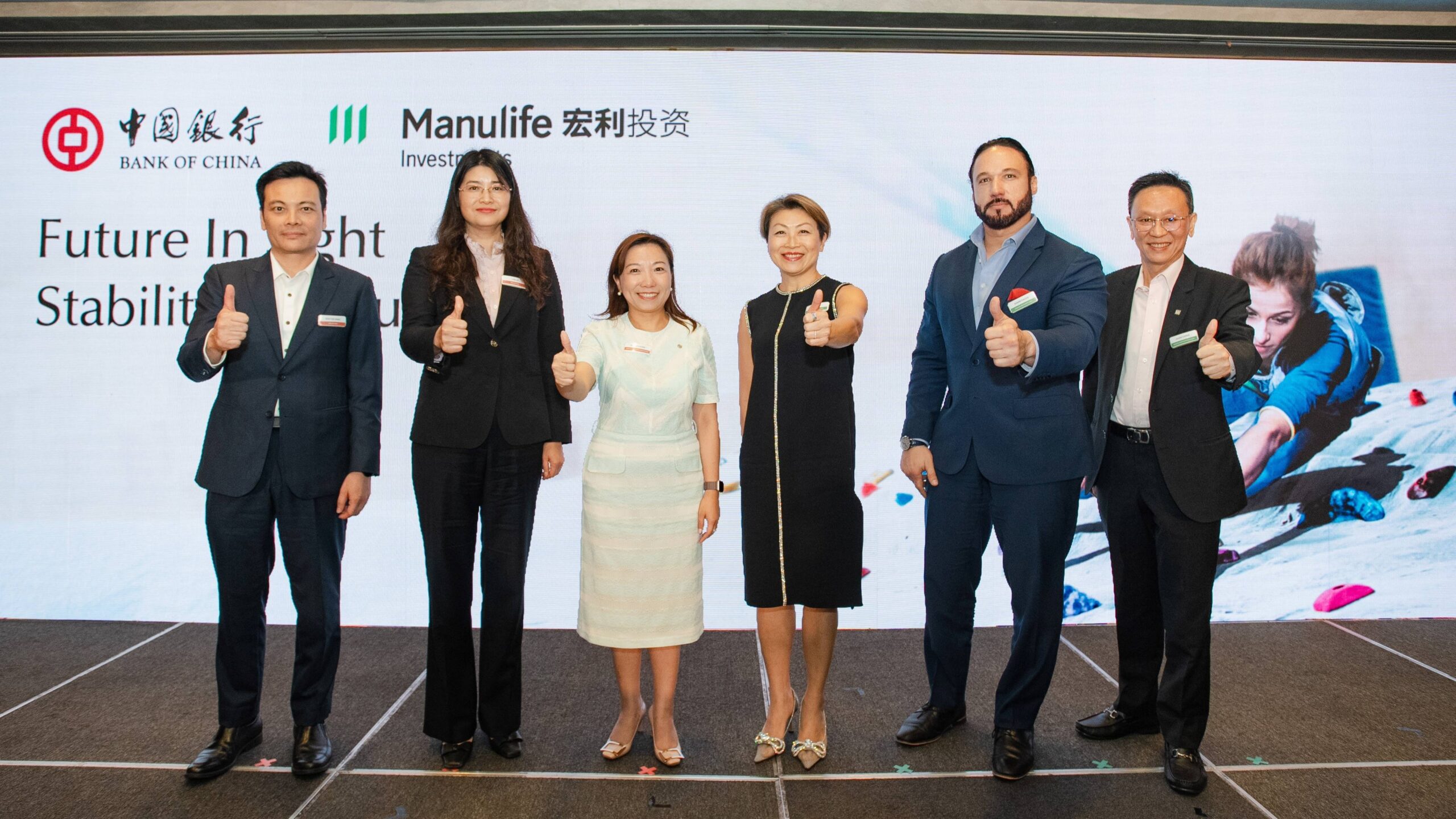
Financial wellbeing is increasingly recognised as a key pillar of long-term health and longevity, with many acknowledging that financial fitness can significantly influence their quality of life as they age. In response to this growing awareness – and the pressing need to help investors in Malaysia better prepare for retirement – Manulife Investments and Bank of China (Malaysia) Berhad (BOCM) announced that they are offering BOCM clients the Manulife Global Multi-Asset Diversified Income Fund (the Fund). The Fund invests at least 85% of its net asset value into the Manulife Global Fund – Global Multi-Asset Diversified Income Fund (the Target Fund).
The Manulife Global Multi-Asset Diversified Income Fund is suitable for investors who seek regular income, and wish to participate in a diversified portfolio of assets in the global markets, and have a medium to long-term investment horizon.
A recent survey[1] conducted by Manulife revealed that only 58% of Malaysians believe they have sufficient funds for retirement – raising concerns that the remaining 42% may face health and longevity challenges post-retirement. Additionally, over half (56%) believe it is critical to have a steady income stream after retirement, while nearly one-third say a diversified investment portfolio helps bridge their financial gap.
The Manulife Global Multi-Asset Diversified Income Fund takes a differentiated approach to income generation, focusing less on equity appreciation and more on delivering yield through fixed income and an option writing strategy. A key feature of the strategy is the tactical use of option writing, which may provide a steady income stream in both rising and falling markets. Option premiums tend to increase with market volatility, making this approach particularly valuable during market downturns – when traditional capital payouts may be under pressure.
Yan Ye, Deputy Chief Executive of BOCM, said “BOCM understands that the country will become an aged nation earlier than expected by 2040, with those who are 60 years old and above accounting for 17% of the population[2] . According to a public mandatory retirement scheme, most Malaysians do not have enough savings for their retirement. Therefore, planning for retirement should start early to enable individuals to adopt suitable strategy. As a financial service provider, BOCM provides banking solutions that bridge the financial needs of Malaysians. Leveraging the Fund’s objective and Manulife Investments’ fund management expertise over the years, we are onboarding the Fund on our platform to enhance the range of options available for our customers’ selection.”
Grace Ho, Head of Retail Wealth Distribution and Direct Digital Business, Asia, Manulife Investments said: “We are pleased to offer the Manulife Global Multi-Asset Diversified Income Fund to the valued customers of BOCM. Across Asia, we continue to see rising demand for income solutions that can help investors navigate longer lifespans, shifting retirement expectations, and evolving market conditions. Bringing this established strategy to Malaysia reflects our commitment to supporting local investors with proven, globally diversified approaches that align with their long-term financial goals.”
BOCM customers can subscribe to the Manulife Global Multi-Asset Diversified Income Fund through bank branches and mobile banking (eWealth Banking) platform.
Malaysia’s digital economy continues to gain momentum, with an expanding community of over 1.8 million local sellers and 3.8 million affiliate creators leveraging TikTok Shop as the trusted full-funnel e-commerce ecosystem to create sustainable livelihoods.
With TikTok Shop recording more than 100 million daily product searches in Malaysia, it is uniquely positioned to accelerate the digital transformation of these homegrown entrepreneurs, as proven by its recent milestone of over 130% year-on-year sales uplift for Malaysian-made products under the #JomLokal initiative.
At the heart of this progress is TikTok Shop’s continuous efforts to build and maintain a safe e-commerce ecosystem that facilitates secure shopping experiences for a nationwide community, from discovery to purchase.
“Safety is the top priority for TikTok Shop. This commitment is underpinned by our continuous investment, robust end-to-end policies, and compliance with local laws,” said Nur Azre Abdul Aziz, Director of Strategic Partnerships, TikTok Shop Malaysia.
“As of December 2024, we have invested nearly USD1 billion globally in tools, technologies, and people to protect our community of shoppers, sellers, and affiliate creators from fraudulent, dangerous, illegal, and violative activities,” she emphasised.
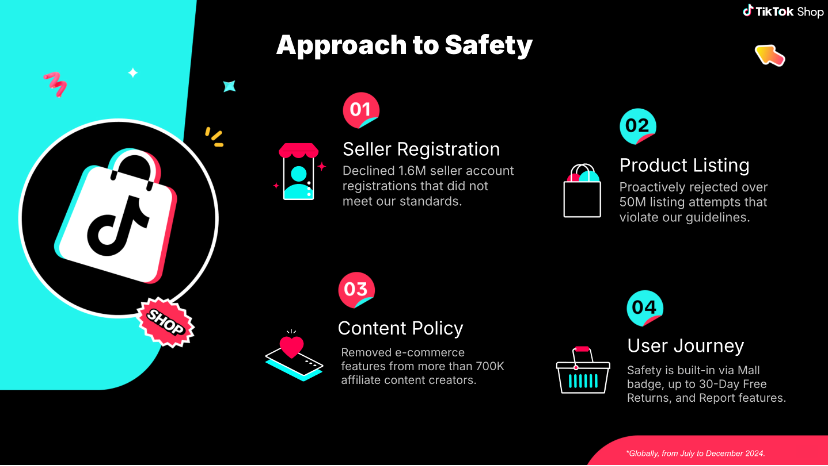
According to Azre, TikTok Shop adopts a four-pronged approach to safety, which includes Proactive Seller Screening, Proactive Product Listing Governance, Reactive Platform Policy Enforcement, and Safety by Design.
“We believe creating a trustworthy and secure environment for our community starts with prevention. To this end, TikTok Shop implements extensive proactive measures to screen sellers upon account registration and before products are listed,” she added.
Diving deeper, Azre mentioned that all businesses must submit official documentation when applying to register for a TikTok Shop Seller Account.
These applications are said to be scrutinised closely to comply with applicable local regulations and TikTok Shop’s extensive policies, including ensuring that the Identity Card (IC) or relevant business certificates submitted match the corresponding TikTok Shop account and bank account details.
Even the store names of all sellers must strictly adhere to a comprehensive set of guidelines to ensure accurate business representation, such as restrictions on terms like “Official”, “Flagship”, or “Authorised”.
“With these preventive processes, from July to December 2024, TikTok Shop has proactively declined 1.6 million seller account registrations globally that did not meet our rigorous standards,” said Azre.
Once successfully registered, new sellers are then placed on a temporary probation period, with limited daily orders and product listings, to help familiarise themselves with TikTok Shop’s policies and stabilise their operations.
These policies include TikTok Shop’s Product Listing Guidelines, which explicitly outline prohibited products, including counterfeits and knockoffs.
“From July to December 2024, TikTok Shop has proactively rejected over 50 million product listing attempts worldwide that violate our guidelines,” explained Azre.
Affiliate creators are similarly held to high standards under TikTok Shop’s Content Policy, which ensures responsible product promotions by prohibiting illegal activities, intellectual property (IP) rights infringement, misleading or false content, Artificial Intelligence Generated Content (AIGC), and more.
“However, there is no finish line when it comes to safety. Users are encouraged to directly report violative products, content, and sellers on TikTok Shop via the in-app reporting channel,” Azre reminded.
Strict enforcement actions are then taken against any sellers or creators who breached its policies, based on TikTok Shop’s Seller Performance Evaluation Policy and Creator Performance Evaluation Guidelines.
Azre highlighted that, worldwide between July 2024 and December 2024, TikTok Shop removed more than 90,000 listed products, disabled e-commerce features for more than 700,000 creators, and removed more than 450,000 sellers as a result of shop-level violations.
“In addition to our platform’s proactive and reactive governance, security is also embedded into users’ in-app shopping experience, through our Safety by Design approach,” she underscored.
All orders on TikTok Shop are protected by its robust Free Returns and Refunds Policy, which facilitates simplified and fair after-sales requests for customers.
“TikTok Shop will continue collaborating with our community, regulators, and industry stakeholders to share insights, refine best practices, and shape forward-looking policies that promote a safe and vibrant e-commerce ecosystem for all, such as through our #ShopSafe scam prevention initiative,” Azre concluded.