HONG KONG SAR – Media OutReach Newswire – 12 February 2026 – In February 2026, global attention across the blockchain and crypto industry once again converged on Hong Kong. At the highly anticipated Consensus Hong Kong 2026, Cregis made a strong presence as a core exhibitor, emerging as a focal point for institutional clients, partners, and industry experts. With a full-stack product suite spanning payments, custody, and wallets, Cregis sparked in-depth discussions around the future paradigm of digital asset infrastructure.
Showcasing Core Products to Deliver End-to-End Enterprise Solutions
Located in the main exhibition hall, the Cregis booth (Booth 1808) remained a hub of engagement throughout the event. The team highlighted four cornerstone infrastructure offerings: the Crypto Payment Engine, the Digital Asset Business Operations Suite, MPC Wallet Infrastructure, and Enterprise-Grade Self-Custody Solutions. Together, these components form a comprehensive, closed-loop system covering fund flows, secure custody, and refined operational management.
During on-site discussions, Aaron, CTO at Cregis, shared:
‘What we’re seeing today is that the biggest challenge for enterprises adopting digital assets is no longer a single technical hurdle. It’s a systems-level problem—how to seamlessly, securely, and compliantly integrate complex on-chain operations into existing business workflows. This is exactly what Cregis is built to solve. By creating a secure, flexible, and compliance-first infrastructure layer, we transform fragmented technical challenges into standardized solutions that enterprises can easily integrate and manage.’
Industry Consensus: Compliance and Flexibility Are Critical
Throughout the conference, the Cregis team held extensive discussions with financial institutions, trading platforms, asset managers, and Web3-native projects from around the world. Live demonstrations and real-world use cases reinforced a clear market signal: demand is accelerating for solutions that not only meet stringent security and regulatory requirements, but also deliver high levels of customization and operational efficiency.
Sharing his broader industry perspective, Aaron added that the market has reached a pivotal inflection point. Institutional capital and mainstream use cases are entering at scale, but the maturity of underlying infrastructure will determine how smoothly this transition unfolds. Cregis aims to serve as a trusted partner for institutions at this critical juncture—reducing uncertainty through robust technology and enabling clients to move forward with confidence into the next phase of growth.
Beyond Tools: Cregis as a Strategic Enabler
Consensus Hong Kong 2026 was not only a product showcase, but also a clear statement of Cregis’ enterprise strategy. Through its presence at the event, Cregis reaffirmed its positioning as a one-stop provider of enterprise-grade digital asset management and operational solutions.
Cregis believes the future of digital assets lies in large-scale enterprise adoption. Anchored in security, structured around compliance, and powered by flexible, modular products, Cregis will continue to work alongside global innovators to build a more efficient, interconnected, and trustworthy next-generation digital asset operating ecosystem.
The issuer is solely responsible for the content of this announcement.
Cregis
Founded in 2017, Cregis is a global leader in enterprise-grade digital asset infrastructure, providing secure, scalable and efficient management solutions for institutional clients.
Built to solve the challenges of fragmented blockchain systems and asset security risks, Cregis delivers MPC-based self-custody wallets, WaaS solutions, and Payment Engine, featuring collaborative asset control and a compliance-ready ecosystem.
To date, Cregis has served over 3,500 institutional clients globally. Our solutions empower exchanges, fintech platforms, and Web3 enterprises to adopt blockchain technology with confidence. Backed by years of proven expertise in blockchain and security, Cregis helps businesses accelerate their Web3 transformation and unlock global digital asset opportunities.
Uniting Networks from Over 17 Countries to Drive Cross-Border Collaboration and Sustainable Regional Growth
BANGKOK, THAILAND – Media OutReach Newswire – 12 February 2026 – As design increasingly proves its power to transform creativity into a strategic force of macroeconomic competitiveness, Bangkok Design Week 2026 (BKKDW2026), organized by the Creative Economy Agency (Public Organization) or CEA, together with its partners, enters its ninth edition with a bold ambition — evolving from a national design festival into a leading creative platform for Asia. By uniting networks of designers and international partners from more than 17 countries across Asia and Europe, the festival plays a pivotal role in positioning Bangkok as Asia‘s Creative Festival Hub (Creative Hub of Asia).
Under the theme “DESIGN S/O/S,” Bangkok Design Week 2026 highlights design and creativity as practical tools to help societies act, adapt, and survive amid global challenges. The festival significantly expands its international partnerships, opening new spaces for designers, artists, and creative entrepreneurs to exchange knowledge, technology, and business models. These collaborations aim to foster a new creative business ecosystem as one that leads to investment opportunities, business matching, and the development of Thai creative products capable of competing in global markets.
Explore perspectives from international partners, who shed light on the role of design as a universal language — a borderless bridge between cultures that generates tangible opportunities for Thailand’s creative economy in the global arena.
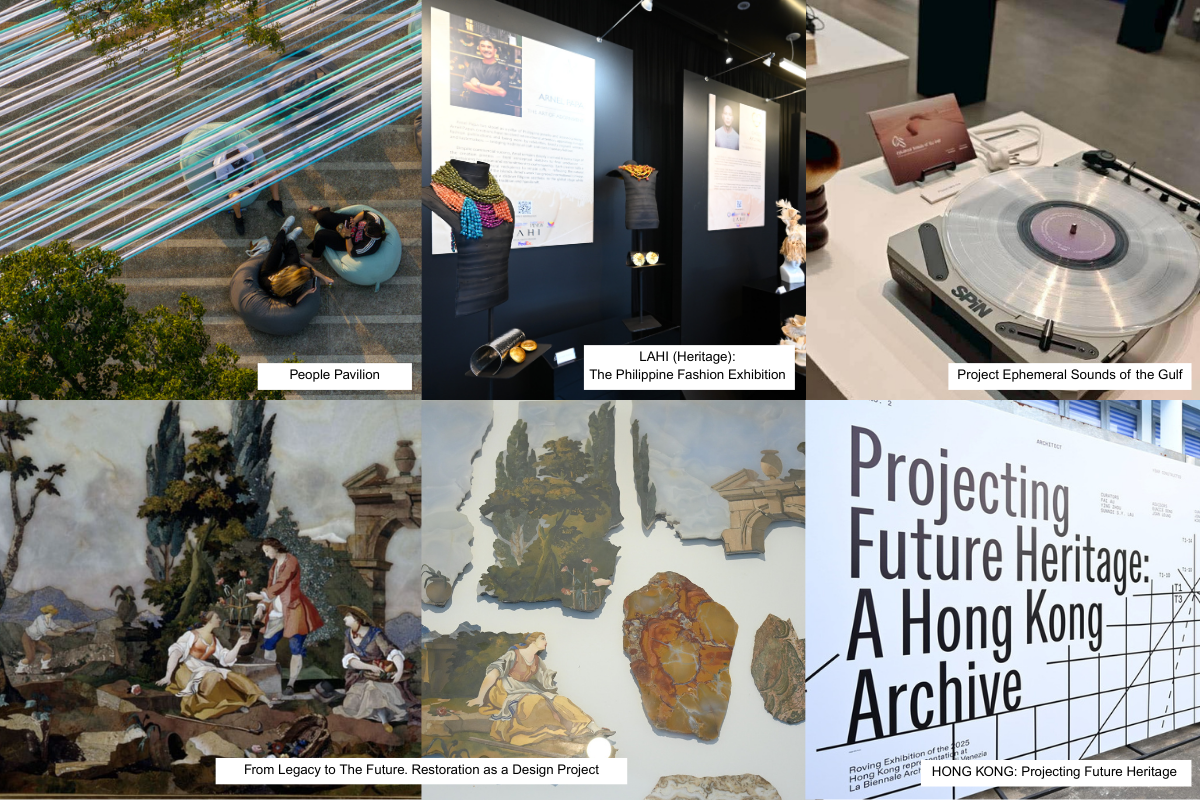
FROM LEGACY TO THE FUTURE. RESTORATION AS A DESIGN PROJECT Sustainable Cultural Asset Management for Future Generations by Embassy of Italy in Bangkok
The first international highlight comes from Italy, through the project Italia Reloaded, presented by the Italian Cultural Institute and the Embassy of Italy in Thailand. The initiative introduces the concept of “Restoration as Sustainability.”
Maria Sica, Director of the Italian Cultural Institute, explains “Restoration is not about the past, it lies at the heart of sustainability. It focuses on reusing existing resources rather than producing new ones, guided by the principle of ‘Not Fake’- repairing without imitation. By integrating innovation, restoration preserves the authenticity and living value of cultural heritage. The project also draws on the historical relationship between Florence and Bangkok, inspired by the legacy of Silpa Bhirasri, serving as a foundation for knowledge transfer and hands-on workshops. These activities aim to elevate Thai craftsmanship to international standards while supporting high-quality cultural tourism. Together, these efforts frame restoration as a strategic pillar of urban cultural asset management — revitalizing historic districts, generating economic vitality, and strengthening a creative business ecosystem that grows sustainably from the city’s existing foundations.
LAHI (Heritage): The Philippine Fashion Exhibition Fashion as Cultural Diplomacy and a New Economic Bridge in ASEAN by the Philippine Embassy in Thailand
Representing the Philippines, Bangkok Design Week 2026 serves as the launch platform for “LAHI (Heritage): The Philippines Fashion Exhibition,“ presented through a collaboration between the Department of Trade and Industry (DTI), the Philippine Trade and Investment Center in Bangkok, and thePhilippine Embassy in Thailand. Using fashion as a tool of both economic development and creative diplomacy, the initiative underscores Thailand’s role as a strategic partner for the Philippines within ASEAN.
A representative from DTI noted “Bangkok Design Week is a key platform for showcasing Philippine design capabilities to regional and global markets. It also serves as a gateway for cross-border business and investment opportunities, particularly through co-creation.The collaboration explores hybrid products that combine Thailand’s strength in international-standard manufacturing with Philippine design and craftsmanship. This approach not only strengthens the ASEAN brand and elevates products into high-value market segments, but also demonstrates how fashion — when rooted in cultural heritage — can become a competitive economic asset on the global stage.”
Ephemeral Sounds of the Gulf Listening to Impermanence Through Design That Is Meant to Dissolve
The project “Ephemeral Sounds of the Gulf“ by Japanese mixed-media artist and producer Erika Tsuchiya (VCUarts Qatar) examines the tension between permanence and impermanence in contemporary production and consumption. The work experiments with biomaterial records, using physical media as a sonic and conceptual platform.
Erika Tsuchiya explains “The project reflects the continued economic potential of the physical format market even in a digital era — especially in Bangkok, where vinyl culture is experiencing a revival. At the same time, the project functions as research and development for a future green supply chain in the music industry. By recording natural soundscapes from the Arabian Gulf region and distributing them globally through biodegradable records, the work challenges conventional expectations of sonic perfection, while raising awareness of digital pollution and resource-intensive mass reproduction.
“Presently, designers and creators must be conscious of where materials come from and the impact of their choices. Understanding costs and consequences from the very beginning of the supply chain is the foundation of business models that grow not only in profit, but in long-term sustainability.” Tsuchiya concludes.
People Pavilion: Reimagining Streetlights as Urban Landmarks Shade, Light, and Inclusive Design for the Tropical City
Another tangible example of urban innovation is People Pavilion, or Lan Prakai Muang, a collaboration between Urban Ally and HAS design and research, led by Jenchieh Hung and Kulthida Songkittipakdee. The project reinterprets “the Streetlight Pole” an existing piece of urban infrastructure transforming it into a functional and inclusive public architecture.
The design is grounded in a shared perspective that “the tropical climate is not a constraint, but an urban resource.” Drawing from everyday life in Bangkok where people seek shade during the day and light at night, the pavilion upgrades existing infrastructure into usable public space. This approach reduces construction waste while adding value to existing urban assets through the concept of infrastructure upcycling.
The core of the project goes beyond creating a new space. People Pavilion functions as an urban prototype for sustainable city-making, offering alternative solutions to public space challenges without relying on large-scale budgets. Through cross-sector collaboration and inclusive design, underutilized or neglected areas are transformed into places of tangible social and economic impact supporting a more resilient, adaptive, and people-centered city. Ultimately, the project demonstrates that meaningful urban transformation can be achieved through strategic design, rather than heavy financial investment.
HONG KONG: Projecting Future Heritage When Everyday Architecture Becomes Tomorrow‘s Blueprint
The exhibition “HONG KONG: Projecting Future Heritage,“originally presented at the Venice Biennale Architettura in 2025, arrives in Bangkok curated by Hong Kong architects and urbanists Sunnie S.Y. Lau and Fai Au. It offers a perspective on social innovation by re-examining architecture embedded in everyday life. Moving beyond iconic landmarks, it invites critical reflection on ordinary buildings and familiar urban structures.
The two creators explain “Under the concept of Future Heritage, we explore strategic commonalities among historic port cities such as Hong Kong, Venice, and Bangkok. Those highlight the role of urban water systems as foundational infrastructures that have shaped these cities’ transformation from historic settlements into economic centers. We also present local architectures that reflect real everyday life, which may become valuable historical heritage in the next 20 – 30 years.”
From a sustainability perspective, the exhibition proposes an approach to urban development that integrates traditional wisdom with contemporary technology. Rather than viewing existing buildings as obsolete or burdensome, it advocates adaptive reuse — reimagining and repurposing structures without demolition — so they can continue to support living, working, and everyday life in meaningful ways. The exhibition underscores that looking back at what already exists is a crucial key to transforming cultural heritage into economic and intellectual capital capable of sustainable growth in the future.
Elevating Bangkok Design Week as the Creative Hub of Asia
These collaborations represent only a fraction of what unfolds at Bangkok Design Week 2026, taking place from 29 January – 8 February 2026. Through CEA’s strategic direction, the festival is being elevated as an international creative platform connecting designers, cities, businesses, and investors from Thailand and abroad. The goal is clear to transform cultural capital into measurable economic value, while firmly establishing Bangkok as one of Asia’s leading creative festival hubs. Driven by the power of the creative economy and sustained through long-term cross-border collaboration, Bangkok Design Week continues to advance a vision of inclusive, competitive, and sustainable growth for the region and beyond. Hashtag: #CEA #BKKDW2026 #BangkokDesignWeek #DesignSOS #PowerOfDesign #PowerOfThaiDesign
The issuer is solely responsible for the content of this announcement.
About Bangkok Design Week
Bangkok Design Week, first launched in 2018, has long been a fixture on the Bangkok event calendar. It plays a pivotal role in fostering the creative economy and propelling Bangkok to stand out as a member of the UNESCO Creative Cities Network (UCCN) as a City of Design. Organized by the Creative Economy Agency (Public Organization) or CEA, in collaboration with over 60 public and private organizations, educational institutions, and international partners, the festival draws an estimated 400,000 visitors from both Thailand and abroad each year. Bangkok Design Week serves as a growth engine for Thailand’s creative industries in multiple ways, including showcasing creative businesses and designs, stimulating competitiveness, providing local and international business networking opportunities, and generating economic momentum for downstream sectors such as marketing, printing, online media, galleries, cafes, restaurants, gifts and souvenirs, travel, hotels, and public transportation.
About the Creative Economy Agency (Public Organization) or CEA
The Creative Economy Agency (Public Organization) or CEA, is a government agency dedicated to promoting creativity as a key driver of Thailand’s creative economy. CEA supports the development of various creative industries and encourages the manufacturing sector to adopt creative approaches, enhancing the value of products and services and boosting Thailand’s global competitiveness.
AACHEN, GERMANY – Newsaktuell – 11 February 2026 – FEV has published new analysis results on the economic efficiency of electrified commercial vehicles as part of an internal research program. The evaluation of extensive techno-economic data shows: depending on the driving cycle, through trucks with range extender architecture (REEV/Hybrid BEV) the total cost of ownership (TCO) can be reduced by up to 33 percent compared to conventional diesel trucks – while also significantly reducing CO₂ emissions. Even in the most unfavorable long-haul scenario, the TCO declined by approximately 14 percent.
Depending on the driving cycle through range extender trucks TCO can be reduced by up to 33 percent. Source: FEV
Calculations are based on realistic European usage profiles with overnight charging at industrial electricity prices of around 19 cents per kilowatt hour. In regions with lower electricity costs, the advantage is correspondingly higher.
Cost-effectiveness without megawatt charging infrastructure
A key lever of the REEV architecture is the reduced battery size compared to purely battery-electric long-haul trucks. While typical BEV trucks require battery capacities of around 560 kWh, a REEV truck can manage with around 280 kWh. Even with slower AC charging at 22 kW, around 240 kWh can be recharged overnight – enough to power the vehicle almost entirely electrically for the next day. Thus, a megawatt charging infrastructure is not necessary for economical operation.
Significant TCO advantage in the cost-critical commercial vehicle market
The economic advantage of the range extender architecture results from several factors. The smaller battery of a REEV truck reduces vehicle costs and weight while increasing payload. Also, the high proportion of electric driving enables low energy costs, especially when charging at depots at night at industrial electricity prices.
Due to their low dependence on public high-performance charging infrastructure, REEV trucks can be seamlessly integrated into existing depot structures.
Hashtag: #FEV
The issuer is solely responsible for the content of this announcement.
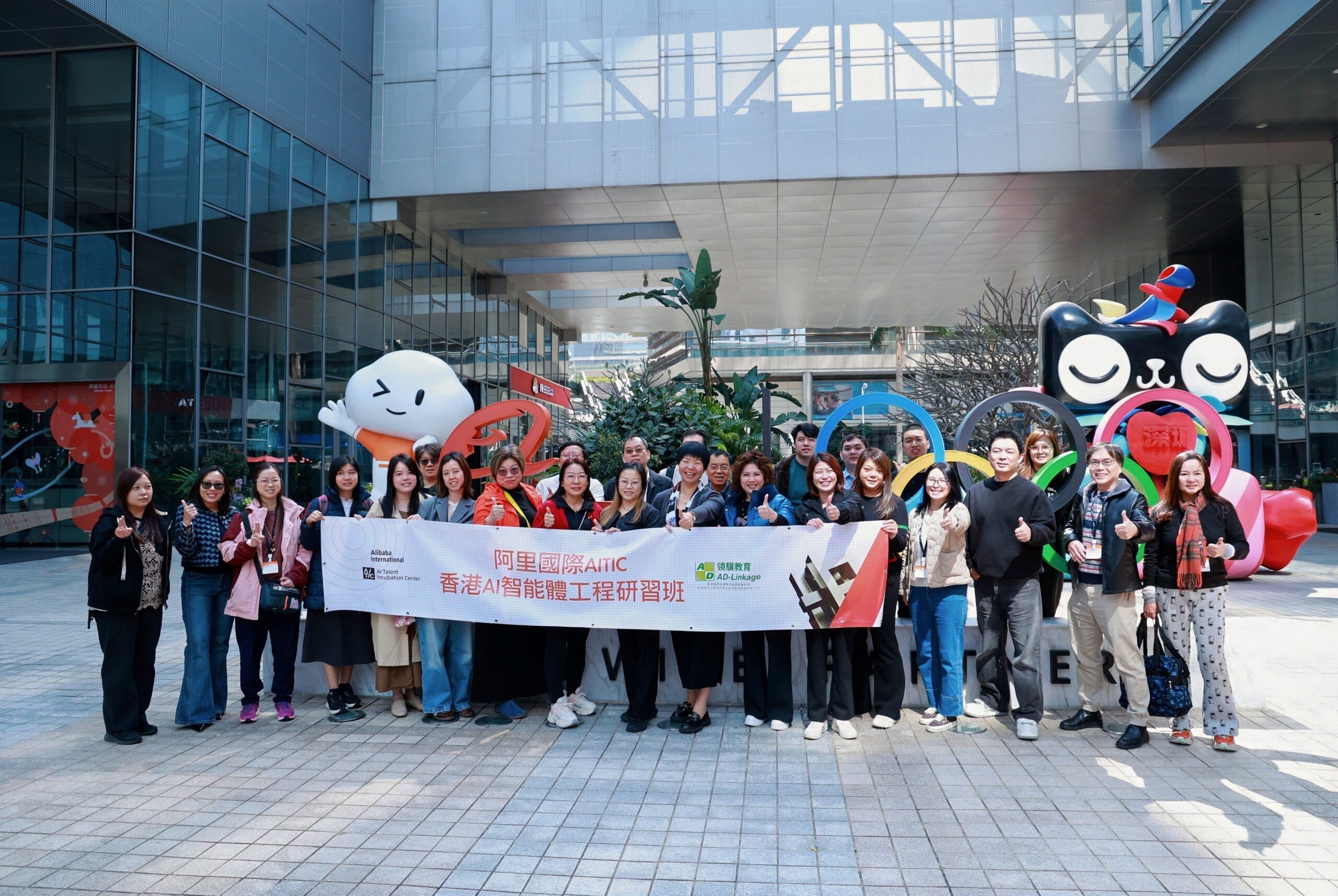
HONG KONG SAR – Media OutReach Newswire – 11 February 2026 – AD-Linkage, in collaboration with Alibaba AITIC, has successfully concluded its second AI-themed bootcamp at Alibaba’s headquarters in Shenzhen. Held over two consecutive days from February 7 to 8, 2026, the program attracted 20 participants from various industries in Hong Kong, focusing on “AI-Driven Automated Marketing and AI Agent Implementation” and enabling attendees to experience the real-world application potential of AI agents in business scenarios.
The bootcamp was closely aligned with the latest developments in AI, centering on how AI Agents and AI RAG (Retrieval-Augmented Generation) can be applied to content marketing and workflow automation. The curriculum unpacked the three-layer architecture of “Tools – Intelligence – Automation,” helping learners understand the practical path from using a single AI tool to building enterprise-level intelligent automation systems.
In the hands-on sessions, participants used Xiaohongshu (Little Red Book) marketing as the core scenario. They practiced leveraging Kimi and DeepSeek for viral topic discovery and trend analysis, designed structured prompts to generate on-brand copy and short video scripts, and completed visual assets with tools such as Jimeng AI and Canva. Over the two-day program, participants also learned how to use N8N to build automated Xiaohongshu workflows, including scheduling the scraping of trending content, storing data in Lark Base, triggering AI for secondary content creation and sensitive word detection, and using browser automation tools for multi-account scheduled posting—ultimately constructing a fully operational system for “Content Factory + Scheduling + Data Feedback.”
Driving a New Mode of Flexible Learning: Pioneering CEF-Subsidized Hybrid Courses
AD-Linkage also announced that it has become the first training institution in Hong Kong to offer courses that are both accredited by the Hong Kong Council for Accreditation of Academic and Vocational Qualifications (HKCAAVQ) and subsidized by the Continuing Education Fund (CEF) under a hybrid learning model. The programs are designed in a hybrid format, with part of the classes delivered via live online teaching and the remainder conducted through in-person classroom sessions. Learners attend at scheduled times either through an online classroom or by joining on-site, combining interactive online learning with face-to-face instruction to provide more flexible study options for working professionals.
Through structured live online sessions combined with in-person workshops, learners are guided by instructors to master theoretical frameworks and then participate in case discussions and practical exercises in the classroom, turning what they have learned into actionable solutions for real work scenarios. As these programs are listed as CEF-recognized courses, eligible learners can apply for government subsidies to lower their financial barrier to further study and continuously enhance their AI and digital transformation skills. Education providers interested in adopting a hybrid online–offline teaching model are welcome to contact AD-Linkage’s curriculum design consultancy team and visit: https://bit.ly/3ZxJNq3 for more information.
Management on Future Vision and AI Training Strategy
“By launching HKCAAVQ-accredited and CEF-subsidized hybrid learning programs, we aim to respond to the time and cost constraints faced by working professionals in Hong Kong, enabling more practitioners to master core AI and digital transformation capabilities in a more flexible way,” said Horace, Founder and Course Director of AD-Linkage. “At the same time, we hope to set a practical example for combining online and offline hybrid teaching in Hong Kong, and to help drive the wider adoption of such models across the local education and training sector.”
He added, “The AITIC bootcamp held at Alibaba’s Shenzhen headquarters focused on turning technologies such as AI Agents, AI RAG and automated workflows into practical skills that can be immediately applied to real business scenarios. Participants were not just learning theory; they were building fully functional automated marketing systems with their own hands, truly converting AI into a productivity tool for their organizations.”
About AD-Linkage and Upcoming Programs
AD-Linkage is a professional training institution dedicated to serving working professionals and corporate clients in Hong Kong. Its programs cover practical areas including digital marketing, AI applications and new media marketing. With a core philosophy of “practice-oriented and industry-aligned,” AD-Linkage designs courses that combine online theoretical learning with offline case studies and hands-on workshops via a hybrid teaching model, accommodating the busy schedules of working adults while ensuring that learning outcomes can be directly applied at work.
AD-Linkage is also actively expanding local and international partnerships, including collaborating with organizations such as Alibaba AITIC to host AI-themed bootcamps and corporate exchange activities. The institution continues to introduce the latest AI technologies and commercial application cases into Hong Kong, helping more professionals and SMEs seize opportunities in digitalization and intelligent transformation.
The next program co-organized by AD-Linkage and Alibaba AITIC will focus on “Building AI Assistants,” guiding learners from the application level to the stage of creating their own AI assistants. Participants will learn how to design, deploy and optimize AI assistants tailored to their specific business scenarios. For enquiries and registration, please visit: https://cef.ad-linkage.com/
Hashtag: #AD-Linkage
The issuer is solely responsible for the content of this announcement.
Accelerating AI Integration into Educational Settings to Enhance Learning and Teaching Effectiveness
HONG KONG SAR – Media OutReach Newswire – 11 February 2026 – In alignment with the national “15th Five-Year Plan” recommendations to fully implement the “AI+” initiative, empowering high-quality development of education through comprehensive digitalisation, and in response to the Education Bureau’s “AI for Empowering Learning and Teaching Funding Programme”, the Education Bureau, HKPC Academy of the Hong Kong Productivity Council (HKPC) and Hong Kong Education City (EdCity) jointly organised the inaugural “AI in Education Forum Series & Showcase” on 5 to 6 February 2026. This education showcase was one of the key themes under the “AI with HKPC” Smart Solutions Showcase Series organized by HKPC. The three-day event attracted over 5,000 representatives from the Government, industry, academia, and research. Among them, nearly 3,000 attendees participated in education-themed events, including principals and teachers from more than 250 primary and secondary schools, coming together to explore innovative applications of AI in education. The series of events was a resounding success.
The opening ceremony took place on the afternoon of 5 February and was officiated by Dr SZE Chun Fai, Jeff, JP, Under Secretary for Education, Dr Lawrence CHEUNG Chi-chong, Chief Technology Officer of HKPC; and Mr Armstrong LEE Hon Cheung, Chairman of EdCity, who delivered welcoming speech. The exhibition was rich in content, featuring over 60 booths showcasing a wide range of EdTech Solutions. It also included more than 20 seminars, workshops and demonstration lessons, where experts and industry leaders analysed education trends and teaching strategies. On-site services encompassed EdTech pitching sessions and one-on-one consultations, with professionals from HKPC Academy assisting schools according to their school-based development needs in selecting the most suitable e-learning and AI education solutions, while addressing challenges encountered in implementing digital education.
Dr Lawrence CHEUNG Chi-chong, Chief Technology Officer of HKPC, said: “HKPC fully supports the HKSAR Government in promoting digital education and helping schools seize the opportunities of the AI era. To align with the Education Bureau’s latest ‘AI for Empowering Learning and Teaching Funding Programme’ and support teachers’ professional training, HKPC Academy has established the EdTech Hub to drive the development of digital education. The Hub provides schools with AI tools and student training. We will continue to support the education sector in advancing the application of technology in teaching and learning, injecting more innovative elements into Hong Kong education and strengthening the innovation and technology talent hub.”
Principal Panel: AI Teaching Practices and Strategies
In response to the HKSAR Government’s policy direction to promote digital education, the event is committed to advancing the application of AI in schools and enhancing teaching and learning experiences. The Principal Panel invited multiple highly experienced principals to share the challenges, opportunities, and practical experiences encountered in applying AI to support teaching. In the sharing session titled “Achieve More with Less: AI Integration Strategies for Hong Kong Schools”, six principals with extensive experience in AI education detailed how to effectively leverage AI technologies to optimise teaching processes, enhance learning efficiency, and deliver genuine effectiveness-enhancing opportunities for schools.
Showcasing Innovative EdTech Achievements
The exhibition highlighted 22 projects supported under the Quality Education Fund (QEF) e-Learning Ancillary Facilities Programme (eLAFP), 9 of which have been successfully launched. Developed by universities, school sponsoring bodies and EdTech organisations, these projects leverage advanced technologies including AI, big data, virtual reality and augmented reality to support students across different subjects and grades, driving innovation in teaching models.
Among the featured projects is the “Metaverse English Learning World” developed by the Chinese Young Men’s Christian Association of Hong Kong (YMCA). Designed for upper primary to junior secondary students, it enables learners to interact with AI chatbots via the English speaking and listening platform “My AI Buddy” in an immersive virtual environment, enabling students to enhance their oral proficiency in a natural and engaging way. Another project is the “Lambda Math” Secondary Mathematics Learning Platform, developed by The Chinese University of Hong Kong. It delivers personalised content-based on individual student progress and includes an extensive library of over 4,500 questions, 250 interactive programs and 430 instructional videos. This assists teachers in optimising instruction through data analysis and achieves deeper learning outcomes for students.
Dr CHAN Kai Leung, Lecturer in the Department of Mathematics at The Chinese University of Hong Kong remarked, “We are grateful to the HKPC Academy for organising this exhibition, which provided us with the opportunity to engage with numerous principals and mathematics teachers and gain deeper insights into the actual needs of schools. Following the event, inquiries, trial applications and subscription numbers for the ‘Lambda Math’ Secondary Mathematics Learning Platform increased significantly.”
Another representative from a QEF eLAFP-supported project, Mr WONG Wai-kit, the Officer-in-charge (Education) of Yan Chai Hospital stated, “As one of the projects supported by QEF eLAFP, the ‘LATTE’ platform integrates English reading paper analysis with AI and big data technology to provide diverse reading materials. It effectively caters to different learning needs and helps teachers conduct assessment and follow-up using AI. We are pleased that the platform has received positive feedback from many principals and teachers. We thank the organisers for their support and for working together to advance smart teaching.”
Accelerating AI Integration into Teaching
The event also introduced the “AI for Empowering Learning and Teaching Funding Programme” launched earlier by the Education Bureau. HKPC Academy explained the programme on-site and assisted schools in planning the use of funding to integrate AI into daily teaching, thereby enhancing the comprehensiveness and effectiveness of learning and teaching. In addition, HKPC Academy has specially designed a series of AI education-focused training courses for local primary and secondary schools as well as special educational needs (SEN) schools. The courses cover AI literacy development, language learning enhancement, handwritten mathematics assessment, no-code game creation, and professional SEN teaching support. These initiatives help schools effectively plan and implement AI integration, promoting the development of inclusive education.
Hashtag: #HKPC
The issuer is solely responsible for the content of this announcement.
About Hong Kong Productivity Council
The Hong Kong Productivity Council (HKPC) is a statutory body established in 1967, dedicated to enhancing the productivity and competitiveness of Hong Kong enterprises through world-class applied R&D, innovative technology services, and integrated manufacturing solutions. As a market-oriented, international R&D organisation, HKPC leverages its deep expertise and extensive industry experience in key areas such as AI, advanced manufacturing, life and health technology, green technology and new energy to drive new industrialisation and support the growth of emerging and future industries.
HKPC focuses on addressing businesses challenges and industrial technology needs, promoting the full integration between technological and industrial innovation. Through technology transfer, product innovation, intellectual property protection and commercialisation of R&D outcomes, the Council fosters collaboration with the local business community as well as top global R&D institutions, delivering added value to industries and advancing the development of new productive forces. HKPC’s world-class R&D achievements have been widely recognised over the years, winning an array of local and overseas accolades, reinforcing Hong Kong’s role as an international innovation and technology centre and a smart city.
To help enterprises capitalise on Hong Kong’s strengths in international connectivity to expand into global markets, HKPC offers comprehensive overseas expansion services tailored to critical areas including product development, technology, manufacturing, and management, enabling businesses to successfully go global from Hong Kong.
HKPC is also committed to providing timely and practical support to SMEs and startups with timely and practical , assisting them in accessing Government funding programmes. Through its FutureSkills training initiatives, HKPC helps both industry and academia stay ahead in latest digital and STEM technologies, nurturing a future-ready talent pool for Hong Kong.
For more information, please visit HKPC’s website: www.hkpc.org/en.
其中項目包括由香港基督教青年會研發的「元宇宙英語學習世界」,專為高小至初中學生設計,透過AI英語聽說平台「My AI Buddy」,讓學生在沉浸式虛擬世界與AI聊天機器人互動,助學生輕鬆提升口語能力;香港中文大學研發的「Lambda Math中學數學學習平台」,能根據學生進度推送個人化內容,內建4,500多種題型、250個互動小程式及430段教學短片,協助教師透過數據分析優化教學,促進學生深化學習成效。
HONG KONG SAR – Media OutReach Newswire – 11 February 2026 – HGC Global Communications (“HGC” or “the Group”) a fully-fledged network operator with extensive global coverage and ICT solution provider, has appointed Cliff Tam as Chief Commercial Officer – International Business, effective immediately. This strategic appointment reinforces HGC’s commitment to accelerating the growth of its international business (“IB”), deepening global network solutions, and advancing the Group’s position as a trusted enabler of international connectivity and digital infrastructure worldwide.
Cliff Tam is appointed as Chief Commercial Officer – International business of HGC
In his new role, Cliff will spearhead the Group’s international commercial strategy, leading the IB organisation to sharpen its global focus, deepen niche market penetration. He will champion the shared network philosophy in Southeast Asia (“SEA”) region to drive next-generation ready digital infrastructure development and capture new opportunities arising from AI adoption and global digital transformation. Leveraging HGC’s regional network cluster, Cliff will support companies in achieving seamless cross-border integration from Hong Kong as a key telecommunications hub across Chinese Mainland, and other international markets. Meanwhile, Ravindran Mahalingam, Senior Vice President – International Business & Digital Infrastructure, will support Cliff in identifying in-country projects across SEA and driving scalable and sustainable businesses for the Group.
With over 30 years of industry experience, Cliff brings a strategic global perspective that align with evolving needs of today’s interconnected digital economy and rapidly changing global environment. He has been repeatedly recognised by Capacity Power 100 as one of the most influential leaders in the telecommunications industry, underscoring his impact on shaping international carrier and digital ecosystem trends.
Andrew Kwok, Chief Executive Officer of HGC, said “Cliff’s appointment marks a significant step forward in HGC’s global development. As we establish a next-generation regional telecommunications network, encompassing international connectivity, local networks, and strategic network hubs, also incorporating AI development to future-proof our infrastructure. By leveraging HGC’s global network cluster, we will strengthen an interconnected telecom ecosystem that further reinforce Hong Kong’s status as one of the leading international telecommunications hub and support the continued evolution of the global digital economy.”
Cliff Tam, Chief Commercial Officer – International Business of HGC, said, “I am honoured to assume this role and remain focused on driving long‑term value for HGC’s international business. By deepening collaboration with our regional and global partners, we will advance the shared network philosophy to support companies respond to fast changing market dynamics driven by AI and emerging technologies. With HGC’s extensive international connectivity and embracement to AI adoption, we will empower OTTs, hyerscalers and enterprises to expand across borders, evolve in global markets, and accelerate their digital transformation. I look forward to leading our team in shaping new possibilities and strengthening HGC’s position as a trusted international partner in the rapidly evolving global digital landscape.”
Hashtag: #HGC
The issuer is solely responsible for the content of this announcement.
HGC Global Communications Limited
HGC Global Communications Limited (HGC) is a leading Hong Kong and international telecom operator and ICT solution provider. The company owns an extensive network and infrastructure in Hong Kong and overseas and provides various kinds of services. HGC has 20 global offices and staff presence in 33 cities worldwide. It provides telecom infrastructure service to other operators and serves as a service provider to corporate and households. The company provides full-fledged telecom, data center services, ICT solutions and broadband services for local, overseas, corporate, SME and mass markets. HGC owns and operates an extensive fiber-optic network, five cross-border telecom routes integrated into tier-one telecom operators in mainland China and connects with hundreds of world-class international telecom operators. The company is committed to further investing and enriching its current infrastructure and, in parallel, adding on top the latest technologies and developing its infrastructure services and solutions. In 2019, HGC Group completed the acquisition of Macroview Telecom Limited (Macroview), a leading digital technology solution and managed services provider. The addition of Macroview further accelerates HGC Group’s digital transformation path and positioning as a pioneering ICT and digital services leader. HGC is a portfolio company of I Squared Capital, an independent global infrastructure investment manager focusing on energy, utilities, transport, social infrastructure, digital infrastructure, and environmental infrastructure in North America, Europe, Latin America and Asia.
The issuer is solely responsible for the content of this announcement.
有關環球全域電訊有限公司
環球全域電訊有限公司(HGC 環電)是香港及國際電訊營辦商及ICT方案供應商,於香港及國際市場擁有廣闊的網絡覆蓋及基礎設施,提供各種不同服務,除了提供電訊網絡基礎設施予其他營辦商外,亦是企業及住宅用戶的服務供應商。HGC環電設20個海外辦事處,並有同事駐守全球33個城市。HGC環電為本地、海外、企業、中小企及大眾市場提供全面的電訊服務、數據中心服務、資訊科技方案及寬頻服務。HGC環電擁有及營運覆蓋廣泛的光纖網絡,與中國內地頂級電訊商開通了五條跨境分流路由,更與過百間世界級的國際電訊網絡營辦商互連。本公司致力增強現有基礎設施,發展最新技術,並開發基礎設施服務和方案。HGC環電於2019年完成收購高端數碼科技及IT基礎架構解決方案供應商高威電信,進一步促進 HGC 環電集團轉型成為 ICT 解決方案供應商。HGC 環電是 I Squared Capital 的投資組合公司。I Squared Capital 是獨立的環球基建投資管理基金,主要於北美、歐洲、拉丁美洲以及亞洲等地區進行能源、公共設施、運輸業、基礎設施、數字基礎設施和環境基礎設施等投資。
Helps Businesses Capture Emerging Industrial Opportunities in Southeast Asia
HONG KONG SAR – Media OutReach Newswire – 11 February 2026 – Centre of Advanced Power and Autonomous Systems (APAS), under the Hong Kong Productivity Council (HKPC), made its first-ever appearance at the Asia Photonics Expo (APE 2026)—Asia’s leading platform for photonics technology innovation—held in Singapore from 4 to 6 February. During the exhibition, APAS showcased its advanced automotive photonics R&D achievements to photonics experts and enterprises in the field from across Asia and around the world. Featured innovations included an Automotive-grade MEMS Drive OIS Actuator and an Augmented Reality Head-up Display for Commercial Vehicles.
Meanwhile, APAS organised the “Go Global to Southeast Asia: Singapore Photonics and Emerging Industries Delegation“, leading representatives from Hong Kong and Chinese Mainland enterprises to participate in APE 2026 as well as a series of site visits and exchange activities. This initiative aimed to present Hong Kong’s comprehensive R&D and industrial strengths in photonics and emerging sectors to the international community. It also sought to help small and medium-sized enterprises (SMEs) in understanding market dynamics and technological trends in Singapore’s photonics and emerging industries, facilitate cross-regional business networking, and support enterprises in expanding into Southeast Asian and global markets.
Mr Yonghai DU, Chief Innovation Officer of HKPC and General Manager of APAS, said, “The ’15th Five-Year Plan’ Recommendations emphasise fostering emerging industries and accelerating the development of industrial clusters in strategic emerging fields such as new energy and new materials. Over the years, HKPC has been committed to helping enterprises turn R&D outcomes into competitive market application solutions. APAS focuses on R&D in various technological fields, including green transportation, smart mobility, intelligent systems and emerging applications. By collaborating with industry, academia and research institutions, APAS transforms R&D outcomes into commercially viable products and solutions, thereby enhancing Hong Kong’s competitiveness in the fields of new energy vehicles and intelligent driving”.
“Photonics plays an irreplaceable role in data acquisition, transmission and processing, and is therefore critical to the field of intelligent driving. This is APAS’s first participation in the APE, together with the organisation of a delegation to Southeast Asia, aims to lay a more solid foundation for the long-term development of automotive photonics technologies, while supporting businesses in expanding into photonics and emerging industries markets in Southeast Asia”.
First Debut in APE 2026 to Deepen International Photonics Industry Connections Photonics technologies are widely applied across various sectors, including communications, information technology, healthcare, industrial manufacturing and energy. Held in Singapore, APE 2026 is one of the most influential events in the photonics industry in Asia. It brought together research institutions, technology companies and industry leaders from around the world to showcase cutting-edge technologies and innovative application scenarios across the entire photonics value chain. As a leading R&D institution in new energy and intelligent driving, APAS made its debut at APE 2026, leveraging its R&D strengths to contribute to technological collaboration and application innovation within the photonics industry. It not only helps Hong Kong and Chinese Mainland enterprises build bridges to the global photonics industry and expand market opportunities, but also supports Hong Kong’s active integration into the international photonics ecosystem, further promoting cross-regional technology exchange and industrial collaboration.
As a member of the HKSAR Government’s “Task Force on Supporting Mainland Enterprises in Going Global”, HKPC also shared its comprehensive “GoGlobal” services with exhibition participants during the event. These services include smart manufacturing, technology research and assessment, international standards and testing, professional services, training and study missions, as well as funding schemes—highlighting Hong Kong’s unique advantages in supporting enterprises’ global expansion. Ms Teresa POON, Deputy Director of the Hong Kong Economic and Trade Office in Singapore, visited the APAS booth to learn about the latest automotive photonics technologies and R&D achievements in Hong Kong, and to exchange views on the city’s strengths in the photonics industry.
In addition, Dr Rick MO, Head of Business Development and Commercialisation and Head of Emerging Applications of APAS, was invited to deliver a keynote speech on the impact of 2D material semiconductor innovations on the future development of smart mobility and high-end manufacturing. The APAS team has been deeply involved in the field of third-generation semiconductors for many years. Its development of silicon carbide-based systems and controllers have significantly improved the energy efficiency and driving range of new energy vehicles. Looking ahead, the team will explore the replacement of traditional chip electronic signals with optical signals, further advancing the application and development of related technologies.
Advancing Automotive Photonics R&D to Support Smart Mobility and Smart City Development During APE 2026, APAS set up a dedicated exhibition zone to showcase its latest automotive photonics solutions in support of smart mobility and smart city development. The exhibits included:
Automotive-grade MEMS Drive OIS Actuator: The technology is designed to stabilise imager sensor shifts in Full HD dash cameras. It effectively reduces image shake caused by road vibrations or cornering, significantly enhancing image stability and clarity. When combined with object detection and recognition capabilities, the dash camera prototype can continuously deliver clear images and reliable driving records, even in busy urban areas, on winding roads or in tunnels, and in adverse weather conditions. This helps to improve overall road safety.
Augmented Reality Head-up Display for Commercial Vehicles: By combining virtual images with the real-world view, key driving information such as navigation routes, vehicle speed and safety alerts, is projected directly onto the windshield. This allows drivers to access critical information without having to divert their gaze, thereby enhancing driving focus and safety. The solution can also be optimised for the practical operating scenarios of commercial vehicles such as buses and trucks.
Promoting International R&D Exchange and Exploring Southeast Asian Market Opportunities In addition to participating in APE 2026, the “Go Global to Southeast Asia: Singapore Photonics and Emerging Industries Delegation” arranged visits for enterprise representatives to several world-class universities and research institutions in Singapore, including Nanyang Technological University, the National University of Singapore, Singapore University of Technology and Design, and the Agency for Science, Technology and Research. These visits provided in-depth insights into the latest R&D and technology commercialisation cases in areas such as quantum photonics, smart sensing, semiconductors and emerging applications, enabling participants to better grasp market trends and collaboration opportunities in photonics and emerging industries.
Through this series of visits and exchanges, HKPC and APAS played a bridging role in showcasing Hong Kong’s R&D capabilities and industrial strengths in photonics and smart mobility to the global community, supporting SMEs in capturing opportunities in the Southeast Asian market, and promoting the long-term development of the photonics and smart mobility industries.
Hashtag: #HKPC #APAS
The issuer is solely responsible for the content of this announcement.
About Hong Kong Productivity Council
The Hong Kong Productivity Council (HKPC) is a statutory body established in 1967, dedicated to enhancing the productivity and competitiveness of Hong Kong enterprises through world-class applied R&D, innovative technology services, and integrated manufacturing solutions. As a market-oriented, international R&D organisation, HKPC leverages its deep expertise and extensive industry experience in key areas such as AI, advanced manufacturing, life and health technology, green technology and new energy to drive new industrialisation and support the growth of emerging and future industries.
HKPC focuses on addressing businesses challenges and industrial technology needs, promoting the full integration between technological and industrial innovation. Through technology transfer, product innovation, intellectual property protection and commercialisation of R&D outcomes, the Council fosters collaboration with the local business community as well as top global R&D institutions, delivering added value to industries and advancing the development of new productive forces. HKPC’s world-class R&D achievements have been widely recognised over the years, winning an array of local and overseas accolades, reinforcing Hong Kong’s role as an international innovation and technology centre and a smart city.
To help enterprises capitalise on Hong Kong’s strengths in international connectivity to expand into global markets, HKPC offers comprehensive overseas expansion services tailored to critical areas including product development, technology, manufacturing, and management, enabling businesses to successfully go global from Hong Kong.
HKPC is also committed to providing timely and practical support to SMEs and startups with timely and practical , assisting them in accessing Government funding programmes. Through its FutureSkills training initiatives, HKPC helps both industry and academia stay ahead in latest digital and STEM technologies, nurturing a future-ready talent pool for Hong Kong.
For more information, please visit HKPC’s website: www.hkpc.org/en.
 https://www.linkedin.com/company/cregis
 https://x.com/0xCregis
 https://www.bangkokdesignweek.com
 https://x.com/BKKDesignWeek
 https://www.facebook.com/BangkokDesignWeek
 https://www.instagram.com/bangkokdesignweek








 https://www.hgc.com.hk

